Comprehensive Fenestration & Integrated Barrier Door Systems
Explore precision-extruded 6063-T6 aluminium sliding systems, high-tensile 304/316 marine-grade stainless steel security mesh integrations, and heavy-duty thermal envelope systems engineered directly by our Foshan facility.
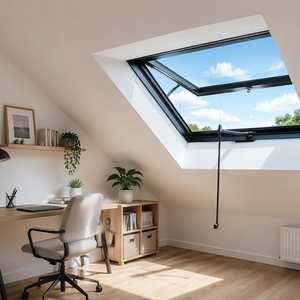
Manual Pitched Roof Skylight | Top-Hung Attic Window | Thermal Break Aluminum Frame | Double Glazed Low-E Glass
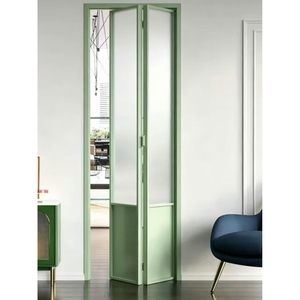
Professional Chinese Manufacture High Quality Aluminum Folding Patio Glass Bi-Fold Doors for Hotel Villa Bathroom
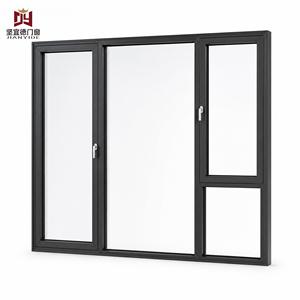
Aluminium Tilt and Turn Casement Windows with Insect Screen for European Residential Projects Custom Size OEM ODM CE Certified
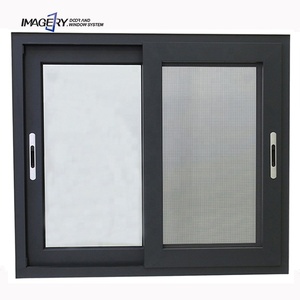
Imagery Powder Coated Black Tempered Glass Aluminum Sliding Bay Window Sets for Home Use
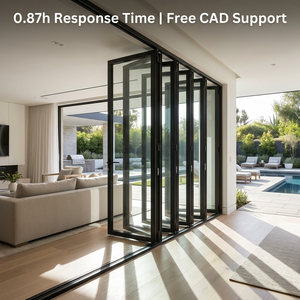
Hurricane Proof Coastal Aluminum Glass Folding Doors Free Drawing Support
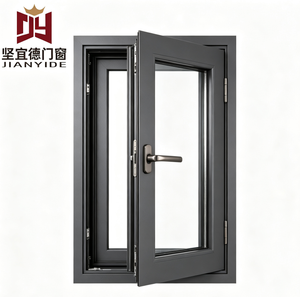
CE Certified Aluminium Casement Window With Low-E Double Glazing For European Homes OEM Custom Size, Wind And Water Resistant
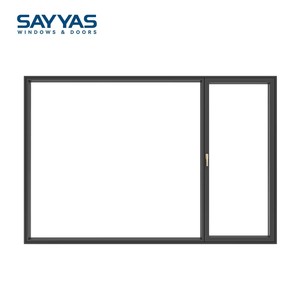
SAYYAS Windows Luxury Aluminum-clad Heat Insulation Triple Glazed Soundproof Casement UPVC Windows Manufacturer China
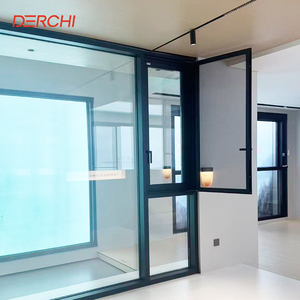
Minimalism Series Window Ultra Double Glass Aluminum Alloy Line Fixed Slimline Window Slim Profile Aluminium Casement Windows
Engineering Architecture of High-Performance Aluminium Net Sliding Doors
Modern architectural fenestration demands the simultaneous delivery of open panoramas, superior natural ventilation, forced-entry resistance, and stringent thermal insulation. An aluminium net sliding door combines structural aluminium sash profiles with high-tensile security netting to form an uncompromised building barrier.
Primary Alloy Metallurgy: 6063-T6 vs. 6060-T66
The structural spine of any premium net sliding door lies in the alloy temper and wall thickness of its primary extrusion. DERCHI utilizes primary-grade billet aluminium alloyed strictly to 6063-T6 composition, delivering a minimum tensile strength of 205 MPa and yield strength of 170 MPa.
- Extrusion nominal wall thickness: 2.0mm to 3.2mm on load tracks.
- Polyamide PA66 GF25 thermal barrier inserts prevent thermal bridging.
- High inertia moments (Ixx/Iyy) withstand high negative wind suction.
High-Tensile Security Net: 304/316 King Kong Mesh
Unlike standard insect screens that degrade under UV or tear under low mechanical shear, industrial security net doors incorporate woven 0.8mm to 1.0mm marine-grade AISI 316 or AISI 304 austenitic stainless steel wire mesh, subjected to automated pre-crimping and electrostatic powder spraying.
- Exceeds knife shear test AS 5041 and dynamic impact standards.
- AkzoNobel architectural fluorocarbon coating blocks salt spray pitting.
- Patented mechanical interlocking wedges prevent netting pullout.
Kinematic Multi-Track & Roller Engineering
Fluid actuation of heavy sliding panels (weighing upwards of 350 kg per sash when integrated with double glazing and steel mesh) requires ultra-low-friction kinematic roller carriages running along elevated 316 stainless steel tracks.
- CNC-milled dual tandem rollers with sealed needle bearings.
- Integrated multi-point mushroom-head locking sets resist prying.
- Hidden sub-sill drainage channels evacuate water at >350 Pa pressure.
| Performance Parameter | Commercial Grade (DERCHI Pro) | Coastal & Cyclone Spec (DERCHI Max) | Standard Market Alternative |
|---|---|---|---|
| Aluminium Alloy & Temper | 6063-T6 Architectural Precision | 6063-T6 Reinforced Profile | Recycled / Low-spec 6063-T5 |
| Integrated Netting Spec | 0.8mm AISI 304 High-Tensile Screen | 0.9mm - 1.0mm AISI 316 Marine Mesh | 0.5mm Fiberglass or Standard Wire |
| Wind Pressure Rating (AS 2047) | Serviceability: 2500 Pa / Ultimate: 4000 Pa | N6 Cyclonic / Ultimate > 5000 Pa | Standard N2 / N3 (< 1500 Pa) |
| Water Penetration Resistance | 450 Pa Static Water Head | 600 Pa - 750 Pa Dynamic Pressure | 150 Pa - 200 Pa Basic Threshold |
| Acoustic Attenuation (Rw) | Rw 35 dB (with IGU configuration) | Rw 42 dB (Acoustic Laminated + IGU) | Rw 25 dB - 28 dB Single Paned |
| Surface Corrosion Class | AAMA 2604 Powder Coating (15 Yrs) | AAMA 2605 / Qualicoat Class 3 PVDF | Standard Decorative Spray (< 5 Yrs) |
180,000 m²
Production Infrastructure
25+ Years
Fenestration Mastery
600+ Staff
Engineers & Technicians
100+ Honors
Patents & CE/AS Certifications
Emerging Procurement Trends in Architectural Net Sliding Doors
As commercial developers, builders, and international window fabricators navigate tightened building codes and evolving homeowner demands, strategic sourcing from Tier-1 Chinese manufacturers has shifted dramatically. Here are the core forces dictating specifications for 2026-2030 projects.
1. Whole-Envelope Carbon Compliance & Low Embodied Carbon
Global regulatory frameworks such as the EU's CBAM (Carbon Border Adjustment Mechanism) and Australia's updated NCC (National Construction Code) require precise Environmental Product Declarations (EPDs). Leading procurers now favor factories utilizing hydroelectricity-refined aluminium ingots, reducing the carbon footprint from 16 kg CO2e/kg Al to below 4.5 kg CO2e/kg Al.
2. Zero-Threshold, Barrier-Free Ingress Architecture
Architects are eliminating the disruptive stepped sill. The newest procurement schedules mandate sub-floor, fully recessed drainage sills with stainless steel slot grates. This allows the sliding glass panel and integrated King Kong mesh screen to travel along flush floor finishes without admitting driven rainwater during storm events.
3. Pre-Fabricated "Triple-Track, Glazed-In" Modularity
On-site labour costs in Australia, Europe, and North America have climbed over 35%. Specifiers now procure fully unitized 3-track systems (Glass Sash + Glass Sash + Diamond Security Mesh) delivered pre-assembled with factory-crimped corner cleats, dramatically compressing crane and installation timelines.
Product Development & Technological Evolution
Fenestration design is moving away from clunky security grilles toward integrated architectural elements that harmonize thermal dynamics with smart living paradigms.
Concealed Motorization & Building Automation Integration
Modern sashes incorporate micro-brushless DC motors hidden completely within the top header frame. These actuators connect to BACnet, KNX, or Zigbee smart protocols, allowing automated opening of the primary glass panel while locking the stainless steel mesh sash in place for continuous secure nighttime ventilation.
High-Transparency Nanotech Wire Weaving
Traditional 0.8mm mesh exhibits roughly 58% visual openness. Second-generation R&D at DERCHI leverages micro-alloyed martensitic-austenitic hybrid stainless steel wires. This enables a 0.65mm wire diameter to equal the impact threshold of conventional 0.8mm wire while raising natural light transmittance to over 72%.
Severe Marine Multi-Layered Anodizing & Fluorocarbon Barrier
For beachfront developments exposed to high humidity and continuous sodium chloride aerosols, standard powder paints suffer micro-cracking and filiform corrosion within 36 months. Our new hybrid process applies a 25-micron anodic oxide base sealed with an automated PVDF topcoat, yielding 4,000+ hours in ASTM B117 salt spray tests.
Why Global Importers & Contractors Partner with DERCHI
Operating from our 180,000 square meter intelligent manufacturing hub in Foshan, Guangdong, Dejiyoupin Doors and Windows Co., Ltd. (DERCHI) represents the pinnacle of Chinese fenestration engineering, recognized among the national Top 10 architectural door and window enterprises.
Full-Chain Vertical Integration
We eliminate subcontractor markups and quality variances. From raw billet alloy extrusion and precision die tooling to in-house powder coating, thermal break assembly, glass tempering, and CNC robotic machining, every single process remains under direct internal ISO 9001 supervision.
Certified Compliance: AS 2047, CE, & ISO
Our aluminium sliding and security screen assemblies have undergone physical structural load, air infiltration, and water penetration evaluations under AS 2047, reaching the N6 cyclonic threshold. Projects destined for Europe receive full CE certification under EN 14351-1.
Export-Grade Fumigated Protective Crating
Cross-ocean freight introduces heavy vibration, moisture shifts, and handling impacts. Every DERCHI door is sealed in anti-scratch PE film, corner-guarded with EPE foam, and encased within steel-banded, non-coniferous OSB crates ready for customs and biosecurity clearance.
Frequently Asked Questions on Sourcing Aluminium Net Sliding Doors
In-depth technical answers addressing testing, alloy durability, hardware longevity, logistics, and compliance for international procurement managers.
What is the specific structural difference between standard sliding doors and net sliding doors?
An aluminium net sliding door features a multi-channel track design (typically 3-track or 4-track) specifically calibrated to support both heavy glazed glass sashes and independent, high-tension woven steel mesh sashes within the same frame perimeter. This requires reinforced track profiles (minimum 2.0mm wall thickness) to prevent frame deflection when both glass and mesh panels are simultaneously shifted.
How does DERCHI secure the stainless steel mesh into the aluminium sash frame?
We do not rely on simple screw fastenings or glued retaining strips. DERCHI utilizes an internal continuous mechanical wedge-locking clamping system. The 304 or 316 stainless steel mesh is folded at a 90-degree angle along its perimeter and held captive inside an internal aluminium channel with continuous high-torque clamping plates, preventing pull-out during dynamic impact attacks.
Can your aluminium sliding systems achieve compliance with Australian Standard AS 2047?
Yes. Our sliding door profiles have been tested under rigorous laboratory conditions simulating the N6 cyclonic wind classification. This covers structural deflection, positive and negative ultimate limit state wind pressure (exceeding 4000 Pa), water penetration resistance up to 450 Pa, and air leakage thresholds conforming to the National Construction Code (NCC).
What stainless steel grade should be specified for coastal projects?
For installations within 5 kilometers of a marine coastline or saltwater lagoon, we strictly recommend specifying AISI 316 marine-grade stainless steel mesh (with 2% to 3% molybdenum content) coated with AkzoNobel Interpon architectural powder. For inland projects, AISI 304 mesh provides exceptional tensile impact resistance at a lower bill-of-materials cost.
How do you address galvanic corrosion between aluminium frames and steel mesh?
Direct metallic contact between stainless steel and aluminium in the presence of an electrolyte causes rapid galvanic degradation. DERCHI eliminates this risk by insulating the mesh perimeter with UV-stabilized PVC/EPDM isolation gaskets and non-conductive powder barriers, ensuring zero metal-to-metal continuity between the wire mesh and extrusion.
What is the typical production lead time for full-container-load (FCL) orders?
Standard custom architectural orders require 25 to 35 calendar days from sign-off of shop drawings and confirmation of color swatches. This timeline incorporates profile extrusion, automated surface coating, double-glazing lamination, thermal strip crimping, mesh stretching, pre-assembly testing, and export crating.
Do you provide structural shop drawings and BIM models for architects?
Yes. Our in-house engineering team provides complete technical submittals, including full DWG cross-sections, anchorage interface details, static wind load calculations, glass thickness recommendations, and Revit BIM families to simplify integration into your architectural documentation.
Can smart-access locking mechanisms be integrated into the sliding net panels?
Yes. We offer motorized and manual multi-point hook locks compatible with biometric fingerprint sensors, digital pinpads, RFID cards, and dry-contact building automation systems, allowing keyless access while maintaining multi-point security integrity.
How is water managed in multi-track sliding configurations during heavy squalls?
Multi-track systems (e.g., glass panel + glass panel + net sash) utilize a cascading pressure-equalized sill design. Each track is stepped at different elevations with unidirectional flap valves that prevent wind-driven back-surge while funneling water into high-volume sub-sill drainage troughs.
What quality verification steps can international buyers expect prior to shipment?
DERCHI implements a documented 4-stage quality gate: 1) Spectrometer verification of alloy billet purity; 2) Dry film thickness (DFT) and cross-hatch adhesion testing on coatings; 3) 100% pre-assembly of frames for diagonal squareness check; and 4) Live operational testing of rollers and locks with full photographic and video inspection records delivered prior to final payment.
Empower Your Next Architectural Project with DERCHI Systems
Whether you require complete window schedules priced for multi-family residential towers or custom-engineered hurricane-rated sliding systems for coastal villas, our technical engineering desk in Foshan is ready to assist.