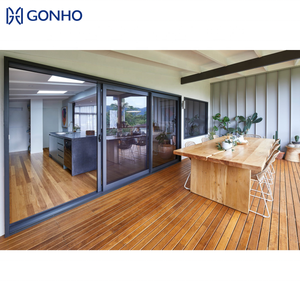
 Four-Track Heavy Duty
Export Solutions
High-Performance Architectural Fenestration Systems
Direct from Foshan's premier manufacturing base: engineered pivot doors, panoramic multi-track sliding panels, thermal-break accordion systems, and commercial perimeter glazed facades.
Four-Track Heavy Duty
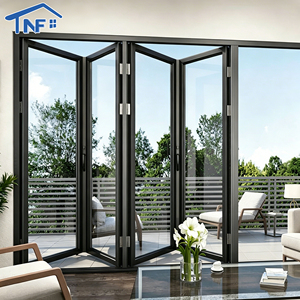 Weather-Sealed Folding
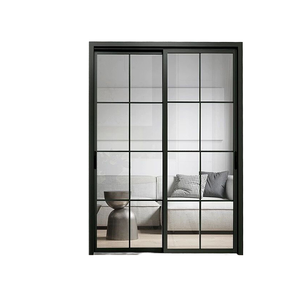 Commercial & Residential
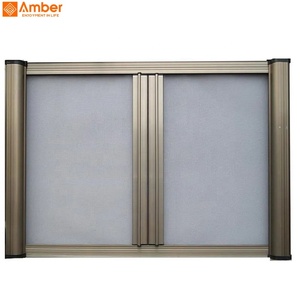 Marine-Grade Mesh
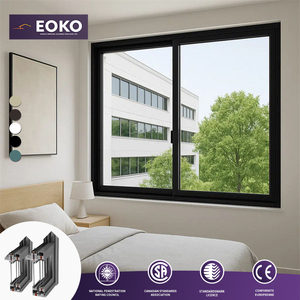 Thermal Break System
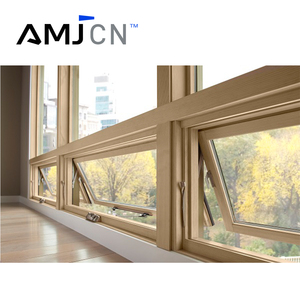 Engineered Skylight
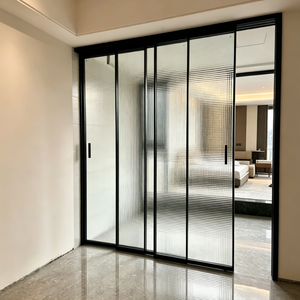 Interior Minimalist
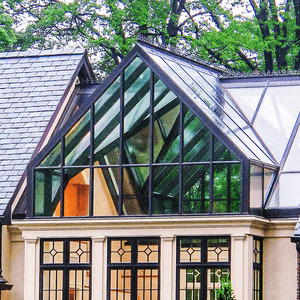 Dormer Systems
Manufacturing Excellence
DERCHI Industrial Strength: Direct Factory Engineering Power
Recognized among China's top tier fenestration manufacturers, Guangdong Dejiyoupin Doors and Windows Co., Ltd. (DERCHI) operates from Foshan, Guangdong—the worldwide epicenter of precision aluminum extrusion. With more than 25 years of specialized manufacturing experience, we operate integrated extrusion, surface fluorocarbon powder-coating, thermal barrier assembly, and digital CNC processing across an immense 180,000 m² infrastructure.
For global architects, contractors, and building material distributors across Australia, New Zealand, North America, and Europe, DERCHI eliminates intermediary markups and fabrication inconsistencies. Our factory-controlled supply chain brings strict AS 2047, CE, and ISO 9001 compliance directly to your job site, backed by verified mechanical testing and parametric CAD/BIM drawing approval.

180,000
m² Production Base
25+
Years Industry Authority
600+
Master Technicians & Engineers
100+
Global Patents & Certifications
AS 2047 & N6 Wind Rating Certified
Certified structural testing proving our pivot door systems withstand extreme cyclonic positive/negative wind pressures, air infiltration, and severe water head pressures. Tailored for coastal Australia, Pacific islands, and hurricane zones.
Precision Heavy-Duty Floor Closers
Equipped with commercial-grade bottom pivot floor springs (Dorma, FritsJurgens, or DERCHI Proprietary Hydraulic Units) supporting monolithic panel weights up to 800 kg (1,760 lbs) with adjustable 90° hold-open, auto soft-close, and wind brake valves.
Dedicated Engineering & Global Support
Free shop drawings, elevation CAD files, and BIM models customized to your door schedule within 24 hours. English-speaking structural facade engineers align with AEST, NZST, and EST time zones for prompt technical reviews.
Strategic Industry Analysis
The Evolution of Architectural Aluminum Pivot Doors
A comprehensive procurement guide for commercial developers, general contractors, and structural specifiers navigating thermal codes, smart building automation, and supply chain direct-sourcing.
1. The Transition from Standard Hinged Portals to Monumental Pivot Geometry
In contemporary luxury residential and commercial architecture, traditional butt-hinged entrance doors face intrinsic physical constraints. As architects specify door heights exceeding 3,000 mm (10 ft) and widths past 1,800 mm (6 ft), cantilevered hinge loads create substantial shear forces that induce sash sagging, air seal failure, and frame deflection over time. High-performance aluminum pivot doors mitigate this structural issue by redirecting the panel's dead load entirely downward into a heavy-duty concealed floor spindle or structural subfloor recess.
Modern Chinese extrusion manufacturing has elevated this category by deploying 6063-T6 and 6061-T6 aviation-grade aluminum profiles featuring ultra-thick wall extrusions (up to 3.0 mm - 4.0 mm). This structural integrity prevents door warp across intense temperature gradients—an imperative factor when high-performance carbon-black powder coatings or dark fluorocarbon finishes are exposed to direct, sustained UV radiation.
2. Thermal Barrier Technology & Low-E Acoustic Double/Triple Glazing
Historically, oversized aluminum pivot doors suffered from high thermal transmittance (U-values). Leading Chinese exporters have resolved this through advanced polyamide (PA66 GF25) thermal breaks integrated directly into the door sash and perimeter sub-frames. When paired with warm-edge spacer IGUs (Insulated Glass Units), gas argon filling, and dual-layer soft-coat Low-E glass, modern pivot systems achieve whole-assembly thermal values of U ≤ 1.4 W/m²·K (SHGC down to 0.22), fully satisfying strict energy codes such as the Australian NCC (National Construction Code), Title 24 California, and European EnEV standards.
3. Future Procurement Trends: Smart Automation, Biometrics, and Carbon-Neutral Aluminum
B2B procurement teams are prioritizing forward-compatible doors. Three key technological integrations define this transition:
- Integrated Multi-Point Electronic Mortise Locks: Seamless hardware integration with motorized multi-point latches (dormakaba, GU, or DERCHI multi-axis locking) coupled with concealed motorized power transfers (loop wire hinges). Features include 3D facial recognition, biometric fingerprint scanning, and Tuya/Zigbee smart building automation.
- Zero-Threshold Barrier-Free Drainage: The adoption of magnetic drop-down drop-seals and subterranean drainage channels that provide continuous ADA compliance and step-free transitions without compromising AS 2047 300 Pa - 450 Pa water penetration resistance.
- Low-Carbon Green Extrusions: Increasing international tender mandates demand Environmental Product Declarations (EPDs). Chinese manufacturers leveraging hydro-powered aluminum smelting are achieving lower embodied carbon footprints across monumental curtain wall and pivot assemblies.
Fenestration System Engineering Matrix
| Engineering Attribute | DERCHI Monumental Pivot System | Standard Commercial Hinged Door | Conventional Sliding Door |
|---|---|---|---|
| Max Opening Dimension | Up to 3,500 mm (W) × 6,000 mm (H) | Up to 1,200 mm (W) × 2,400 mm (H) | Multi-track spanning wide widths, fixed panels |
| Structural Load Bearing | Concealed Floor Spindle (up to 800 kg) | Edge Frame Hinges (limited to 150 kg) | Bottom Roller Carriage (distributed rails) |
| Wind Load Resistance | AS 2047 N6 Cyclonic Validated (> 4,500 Pa) | Standard Residential (1,200 - 1,800 Pa) | Moderate to High depending on interlockers |
| Aesthetic Visual Impact | Flush, Monumental, Architectural Statement | Standard, visible hardware lines | Visible horizontal/vertical track lines |
| Acoustic Attenuation | Rw / STC up to 42 dB with multi-layer drop seals | Rw / STC 28 - 32 dB typical | Rw / STC 30 - 35 dB (brush seal dependent) |
Procurement Intelligence
Frequently Asked Questions: Sourcing Pivot Doors from China
Critical engineering considerations, shipping procedures, weatherization standards, and import guidelines for international B2B purchasers.
Q: How do you prevent air and water infiltration on large exterior pivot doors?
Exterior pivot doors require precision perimeter seals. We utilize continuous EPDM automotive-grade compression gaskets around the frame combined with heavy-duty automatic mechanical drop-down seals at the head and sill. When the door swings to the closed position, a concealed plunger releases a silicone-finned weather gasket against the sub-sill, achieving rigorous air tightness and preventing driving rain penetration under high wind pressures.
Q: Can DERCHI aluminum pivot doors meet AS 2047 and local building codes?
Yes. Our aluminum systems undergo formal testing to AS 2047, achieving an N6 rating for extreme wind loads, as well as strict water resistance, air infiltration, and operating force standards. We supply comprehensive structural test reports, glass certification (AS/NZS 2208, SGCC, CE), and calculation sheets directly to your local certifier, council, or structural engineer for seamless permit approval.
Q: What floor pivot hardware options are provided for monumental panel weights?
Depending on project requirements and budgets, we integrate world-renowned European systems (such as FritsJurgens System M+ / System One and Dorma BTS80) or DERCHI's proprietary heavy-duty multi-valve floor springs. Our pivot hardware supports door leaves from 200 kg up to 800 kg, featuring adjustable closing speeds, latching speed controls, 360-degree free swing or 90-degree hold-open functions, and dampers.
Q: What is the standard packaging protocol to eliminate transit damage?
Pivot doors, particularly those with oversized architectural glass or custom cast aluminum bas-relief facings, are packaged according to strict overseas standards. Each component is wrapped in protective PE film, corner-guarded with high-density EVA foam, encased in multi-layer bubble wrap, and crated inside fully enclosed, fumigated marine plywood cases reinforced with steel strapping. Cases are balanced for overhead crane and forklift logistics.
Q: What surface finishes are recommended for coastal or harsh UV environments?
For installations within 1 km of saltwater shorelines or regions with intense UV exposure, we recommend Qualicoat Class 2 / Class 3 certified powder coating or high-grade PVDF (fluorocarbon) 3-coat architectural finishes containing minimum 70% Kynar 500 resin. These treatments resist salt-spray corrosion, pitting, fading, and chalking for up to 20 years without degradation.
Q: What is the typical production lead time and CAD approval process?
Upon receipt of your architectural schedule and opening dimensions, our technical engineering team generates comprehensive 1:1 CAD shop drawings showing all section details, sub-frame anchoring, floor closer cutouts, and electrical schematics within 2 business days. Following client sign-off, manufacturing takes approximately 25 to 35 calendar days, followed by pre-shipment factory dry-assembly and live HD video verification.