1 / 5
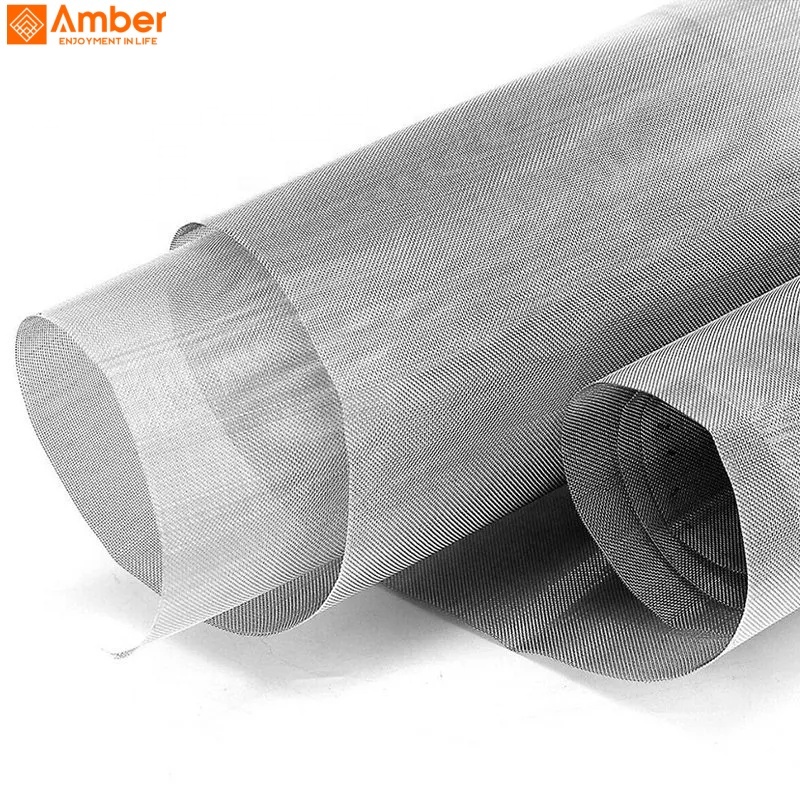
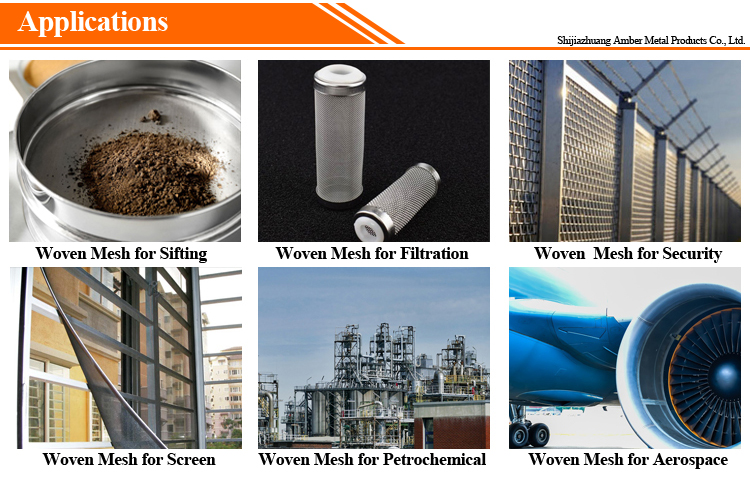
Aluminum woven wire mesh offers an ideal balance of lightweight structure and reliable strength, making it a practical solution for architectural aluminum mesh, woven aluminum wire mesh, and industrial screening applications. Its low density reduces structural load while maintaining good durability for various installations.
Manufactured from high-quality aluminum alloy wire, this aluminum wire mesh provides natural corrosion resistance and oxidation protection. It performs well in humid or outdoor environments without rusting, making it suitable for long-term use in architectural and industrial projects.
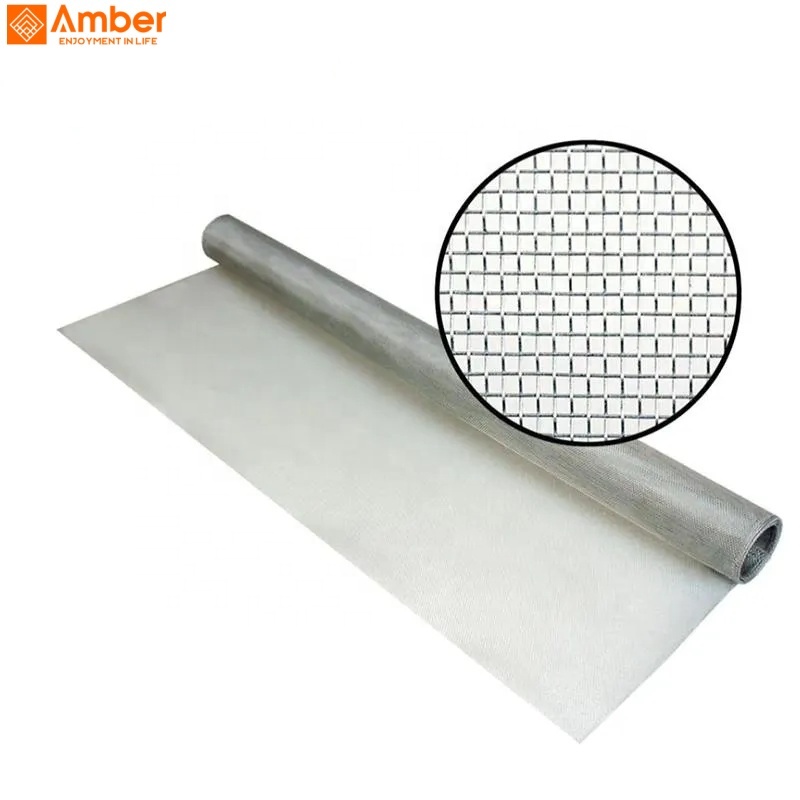
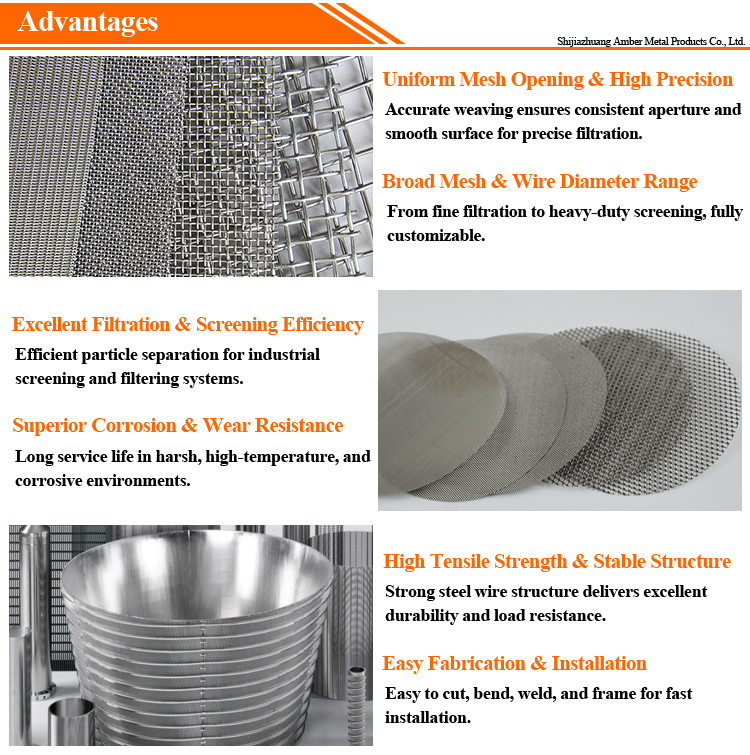
Produced using advanced weaving technology, the woven aluminum mesh features uniform openings and stable mesh geometry. Common specifications include wire diameters from 0.4 mm to 1.2 mm and various mesh counts, ensuring reliable performance in screening, filtration, and protective applications.
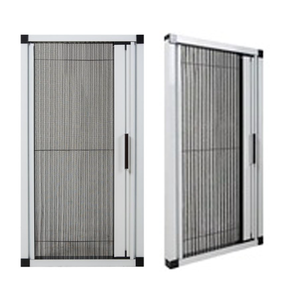
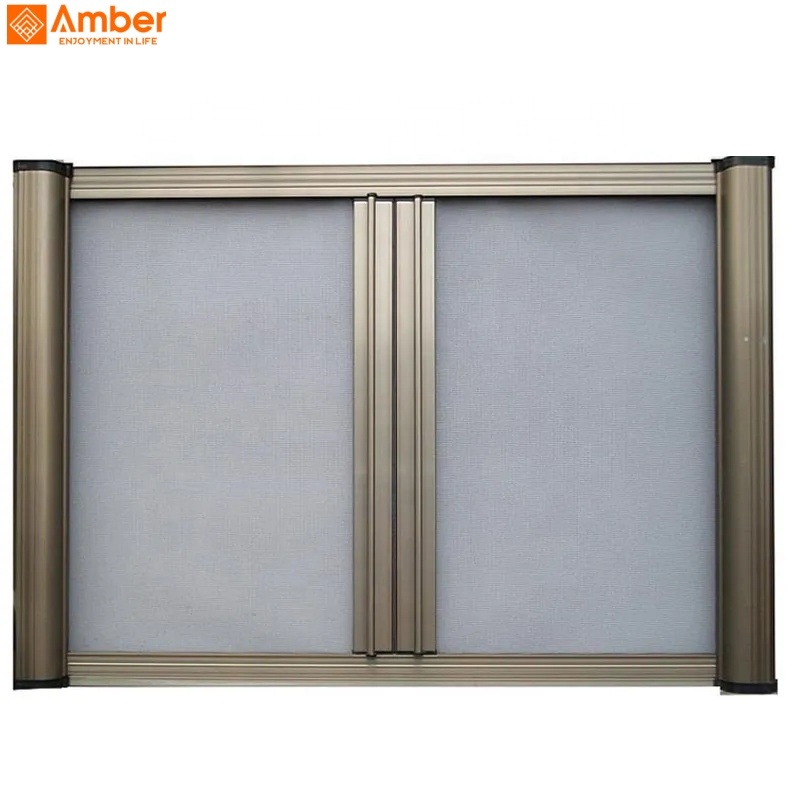
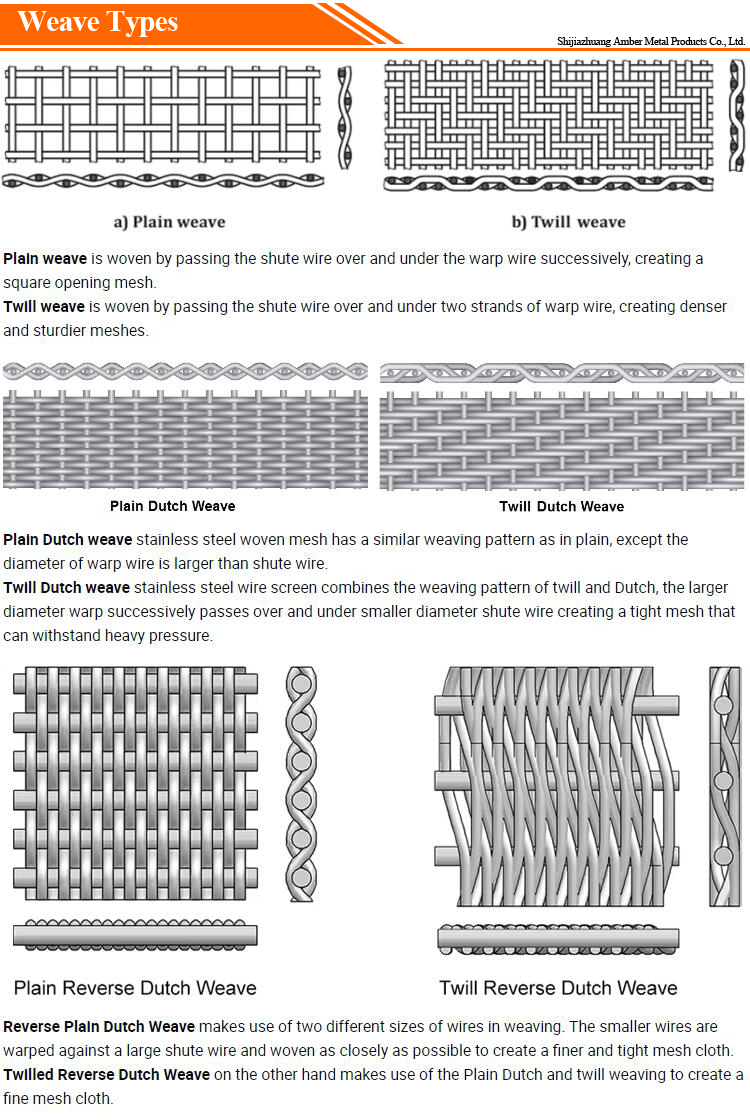
Due to its light weight and modern metallic appearance, aluminum woven wire mesh is widely used in facade cladding, ventilation panels, decorative screens, window protection, insect screens, filtration systems, and machinery guards. The open structure allows airflow and visibility while maintaining protection.
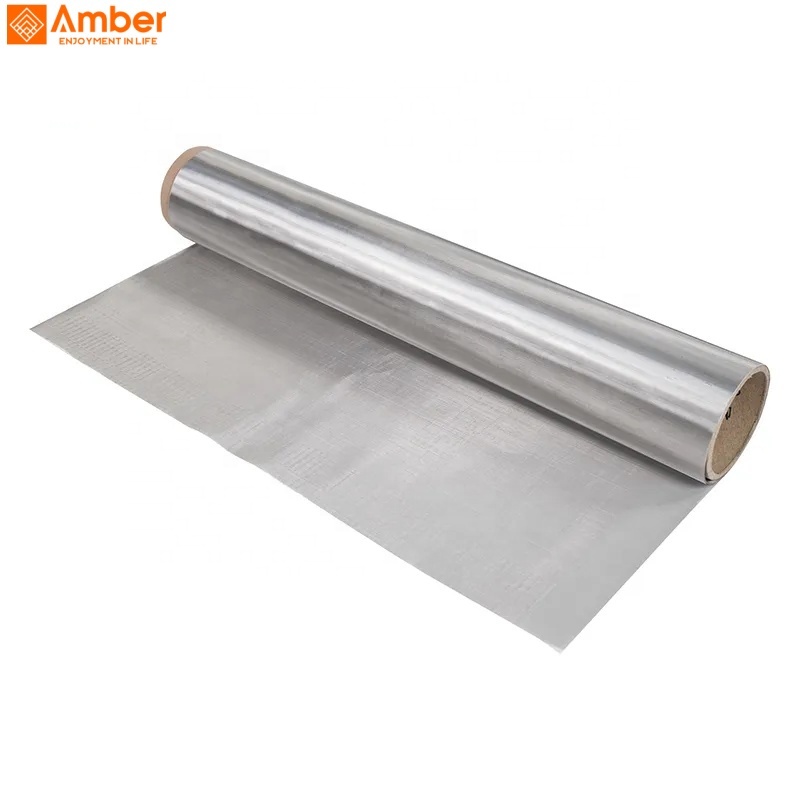
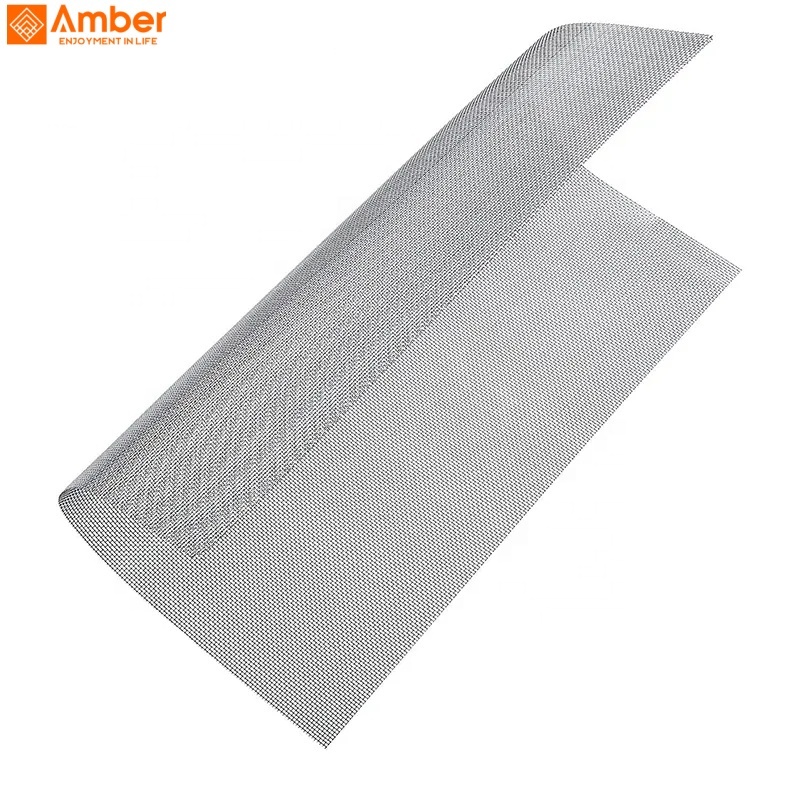
Available in rolls or fabricated panels, the aluminum mesh screen can be customized in mesh size, wire diameter, width, and surface finish. This flexibility makes it a cost-effective and reliable material choice for contractors, manufacturers, and global B2B buyers.
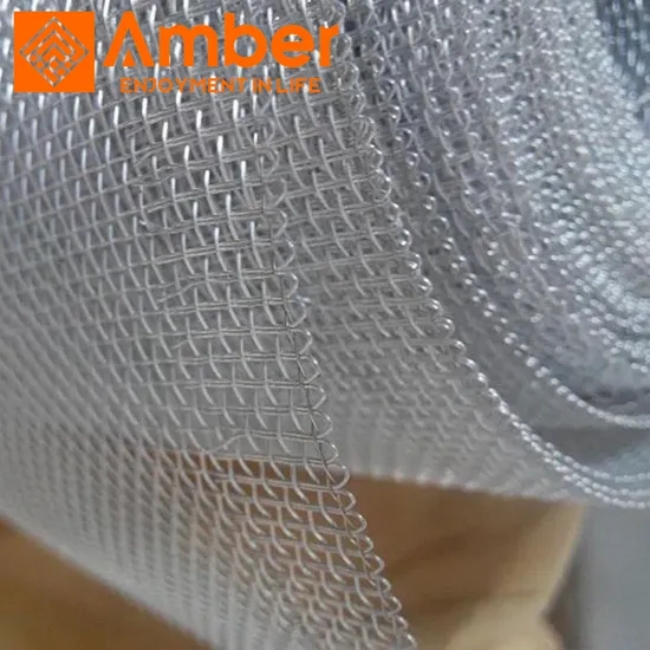
| Material | Aluminum Alloy |
| Woven Style | Plain Weave |
| Mesh | 2-20 mesh |
| Diameter | 0.4-1.2mm |
| Roll Width | 0.6-1.8m |
| Roll Length | 10-100m |
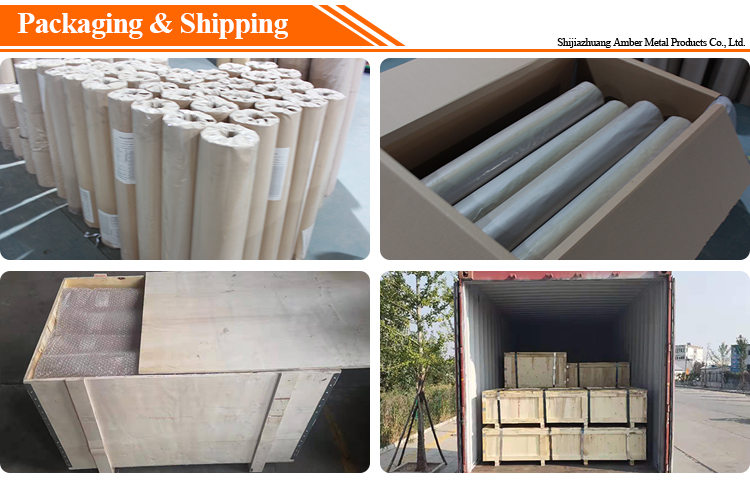
| Packaging Details | inner kraft paper, outside plastic cloth, put into wooden pallet or case |
| Usage | Filters, sieve, decoration and window screen, etc |
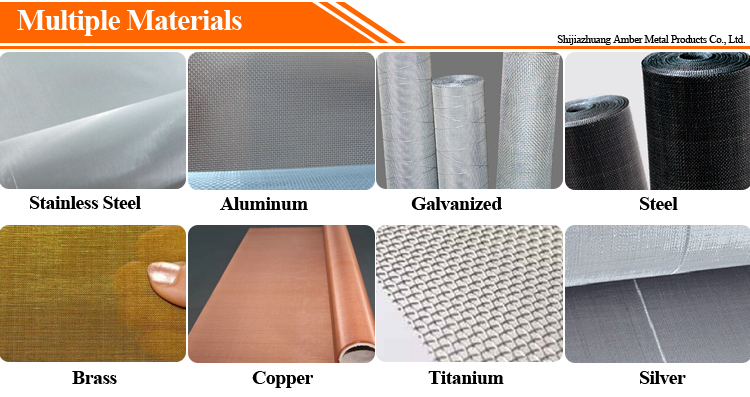
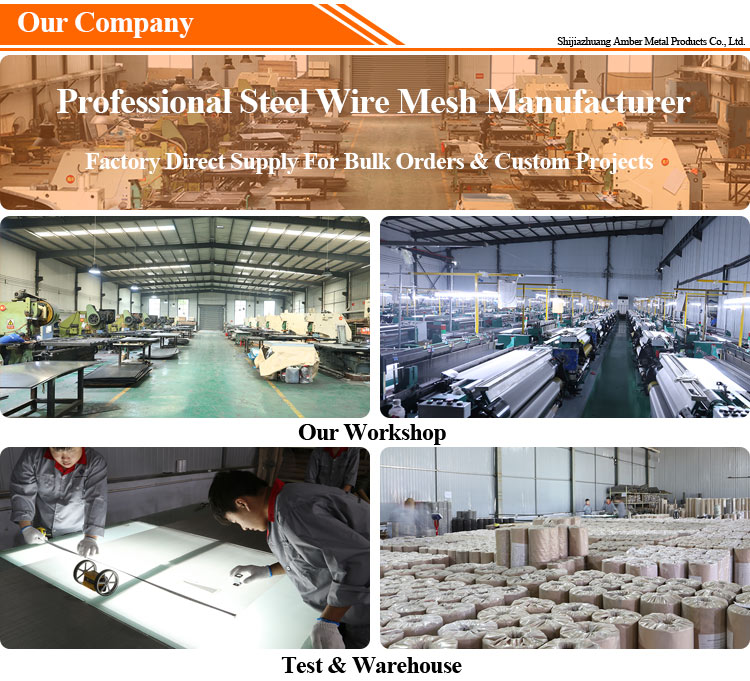
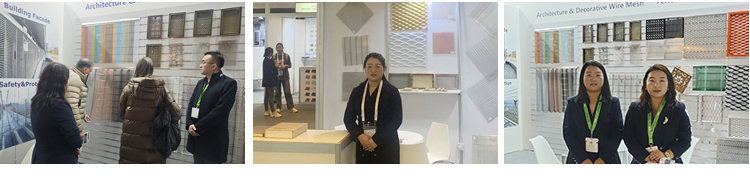
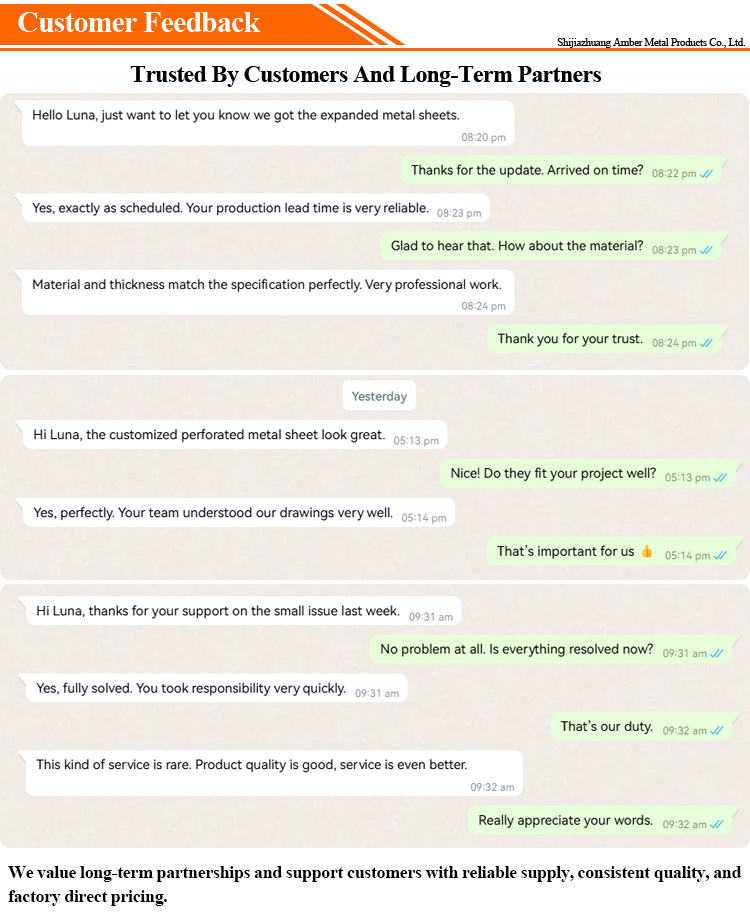
Amber Metal is a professional stainless steel wire mesh supplier, we have more than 20 years of production and sales experience. The company is ISO 9001:2015 certified and currently owns 3 factories, equipped with over 100 sets of sophisticated equipment for the production and inspection of various wire meshes. We provide various styles of metal mesh, including woven mesh, woven drapery, crimped woven mesh, fireplace mesh curtains, laminated glass metal mesh, architectural spiral wire, architectural rope mesh, perforated metal, expanded metal, metal curtains, etc. Materials include stainless steel 304, 316, aluminum alloy, brass, bronze, copper, galvanized steel, titanium, nickel and other alloy materials. At the same time, we also keep a large amount of metal mesh product inventory to meet customers mass demand and ensure timely delivery of products for customers.
Aluminum woven wire mesh is a metal mesh produced by interweaving aluminum wires in different patterns. It is lightweight, corrosion-resistant, and easy to process. Due to its excellent strength-to-weight ratio, it is widely used in filtration, ventilation, architectural decoration, and industrial protection applications.
Aluminum woven mesh offers several advantages including lightweight structure, good corrosion resistance, excellent ventilation, and easy fabrication. It is also non-magnetic and has good conductivity, making it suitable for industrial and architectural applications.
Aluminum woven wire mesh is commonly used for window screens, air ventilation panels, filtration systems, insect screens, decorative panels, and protective barriers. It is widely applied in residential buildings, industrial facilities, and architectural projects.
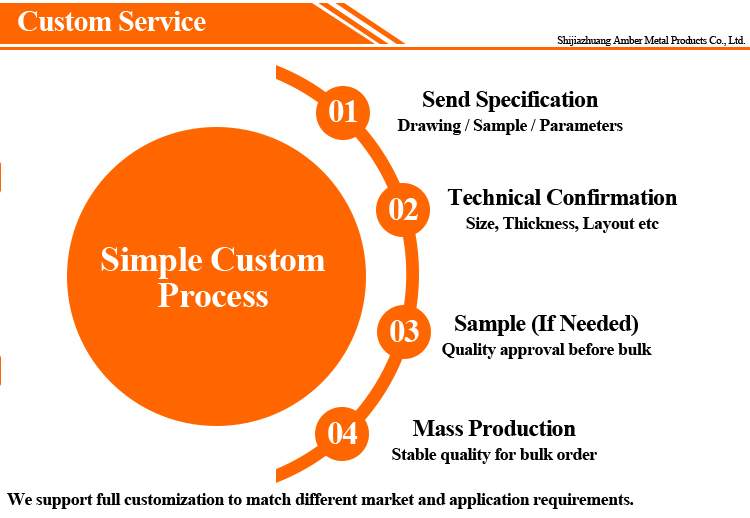
Yes. We offer a wide range of mesh openings, wire diameters, and weaving patterns. The mesh can be produced in rolls or sheets according to your specifications. Custom sizes and special requirements can also be manufactured based on drawings.
Yes. Aluminum naturally forms a protective oxide layer, which provides good corrosion resistance in outdoor environments. It performs well in humid conditions and is suitable for exterior applications such as ventilation panels and architectural decoration.
The mesh is usually packed with waterproof paper and protective film, then placed in cartons or on wooden pallets. This export-grade packaging protects the mesh from deformation or damage during long-distance transportation.