Engineered Architectural Solutions for Ghanaian Residential & Commercial Projects
Discover our primary product exports engineered to withstand extreme tropical humidity, monsoon precipitation, subterranean hydrostatic pressure, and seasonal Harmattan winds across West Africa.
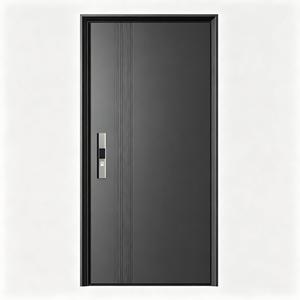 PVDF Coastal Spec
Thermal Break Aluminum Single Swing Entry Door Frosted Glass Multi-Point Lock PVDF Coating Security Apartment Villa OEM Custom
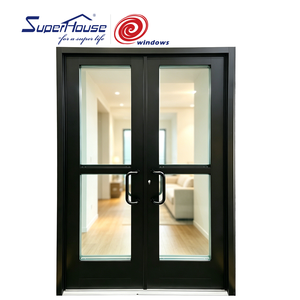 NFRC Certified
Superhouse NFRC Commercial Entry Door Front Door Aluminum Double Glass French Entry Door
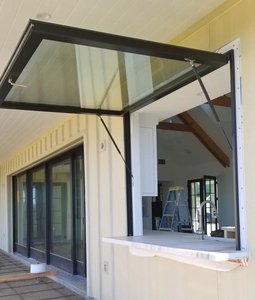 Basement Daylight
Sunnysky Modern Commercial Use Good Lighting Super Narrow Frame Aluminium Window Flip Out Window
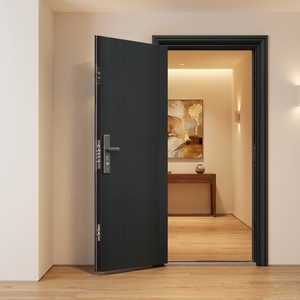 30/60 Min Fire Rated
High Quality Fire Rated Aluminum Alloy Door Modern Security Entrance 30/60 Minutes Fire Rated Interior Commercial Use Fire Door
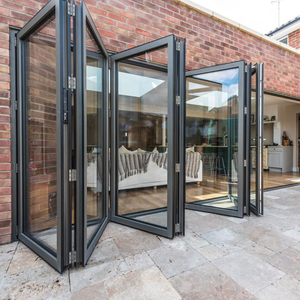 Low-E Double Glazed
Modern Aluminum Alloy Bi-Fold Patio Doors Thermal Break Double Glazed Low-E Glass Energy Efficient Screen Customized
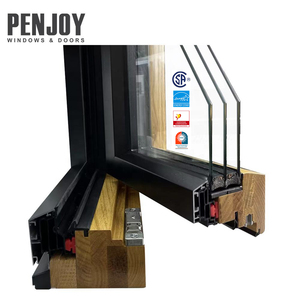 Acoustic & Thermal
Penjoy Canada Standard Passive House Wood windows Customized Alu-wood Triple Glazed windows
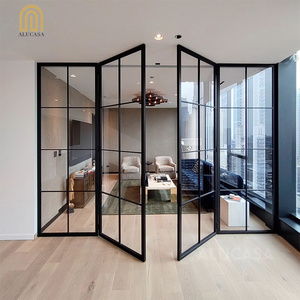 Architectural Partition
European Standard Iron Doors Interior Steel Framed Glass Doors Crittall Style French Doors
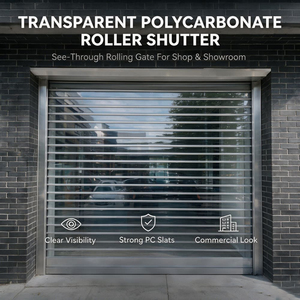 Heavy Duty Rolling
Heavy Duty Industrial Grade Aluminum Rolling Steel Door for Commercial Building Security and Factory Warehouse Protection
Structural Dynamics & Climatic Challenges of Sub-Grade Fenestration in Ghana
Basement and subterranean window installations in Ghana represent one of the most critical structural and environmental interfaces in modern tropical construction. From the saline marine boundary layer along the Gulf of Guinea to torrential equatorial deluges and seasonal dust invasions, fenestration systems must satisfy rigorous engineering standards.
The Hydrological & Atmospheric Imperatives of Sub-Grade Openings
Unlike standard elevated fenestration, basement windows operate under severe environmental constraints. In low-elevation coastal zones such as Accra's South La, Osu, and Tema, as well as alluvial soil regions across Kumasi, groundwater tables fluctuate violently between dry cycles and peak monsoons. Below-ground and garden-level window wells are frequently subjected to transient hydrostatic water pooling, requiring hydrostatic water tightness far exceeding ordinary building envelope requirements.
Furthermore, standard galvanized iron or mild steel windows traditionally used in Ghanaian residential structures fail rapidly due to galvanic corrosion and red rust caused by high ambient relative humidity (regularly exceeding 85% RH) coupled with sea-salt aerosols. Our engineered aluminum basement fenestration systems utilize virgin architectural 6063-T5 aluminum extrusions fortified with a minimum 60-80 micron electrostatically applied polyester powder coating or marine-grade 25-micron fluorocarbon PVDF finishing, guaranteeing uncompromised structural integrity for decades without oxidation.

Monsoon Water-Tightness & Drainage Engineering
Equatorial rainstorms in Accra and Takoradi produce short-duration, high-intensity runoff that easily overflows poorly designed lightwells. Our basement systems incorporate tiered internal weep-hole baffles with gravity check-valves and multi-chambered sill extrusions that evacuate moisture at 120 liters/minute while preventing exterior back-siphonage during flash floods.
Hermetic Harmattan Dust & Micro-Particle Sealing
From December through February, the north-easterly Harmattan trade wind carries abrasive Sahara silica dust particles (PM2.5 and PM10) across Ghana. Our basement windows utilize triple continuous vulcanized EPDM compression perimeter gaskets, achieving Grade 8 airtightness (air permeability ≤ 0.5 m³/(m·h)) to preserve subterranean indoor air quality and protect HVAC assets.
Sub-Ground Physical Security & Anti-Intrusion Architecture
Ground-level and basement apertures represent the primary vulnerability for residential and commercial break-ins in urban centers. We integrate multi-point mushroom cam locking systems, internal anti-jemmy security pins, and 6.38mm-12.76mm PVB acoustic laminated safety glass, eliminating the unsightly aesthetic of traditional iron burglar bars while exceeding RC2/RC3 forced-entry standards.
Localized Application Scenarios in the Ghanaian Real Estate Landscape
From high-density luxury residential enclaves in Greater Accra to commercial cold storage in Tema Harbor and hospitality facilities in Kumasi, our aluminum window series are optimized for distinct functional demands.
Accra Prime Enclaves (Cantonments, Airport Residential, East Legon)
High-end residential villas and multi-unit luxury duplexes frequently feature sunken basements designed for private wellness gyms, home cinemas, and wine cellars. These installations require exceptional acoustic buffering from urban traffic and continuous low-E double-glazing thermal insulation to reduce AC power consumption under intense tropical solar loads.
- 38dB STC Sound Transmission Loss
- Dual-Pane Argon-Filled Low-E Glazing
- Concealed Tilt & Turn Subterranean Openers
Tema Heavy Industrial Area & Takoradi Port Free Zones
Basement storage rooms, electronic data centers, and maritime operations hubs in Ghana's coastal port zones operate in severe C4 to C5 marine corrosive environments. Our aluminum windows and heavy rolling doors withstand chronic airborne sodium chloride crystallization, sulfur emissions, and high-velocity salt fog without blistering or structural degradation.
- Marine-Grade PVDF Finish (3000-hr Salt Spray Tested)
- 316-Grade Marine Stainless Steel Hardware
- Certified Watertight Pressure Thresholds
Kumasi Commercial Centers & Financial District Underground Parking
Ashanti Region commercial complexes and financial bank headquarters incorporate subterranean multi-deck parking and lower-level utility corridors. These zones require mandatory 30- to 60-minute fire-rated emergency exit fenestrations, robust smoke-exhaust vents, and heavy-duty intruder protection complying with the Ghana National Fire Service (GNFS) guidelines.
- 30/60 Minutes UL Fire-Rated Glazing Options
- Auto-Actuated Pneumatic Smoke Egress Integration
- Heavy-Duty Anti-Crush Perimeter Frames
DERCHI Architectural Aluminum vs. Traditional Local Fenestration Solutions
Examine how factory-controlled Chinese precision manufacturing compares to local artisanal steel fabrication and generic imported unplasticized PVC (uPVC) in the West African climate.
| Performance Metrics | DERCHI Engineered 6063-T5 Aluminum | Site-Welded Mild Steel / Iron Grille Windows | Generic Non-Tropicalized uPVC |
|---|---|---|---|
| Coastal Corrosion & Salt Mist Resistance | Class Superior: 25µm PVDF or Anodized finish; zero oxidization in C4/C5 marine zones for 25+ years. | Critical Failure: Oxidation and red rust within 6-12 months; requires annual stripping and repainting. | Moderate: Susceptible to chalking, surface embrittlement, and discoloration from intense UV-B radiation. |
| Monsoon Water Infiltration & Drainage | 450 Pa Test Rating: Multi-stage pressure equalized cavities with non-return gravity weep valves. | Zero Engineering: Gap-welded frames with poor or absent perimeter rubber seals; chronic water leakage. | Variable (150-250 Pa): Frame thermal deflection frequently breaks perimeter seal integrity over time. |
| Structural Rigidity & Sub-Grade Load Bearing | Tensile Yield ≥ 160 MPa: Wall thickness up to 2.0mm - 3.0mm; resists retaining wall structural creep. | Rigid initially, but welding points corrode rapidly, causing frame warping and jammed sash operation. | Low Modulus: Deforms under basement soil pressure; steel stiffeners often corrode inside hollow chambers. |
| Air Infiltration & Harmattan Dust Prevention | Hermetic ≤ 0.5 m³/(m·h): Continuous multi-layer co-extruded EPDM gaskets prevent dust filtration. | Poor: > 3.0 m³/(m·h); severe dust penetration requiring internal secondary curtains or tape seals. | Moderate: Thermoplastic elastomer (TPE) seals harden and shrink under tropical heat cycles. |
| Integrated Burglar & Intruder Security | RC2 / RC3 Certified: Multi-point steel perimeter locks & laminated safety glass without prison-like bars. | High physical resistance, but aesthetic resembles a penitentiary; bars create severe fire entrapment hazards. | Low to Moderate: Sashes can be pried open with simple hand tools unless bulky exterior grilles are welded. |
Market Growth Drivers & Modern Fenestration Trends in Ghana (2025–2035)
An economic and regulatory transformation is shifting Ghanaian procurement away from low-grade informal construction materials toward certified factory-direct imports.

The Acceleration of Subterranean Commercial & Residential Footprints
With real estate land costs in core Accra locales (such as Osu, Ridge, Cantonments, and Dzorwulu) escalating beyond $1,200 to $2,500 per square meter, architects and property developers are maximizing vertical floor area ratios (FAR) by introducing habitable basements, subterranean retail corridors, and semi-submerged parking plazas. This architectural evolution demands specialized windows capable of converting subterranean volumes into well-lit, fully ventilated, and humidity-controlled habitable environments.
Simultaneously, the implementation of the revised Ghana Building Code (GS 1207:2018) and growing adoption of EDGE (Excellence in Design for Greater Efficiencies) certification by the International Finance Corporation (IFC) across major Accra projects have established rigid energy and thermal performance targets. Thermally broken aluminum basement windows featuring warm-edge spacers and solar-reflective Low-E coatings curtail heat conduction into chilled lower spaces, lowering total building life-cycle cooling energy consumption by up to 28%.
Why Top Ghanaian Contractors & Developers Partner Directly with DERCHI
Headquartered in Foshan, Guangdong—the world's preeminent capital for aluminum architectural hardware—Guangdong Dejiyoupin Doors and Windows Co., Ltd. (DERCHI) combines over a quarter-century of industrial expertise with bespoke export services tailored to West Africa.
180,000 m² Mega Production Base
Our centralized Foshan industrial complex controls every stage of fabrication: precision extrusion, thermal-break assembly, electrostatic powder coating, double/triple glazing lamination, and quality control under one roof.
Complimentary CAD & BIM Engineering
Our dedicated engineering department prepares comprehensive shop drawings, structural wind-load calculations, anchor details, and 3D BIM models tailored precisely to your architectural door and window schedule before production commences.
International Testing & Strict Compliance
DERCHI systems are certified under AS 2047 (achieving N6 cyclonic wind pressure ratings), CE (European Conformity), ISO 9001 quality management, and UL fire ratings—streamlining review and approvals by Ghanaian consulting engineers and local authorities.
Export-Grade Tropical Crating to Tema/Takoradi
Every shipment is packaged in fumigated solid timber crates lined with moisture-absorbing desiccant packs, high-density corner guards, and poly-shrink wraps, ensuring zero condensation, glass scratching, or salt corrosion during marine transit.
Frequently Asked Questions by Ghanaian Developers, Architects & Contractors
Direct, highly specific answers addressing shipping logistics, customs clearance at Port of Tema, Ghana Standards Authority compliance, and installation best practices.
Q How do DERCHI aluminum windows comply with the Ghana Standards Authority (GSA) and the Ghana Building Code?
All DERCHI aluminum fenestration products are manufactured in compliance with international performance standards, notably AS 2047 and CE (EN 14351-1), which exceed the structural and mechanical benchmarks stipulated by the Ghana Standards Authority (GSA) and GS 1207:2018 (Ghana Building Code). When importing, we furnish full traceable laboratory test certificates, mill certificates for 6063-T5 aluminum alloy, and glass safety documentation for seamless submission to the municipal assembly permitting offices (such as AMA or KMA) and third-party QA inspectors.
Q What is the transit lead time from Foshan to the Port of Tema or Port of Takoradi?
Our standard manufacturing lead time ranges between 20 to 30 business days following client CAD shop drawing sign-off and deposit receipt. Maritime container shipping from Shenzhen/Guangzhou ports to the Port of Tema or Port of Takoradi averages 32 to 42 calendar days depending on the shipping line (such as Maersk, MSC, or CMA CGM). For full container loads (20GP or 40HQ), we handle all factory consolidation, customs export documentation, and container seal verifications.
Q How do you prevent subterranean water penetration around window well perimeters in waterlogged soil?
Water intrusion in subterranean windows typically occurs at the junction between the masonry concrete reveal and the window subframe. We supply custom aluminum sub-sills, pre-formed expanding polyurethane joint sealing tapes, and recommend structural neutral silicone sealants. Furthermore, our basement frames feature integrated exterior drip-caps and inward-sloping sills with hidden drainage channels, ensuring all collected rainwater is directed to external perimeter French drains.
Q Are your aluminum finishes resilient against the harsh coastal salt air of Accra and Tema?
Yes. For projects located within 5 kilometers of the Atlantic shoreline (such as Sakumono, Tema Community 1-3, South La, or Labadi), we specifically specify AkzoNobel or PPG architectural fluorocarbon PVDF (polyvinylidene fluoride) coatings applied in three coats with a minimum dry film thickness of 35-40 microns, or Qualanod-certified architectural anodizing (20-25 microns). These finishes successfully pass 3,000 to 4,000 hours of continuous neutral salt spray (NSS) ASTM B117 testing without blistering or corrosion.
Q Can we order mixed containers combining basement windows, entry pivot doors, and garage rolling shutters?
Absolutely. One of DERCHI's primary competitive advantages is our comprehensive product portfolio. You can consolidate your entire fenestration order—including basement windows, high-security thermal break front doors, motorized garage rolling shutters, interior glass partitions, and sliding balcony doors—into a single 40HQ container. This consolidation drastically reduces sea freight overhead, minimizes port clearing agency fees at Tema, and eliminates supplier coordination headaches.
Q What documentation do you supply to facilitate smooth customs clearance through the Integrated Customs Management System (ICUMS)?
We provide full professional trade documentation necessary for immediate ICUMS processing in Ghana, including Commercial Invoices with certified HS Codes (typically 7610.10 for aluminum doors and windows), detailed Packing Lists with individual crate dimensions and gross weights, Clean Ocean Bills of Lading (B/L), Certificates of Origin, and third-party inspection certificates if required for your import financing.
Q How does the multi-point locking mechanism protect against forced entry through low basement window openings?
Subterranean windows are engineered with European-standard circumferential gear mechanisms that engage hardened steel mushroom-head locking cams into heavy-duty zinc-alloy frame keeps at multiple points around the entire sash perimeter. Even if an intruder attempts to jemmy the corner with a pry bar, the mechanical interlock prevents frame displacement. When paired with our 6.38mm or 8.38mm PVB laminated impact glass, the window cannot be smashed open quickly or silently.
Q What technical support and installation guidance do you offer to Ghanaian on-site contractors?
Every fenestration crate is numbered according to your approved architectural schedule and accompanied by step-by-step structural installation manuals and exploded component drawings. In addition, our English-fluent structural engineering team conducts live video technical sessions with your site project engineers and foremen in Ghana to verify rough opening tolerances, structural anchoring techniques, and waterproofing membrane application.
Ready to Engineer Your Next Project with China’s Leading Fenestration Manufacturer?
Send your architectural elevation plans, door & window schedules, or BOQ (Bill of Quantities) to our international project desk. Receive comprehensive CAD shop drawings, performance certifications, and direct factory container pricing delivered to the Ghana market within 24 hours.