Featured Double Glazed Systems for Mumbai Projects
Direct-from-manufacturer architectural fenestration tested for water tightness, acoustic isolation (up to 44 dB), and tropical thermal insulation.
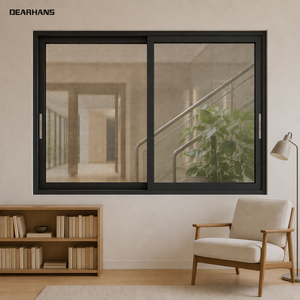
Exterior Aluminum Sliding Window Double Glazing Soundproof Good Air Tightness
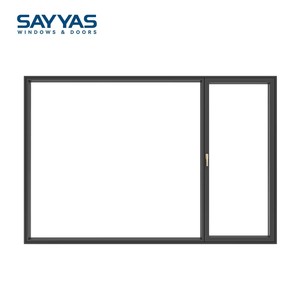
Luxury Aluminum-Clad Soundproof Thermal Insulation Casement Windows
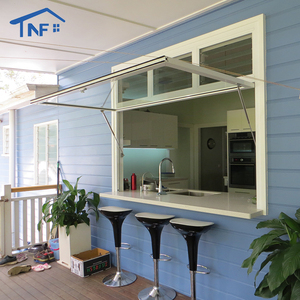
Aluminum Gas Strut Double Glazed Awning Window for Modern Kitchens
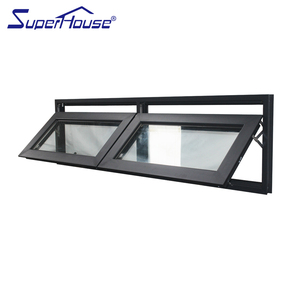
High-Performance Sound Insulation Aluminium Roof Swing Skylight Window
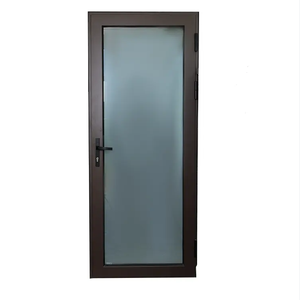
RG50 Architectural Slim Frame Soundproofing Double Glazed Casement Door
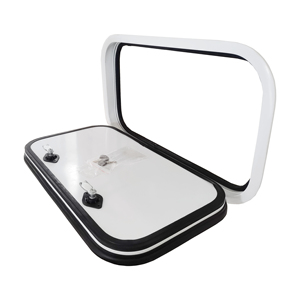
Marine Grade Aluminum Alloy Heavy-Duty Hatch & Service Utility Door
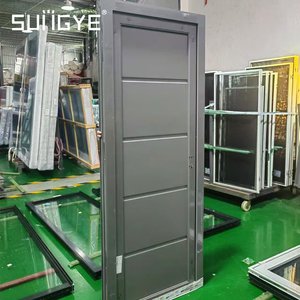
Solid Aluminum Exterior Entrance Door with High-Strength Honeycomb Panel
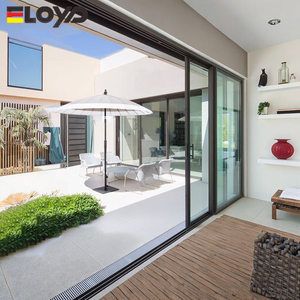
Multi-Panel Heavy Duty Soundproof Aluminum Sliding Glass Patio Doors
Solving Mumbai's Three Extreme Fenestration Challenges: Wind, Water, and Decibels
Building along the Konkan coast requires high structural integrity. Standard fenestration systems fail rapidly in Mumbai due to cyclonic wind shear, monsoon water ingress, and extreme noise pollution.
Monsoon Water Tightness & Wind Pressure Resistance
The Mumbai Metropolitan Region (MMR) experiences over 2,400mm of concentrated rainfall within an 80-day window during the Southwest Monsoon, paired with wind gusts reaching up to 140 km/h in exposed coastal corridors such as Worli, Marine Drive, Bandra West, and Palm Beach Road. Standard residential sliding tracks invariably suffer water backflow through weep holes due to positive pressure differentials.
Our engineered aluminum double glazed windows incorporate multi-chamber stepped drainage profiles equipped with gravity-assisted drainage valves and high-density vulcanized EPDM gaskets. Tested to resist extreme static pressures up to 3,000 Pa (equivalent to the cyclonic standards of AS 2047 and IS 875 Part 3), these systems guarantee zero water leakage under intense tropical rainfall.
Acoustic Decibel Isolation (Western Express & Local Transit)
With an average ambient noise level frequently exceeding 85 to 90 dBA near Western and Eastern Express Highways, SV Road, and suburban rail lines, urban tranquility has become a critical luxury benchmark in Mumbai real estate. Monolithic 5mm or 6mm single glass panes typically achieve only a meager sound attenuation of 22 to 26 dB, letting harsh traffic horns penetrate living spaces.
By engineering asymmetric Double Glazed Units (DGU)—combining 6mm toughened outer glass, a 12mm to 16mm warm-edge Argon gas filled chamber, and a 6.38mm or 8.76mm acoustic PVB laminated inner pane—our systems break sound wave frequency resonance. The result is an effective acoustic reduction index of Rw 38 to 44 dB, lowering deafening street noise down to peaceful library-quiet levels of under 42 dBA.
| Performance Characteristic | Generic Local Fabricator (Standard UPVC/Alu) | DERCHI High-Spec Aluminum DGU System | Architectural Benefit for Mumbai Towers |
|---|---|---|---|
| Structural Wind Load (Pa) | 1,200 – 1,500 Pa (Deflects visibly past 18th floor) | 3,000 – 4,500 Pa (AS 2047 Class N6 Rated) | Safe for 40+ storey towers in Prabhadevi & Worli Sea Face |
| Acoustic Attenuation (Rw) | 22 – 27 dB (Single pane or cheap 5+6A+5) | 38 – 44 dB (Asymmetric DGU + Acoustic PVB) | Muffles train whistles, metro vibrations & horn blasts |
| Corrosion Resistance Rating | Standard 15μ Anodized (Pits within 2-3 years) | Qualicoat Class 2 / PVDF Fluorocarbon 3-Coat | Impervious to Arabian Sea marine salt-fog & high humidity |
| Thermal Transmittance (U-Value) | 5.4 – 5.8 W/m²K (Massive solar heat ingress) | 1.6 – 2.1 W/m²K (Thermal Break + Argon low-E) | Reduces continuous air conditioning power load by up to 34% |
| Air Infiltration Rate | > 2.5 m³/(h·m²) at 100 Pa (Dust & soot enters) | ≤ 0.2 m³/(h·m²) (Hermetic multi-point lock) | Blocks fine PM2.5 winter pollution haze across Mumbai |
Tailored Architectural Fenestration Across Greater Mumbai
From historic redevelopment projects in Colaba to seaside luxury condominiums along the Worli Sea Face, different Mumbai micro-locales present distinct engineering requirements.
South Mumbai High-Rises & Coastal Towers
In high-density luxury high-rises along Marine Drive, Malabar Hill, and Cuffe Parade, extreme height exposes windows to harsh maritime gale winds and continuous salt-laden marine air. Our 6063-T6 aluminum frames with PVDF finishes offer high yield tensile strength, eliminating sash rattles during monsoon storms while preventing electrolytic pitting.
Commercial Hubs: BKC & Lower Parel
For corporate headquarters, IT campuses, and luxury hospitality venues in Bandra-Kurla Complex (BKC) and the refurbished textile mill compounds of Lower Parel, commercial energy codes (ECBC) require strict Solar Heat Gain Coefficients (SHGC ≤ 0.25). Our double-glazed low-E coatings reflect longwave infrared solar radiation, keeping indoor cooling bills minimal.
Alibaug & Lonavala Private Villas
Luxury holiday homes and coastal sprawling estates across Alibaug, Khandala, and Karjat demand vast panoramic spans with uninterrupted views of greenery and water. Our heavy-duty multi-panel lift-and-slide doors feature structural interlocks capable of supporting massive sash weights up to 400 kg each, sliding effortlessly on precision-machined 316 stainless steel tracks.
Transit Corridors: Andheri, Bandra & Thane
Properties fronting busy metro corridors, flyovers, and rail tracks in dense nodes like Andheri East, SV Road, and Ghodbunder Road require specialized acoustic protection. Implementing heavy-mass acoustic laminations together with triple perimeter EPDM compression bulb gaskets blocks both airborne traffic noise and low-frequency rail vibration rumble.
Emerging Fenestration Trends in Mumbai's Real Estate Landscape
Urban transformation driven by Mumbai's Development Control and Promotion Regulations (DCPR 2034) is revolutionizing exterior building enclosure specifications.
1. Shift from UPVC to Slimline Architectural Aluminum
While UPVC historically held substantial market share in mass-housing, luxury and upper-mid developments across Mumbai have moved decisively to slim architectural aluminum. Aluminum offers triple the structural flexural rigidity of plastic, enabling contemporary floor-to-ceiling heights of 3.2m to 3.6m without requiring bulky 120mm sightline profiles.
2. Green Building Mandates: IGBC & GRIHA Compliance
Developers such as Lodha, Godrej, Oberoi, and Piramal are engineering projects toward IGBC Gold and Platinum certifications. Double glazed units utilizing thermally broken profiles with polyamide insulating strips (PA66 GF25) prevent heat conduction through metal frames, dramatically cutting HVAC power loads and helping buildings achieve rigorous Energy Conservation Building Code (ECBC) compliance.
3. Demise of Generic Local Fabrication
Historically, Mumbai window procurement relied on local manual fabricators cutting profiles on site, resulting in failed corner crimps, misaligned sashes, and chronic monsoon leakage. The market now favors engineered, factory-assembled, CNC-machined unitized systems manufactured in strictly controlled dust-free environments with comprehensive warranty coverage.
4. Concealed Hardware & Smart Home Automation
Luxury penthouses in Worli and Juhu now routinely demand concealed multi-point security locking, completely invisible hinges, and integrated motorized sash operation tied into Crestron or Lutron home automation systems. This allows integrated climate monitoring to seal windows automatically when rain sensors detect sudden monsoon showers.
Global Manufacturing Scale Engineered for Mumbai Projects
Backed by 25+ years of fenestration excellence, Guangdong Dejiyoupin Doors and Windows Co., Ltd. (DERCHI) delivers end-to-end manufacturing power to India's most demanding contractors and developers.
Complete Process Quality Control
Unlike trading middle-men or regional assembly sheds, DERCHI commands total control over every phase of the value chain: direct raw 6063-T6 aluminum extrusion quality, precision thermal barrier insertion, computer-controlled corner crimping, and automated automated sealant application for IGUs.
Every export order earmarked for Mumbai undergoes pre-assembly verification and water-tightness chamber testing before containerization, preventing on-site headaches during installation.
Free Engineering CAD & BIM Coordination
We provide end-to-end engineering collaboration for Indian architects, PMCs, and facade consultants. Our in-house design engineering wing develops detailed AutoCAD shop drawings, structural wind-pressure deflection calculations, and 3D installation details custom tailored to your project's specific masonry or RCC opening reveals.
Direct sea shipments from our Foshan manufacturing hub clear through JNPT (Nhava Sheva) port with complete export-grade plywood crating and protective wrapping.
Procurement & Technical FAQ for the Mumbai Market
Detailed answers to crucial questions asked by Mumbai developers, project architects, and luxury homeowners regarding importing, weatherproofing, and logistics.
How do your aluminum sliding windows prevent monsoon water backup during heavy rains?
What surface treatment protects aluminum frames from Mumbai's coastal salt air?
Can your double glazed systems withstand the wind load on a 40+ storey building in Mumbai?
What is the typical shipping lead time and customs clearance process through JNPT (Nhava Sheva)?
How do you support on-site installation and fitting in Mumbai?
Do your double glazed windows help reduce high electricity bills caused by air conditioning?
Equip Your Mumbai Architectural Project with World-Class Fenestration
Send your door and window schedule, architectural elevations, or structural requirements to our engineering team. We deliver custom CAD shop drawings, acoustic assessments, and factory-direct estimates within 24 hours.