Premium Aluminium Kitchen Cupboard Doors & Integrated Profiles
Direct-from-factory extrusion solutions, slim-frame architectural profiles, and tempered glass systems manufactured under rigorous AS 2047, ISO 9001, and CE international standards.
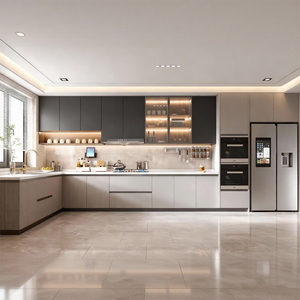
Factory Custom Modern Simple Aluminum Alloy Kitchen Cabinets with Waterproof Practical and High-quality Kitchen Furniture
- 100% Zero-Formaldehyde & Moisture-Proof
- Anodized Matte Surface Finish
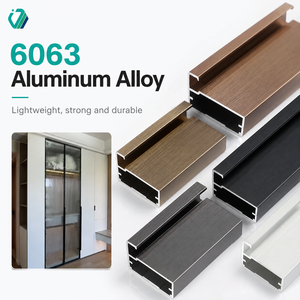
OEM 6000 Series Aluminum Extrusion Wide Frame Cabinet Door Aluminum Profile for Luxury Kitchen Furniture Glass Showcase
- Wide Structural Flange Geometry
- Engineered for 4mm-8mm Glazing
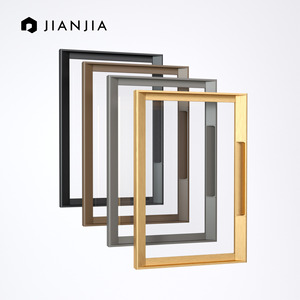
Wholesale Wardrobe Kitchen Cabinet Glass Aluminum Frame Door for Home Decoration
- Ultra-Narrow 18mm Minimalist Border
- Compatible with Concealed Hinges
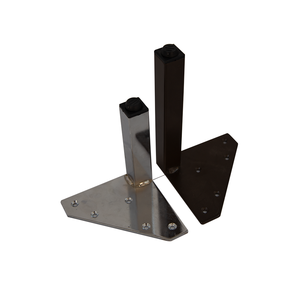
High Quality Aluminum Base Doors for Bathroom and Kitchen Cabinets Modern Design Shipped From Vietnam
- High-Humidity & Marine Atmosphere Ready
- Optimized Tariff Export Logistics
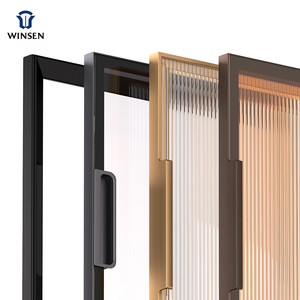
Oem Wholesale Aluminium Profile Wardrobe Door Tinted Glass Kitchen Cabinet Doors With Wholesale High Quality Deco Cabinet Doors
- Grey & Bronze Tinted Tempered Glass
- Anodized Champagne / Charcoal Frames
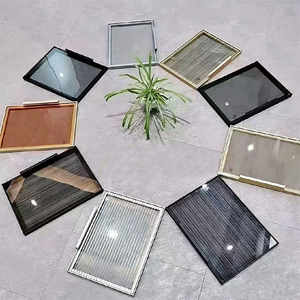
Factory Hot Sale Aluminum Glass Cabinet Door Black Glass Kitchen Cabinet Doors With Brand New High Quality Kitchen Cabinet Doors
- Deep Obsidian Micro-Sand Surface
- Scratch-Resistant Hardened Coating
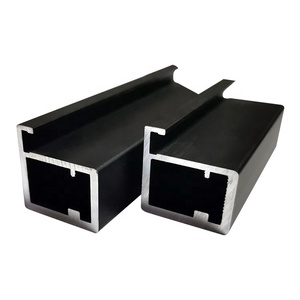
Anodized Brushed Custom Poland Glass Kitchen Cabinet Doors Aluminum Kitchen Profile
- Precision Wire-Drawing Texture
- 15-20 Micron Anodization Layer
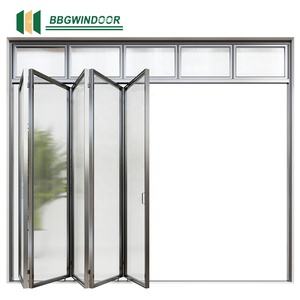
Lukliving Modern Aluminum Alloy Waterproof Folding Door for Kitchen Cabinet with Tempered Glass and Customizable Size
- Heavy-Duty Smooth Pivot Hardware
- Space-Saving Overhead Fold Track
Architectural Metallurgy: Why 6063-T5 Extruded Aluminium Dominates Modern Cabinetry
In contemporary architectural millwork and premium interior joinery, the specification of cupboard door profiles has shifted decisively away from conventional timber and moisture-susceptible medium-density fiberboard (MDF). As high-humidity environments, coastal salt spray, and intensive daily duty cycles push traditional substrates to premature delamination, warped planes, and formaldehyde off-gassing, engineered 6000-series aluminium alloy stands as the ultimate material of choice for architects, developers, and commercial procurement managers worldwide.
Aluminium alloy 6063, treated to a precise T5 temper condition, delivers an optimized balance of tensile yield strength (minimum 130 MPa), exceptional surface finishing response, and intricate micro-extrusion capability. This allows for wall thickness tolerances within ±0.12mm, providing unmatched torsional rigidity while keeping structural dead-weight minimal. Unlike wood-composite doors that swell under localized steam exposure from dishwashers or built-in induction units, extruded aluminium profiles are 100% impervious to moisture ingress, biologically inert, and inherently immune to bacterial propagation, fungal rot, and termite degradation.
6063-T5 Extrusion Tolerances
Controlled grain boundary structure delivers sharp 45-degree miter corner retention, micro-bezel edge lines (as thin as 1.2mm), and structural screw boss retention exceeding 4.5 Nm pullout torque.
Advanced Surface Anodizing
Grade AA15 to AA25 electrolytic acid bath anodization deposits a protective sapphire-hard aluminum oxide layer (15–25 microns) offering superior wear and abrasion resistance.
PVDF & Fluorocarbon Spraying
Multi-coat electrostatic fluoropolymer application ensures complete chemical inertia against domestic cleaning detergents, acidic fruit juices, kitchen greases, and high-intensity ultraviolet degradation.
Future B2B Procurement Trends in Aluminium Kitchen Cupboard Doors
Strategic procurement analysis for commercial fit-out contractors, high-end builders, and global furniture distributors preparing for the next decadal cycle.
1. Carbon Auditing & Recycled Ingot Billets
Institutional tier-1 contractors and European specifiers increasingly demand Environmental Product Declarations (EPDs). Sourcing profiles manufactured with low-carbon hydroelectric smelting and upwards of 75% post-consumer recycled aluminum scrap is shifting from an ESG luxury to a baseline tender prerequisite.
2. Hyper-Minimalist Frame Dimensions
The market has outgrown heavy 45mm face profiles. Modern interior architectural schematics dictate sightlines down to 8mm to 12mm visible faces, demanding specialized 90-degree internal zinc-alloy bracket locking systems and high-modulus structural silicones capable of securing large monolithic glass fronts.
3. Flat-Pack Knock-Down (KD) Logistics
Soaring ocean container shipping costs have catalyzed the procurement of precision-milled Knock-Down (KD) extrusion door kits. Importers can consolidate up to 450% more profile volume per 40ft High Cube container when glass panels are locally sourced or pre-cut to standardized CNC configurations.
4. Integrated LED & Conductive Hinge Geometries
Cabinet door frames are no longer passive barriers; they now serve as electro-mechanical conduits. Leading profile extrusions incorporate hidden internal channels that house low-voltage 12V/24V continuous LED light ribbons, actuated seamlessly via concealed contactless magnetic reed switches.
5. High-Tactility Fluted & Reeded Glazing
Flat clear glass is being supplanted by custom Moru, fluted, wired, and bronze silk-screened tempered glazing. Paired with brushed champagne or micro-textured matte black frames, these tactile glass doors satisfy both interior privacy masking and ambient interior illumination.
6. Zero-Tolerance Biosecurity & Anti-Microbial Coatings
Commercial culinary facilities, hospital clean rooms, and luxury multi-residential developments demand metal finishes infused with inorganic silver ion additives. These inhibit 99.9% of surface pathogens while satisfying strict global port biosecurity inspection regimes without fumigation delays.
Engineering Evolution: From Simple Extrusion Profiles to Integrated Kinetic Systems
The development timeline of aluminium kitchen cabinet doors has evolved rapidly over the past two decades. In early iterations, doors relied on visible perimeter gaskets, crude pop-riveted corner stakes, and exposed surface-mounted hinges that compromised clean architectural lines. Today, the sector has transitioned into an era of high-precision micro-machining and concealed multi-axis dynamic hardware.
State-of-the-art manufacturing utilizes multi-axis CNC routing centers running automated G-code to mill hinge pockets directly into structural aluminum profile jambs. This eliminates the need for glass drilling—a historic point of structural failure and stress concentration in tempered glass doors. Corner joining has similarly evolved: high-tonnage eccentric internal mechanical zinc brackets lock 45-degree miter joints with zero visible seam line, resisting dynamic sagging forces even after 200,000 continuous opening and closing cycles.
Gen 1: Surface Clamping (Historic)
Heavy visible frames (40-60mm), visible corner screws, external hinges, vulnerable rubber beading that degraded under kitchen grease and cleaning solutions.
Gen 2: Bonded Structural Glazing
Slim profile integration, structural silicone adhesive bonding, concealed corner keys, integration of factory-installed silicone air dampening strips.
Gen 3: Intelligent Kinetic Systems (Current)
Ultra-narrow ≤12mm bezel faces, integrated 3D adjustable top-and-bottom concealed pivot hinges, hidden soft-close pneumatic cylinders, and integrated low-voltage lighting paths.
Enterprise Capability: Guangdong Dejiyoupin Doors & Windows
Backed by over 25 years of industrial leadership, our Foshan manufacturing base delivers the engineering power, scale, and compliance required by world-class developers.
180,000 m² Integrated Industrial Base
Complete control under one roof: from billet casting, extrusion die development, and CNC precision milling, to surface anodizing, powder coating, and final assembly lines.
25+ Years of Engineering & Export Heritage
Serving major developers, modular builders, and wholesalers across Australia, New Zealand, North America, the UK, Europe, and the Middle East with zero compliance friction.
Stringent Compliance: AS 2047 & CE Certified
Our doors and windows achieve severe N6 wind rating performance, water penetration resistance, and structural integrity certified under rigorous testing regimes.
Comprehensive CAD & BIM Engineering Support
Dedicated English-speaking technical team provides free CAD shop drawings, glass cut lists, and structural cross-section schedules mapped precisely to your architectural project specs.
Export-Grade Protective Packaging
Every shipment is protected with high-density EPE foam wrapping, custom honeycomb corner caps, and heat-treated ISPM-15 compliant plywood crates for 100% damage-free ocean freight arrival.
600+ Skilled Staff & 100+ Patents
Our expansive team of industrial designers, metallurgical engineers, and quality assurance inspectors guarantees batch-to-batch consistency and continuous hardware innovation.
Frequently Asked Questions: Sourcing & Export Operations
Direct technical and commercial answers for developers, specifiers, and procurement managers planning large-scale door imports.
What aluminium alloy grade and temper do you use for kitchen cupboard door profiles?
Can you export doors as pre-assembled units with glass versus Knock-Down (KD) extrusion kits?
1. Fully Assembled Units: Ready to hang with factory-fitted tempered glass (clear, tinted, frosted, or fluted), factory-milled hinge pockets, and pre-adjusted internal dampening seals. Ideal for turnkey commercial projects seeking minimal on-site labor.
2. Knock-Down (KD) Modular Kits: Precision CNC-mitered 45° profiles, custom corner stakes, tensioning screws, and gasket seals shipped in compact cartons. This option maximizes container cubing efficiency (reducing ocean freight costs by up to 45%) for regional distributors and glass companies who install glass locally.
How do your aluminium cupboard doors perform in coastal or high-humidity marine climates?
What is the typical Minimum Order Quantity (MOQ) and production turnaround for custom runs?
How do you ensure zero-breakage for fragile glass doors during overseas ocean container transit?
Are your profile systems compatible with European concealed hinges like Blum, Salice, or Grass?
What certifications and test reports accompany commercial project shipments?
Accelerate Your Millwork Sourcing with Direct Factory Engineering
Send us your door schedules, architectural elevations, or custom extrusion dies. Our senior engineering team will review your specifications, verify hardware clearances, and return a comprehensive quotation with free CAD shop drawings within 24 business hours.