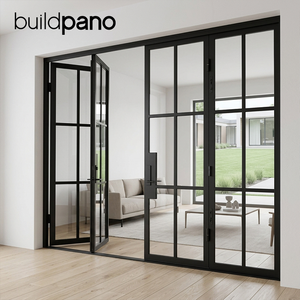
Engineered Fenestration & Integrated Security Systems
Explore our premium portfolio of export-certified aluminum jali screen systems, thermal-break sliding solutions, and high-impact casement doors engineered for extreme climatic resistance.
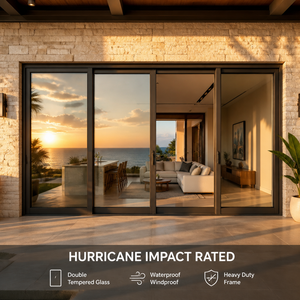
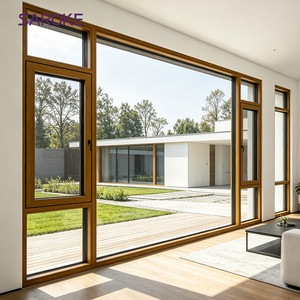
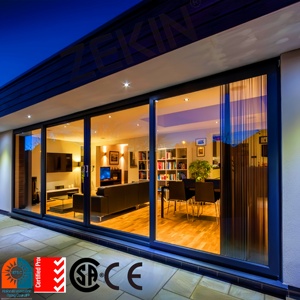
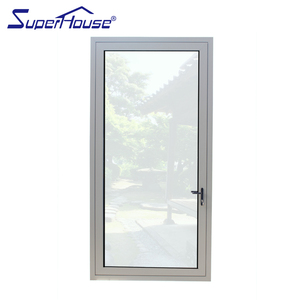
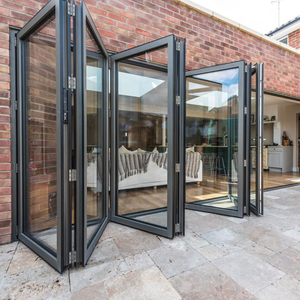
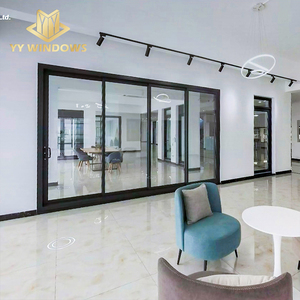
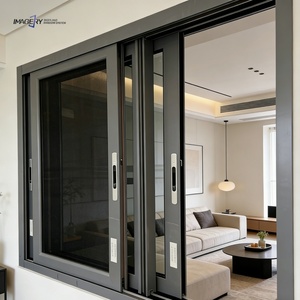
180,000 m²
Intelligent Manufacturing Base
25+ Years
Extrusion & Export Precision
N6 / AS 2047
Structural & Wind Pressure Tested
100+
Global Patents & Certifications
Industrial Specification Standards for Aluminum Jali Fenestration
Modern architectural development across coastal and tropical regions demands fenestration that performs simultaneously as a security barrier, micro-climatic ventilation filter, and thermal insulator. In export supply chains, standard insect mesh is no longer sufficient; the market requires specialized Aluminium Jali Windows (structural aluminum security and decorative mesh integrated within precision casement or sliding profiles).
Engineering a dependable jali window system requires careful optimization of alloy tensile strength, mesh aperture aerodynamics, galvanic corrosion isolation, and multi-point perimeter anchorage. When procuring directly from Chinese manufacturing centers, architectural specifiers and bulk importers evaluate three fundamental technical dimensions:
Alloy Purity & Heat Treatment
Structural sash framing requires 6063-T5 or 6061-T6 architectural aluminum billet, providing yield strengths over 160 MPa. Primary billet usage ensures dimensional stability under high cycle loads without micro-cracking across precision miter joints.
Mesh Retaining & Knife Shear Rigidity
Integrated security mesh (marine-grade 304 or 316 wire, or stamped architectural aluminum plate) must withstand Australian AS 5039/5041 knife-shear and dynamic impact testing through mechanical wedge clamping rather than superficial adhesive fastening.
Marine-Grade Surface Treatment
Salt-laden coastal environments demand Qualicoat Class 2 certified powder coatings or AkzoNobel fluorocarbon (PVDF) electro-deposition, providing salt-spray durability beyond 3,000 continuous hours without blistering or delamination.
Future Sourcing Trends for Architectural Jali Window Systems
As international energy codes tighten and mechanical HVAC reliance gives way to passive cooling strategies, the global commercial fenestration sector is experiencing key paradigm shifts:
Hybrid Thermal-Break Security Integrations
Historically, jali screening was treated as an aftermarket add-on. Modern commercial specifications now mandate unified thermal-break aluminum extrusions with integrated polyamide (PA66GF25) strips, housing double Low-E glazing alongside an independent, flush-mounted jali screen sash within a single sub-frame.
Parametric CNC & Laser-Perforated Sheets
Woven wire mesh is increasingly complemented by CNC-perforated architectural aluminum sheets. These customized geometric patterns offer specific shading coefficients, control daylighting, and prevent solar gain while remaining robust against forced entry.
Full Building-Envelope Logistics Consolidation
Wholesalers and institutional developers are moving away from multi-vendor sourcing. The preferred model partners with large single-source factories capable of shipping standardized fenestration, heavy pivot doors, and garage entries within shared, consolidated sea containers.
Why Leading Global Developers Specify Our Extruded Systems
Operating from our primary manufacturing hub in Foshan, Guangdong Dejiyoupin Doors and Windows Co., Ltd. combines technical testing rigor with vertically integrated industrial scale.
Certified Performance Integrity (AS 2047 & N6 Wind Rating)
Our aluminum structural frames and jali assemblies undergo destructive testing for cyclic wind load pressure, water penetration, and air infiltration, ensuring full regulatory compliance for harsh environments from coastal Pacific rims to cyclone corridors.
End-to-End Vertical Manufacturing Control
From initial billet heating and mold design to precision 45-degree CNC mitering, corner crimping, and automated powder coating, our 180,000 m² facility delivers consistent dimensional tolerances (±0.5mm) across volume orders.
Complimentary CAD & BIM Engineering Support
Every commercial order is backed by in-house facade engineers providing detailed shop drawings, structural wind-load deflection calculations, and custom extrusion mockups to eliminate installation conflicts before metal cutting starts.
Engineered Multi-Layer Barrier Packaging
Global export units travel in ISPM-15 compliant, fully enclosed plywood crates with edge-protection guards, desiccant sachets, and vacuum-shrink films to prevent scratching, condensation damage, or salt-air pitting during extended ocean transit.
Direct Engineering Communication
Our bilingual sales engineering teams work around standard business time zones across Australia, North America, and Europe, providing rapid quotation turnaround, live factory video audits, and transparent schedule tracking.
Frequently Asked Questions: Commercial Fenestration Procurement
Clear, technical answers to common questions about engineering, surface coatings, testing certifications, and international container transport.
How do aluminum jali windows prevent galvanic corrosion when using stainless steel mesh?
Galvanic corrosion occurs when dissimilar metals (such as 304/316 stainless steel wire and 6063-T5 aluminum framing) come into direct electrical contact in the presence of an electrolyte like salt air. Our systems use extruded PVC or EPDM co-extruded isolation barriers, completely insulating the mesh from the aluminum channel. Non-conductive structural retaining wedges further isolate fasteners, preserving structural integrity in high-salinity coastal conditions.
Can your jali window and casement systems meet strict local wind load and cyclone building codes?
Yes. Our structural framing profiles are certified to Australia's AS 2047 standard, achieving an N6 rating for extreme wind loads (serviceability design wind pressure up to 3000 Pa and ultimate strength exceeding 4500 Pa). We verify section inertia and corner bracket strength through finite element analysis (FEA), matching structural reinforcement to your project's regional wind-zone documentation.
What custom extrusion powder-coat warranty profiles do you provide for harsh environments?
We use certified powder coatings from international brands like AkzoNobel Interpon and PPG. For projects within 1-5 km of marine shorelines, we apply multi-coat PVDF (fluorocarbon) finishes or Qualicoat Class 2 hyper-durable polyesters. These maintain gloss, prevent chalking, and carry a 15-to-25-year performance warranty against film integrity failure.
What is the standard production lead time for full-container-load (FCL) architectural orders?
Standard lead time is 25 to 35 business days from final CAD drawing sign-off and deposit receipt. Bespoke systems requiring custom die tooling, specialized hardware sourcing, or custom color matching usually require an extra 10 to 14 days for sample batch validation prior to full extrusion runs.
How are loose site installation issues addressed for overseas builders and contractors?
Every crated unit ships with itemized labels mapped to the project's master door/window schedule, along with comprehensive installation manuals and CAD anchor placement details. For complex developments, our senior facade engineers provide remote video walkthroughs, pre-installation team briefings, and full assembly reviews during local business hours.