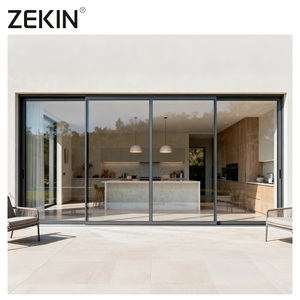
AS 2047
Low-E Double Glazed
A technical assessment of high-performance porch systems engineered for cyclonic resistance, severe UV exposure, coastal salinity barriers, and architectural longevity.
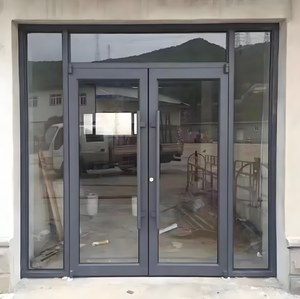
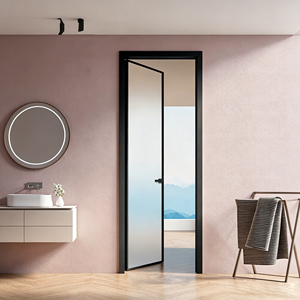
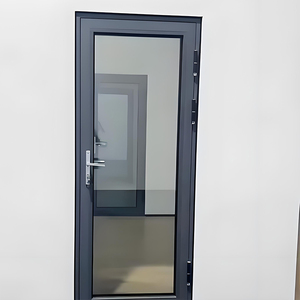
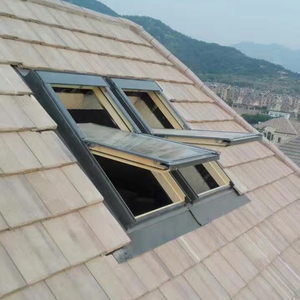
Decoding Tier-1 manufacturing benchmarks, material extrusion integrity, and thermal mitigation standards for exterior envelope projects.
Architectural specifiers, residential building contractors, and real estate developers navigating the global envelope industry recognize that exterior aluminum porch doors serve an intricate dual role. They are not merely entry points; they act as the thermal, acoustic, and physical barrier against severe natural elements. From high-wind velocity coastlines in Queensland and Auckland to the moisture-laden zones of North America, an exterior porch door must resist wind-load deflection, moisture ingress, and thermal conduction without aesthetic compromise.
When benchmarking the Top 10 Aluminum Porch Door Manufacturers and Factories worldwide, high-caliber fabricators distinguish themselves across four core competencies: extrusion metallurgy (6063-T5 vs. 6060-T6 architectural grade), polyamide thermal break integration (PA66 GF25), surface resilience (fluorocarbon PVDF vs. marine-grade powder coating), and accredited structural compliance (such as AS 2047, CE EN 14351-1, and Florida Product Approval).
For project procurement professionals, direct comparison of raw extrusion parameters is vital. Below is a specification matrix reflecting technical standards observed across premier tier-1 manufacturing hubs:
| Performance Characteristic | Commercial Grade (Tier 1 Certified) | Standard Residential Fabricator | Oceania / Coastal Requirement |
|---|---|---|---|
| Alloy Composition | Primary Billets 6063-T5 / 6060-T6 | Recycled Scraps / Mixed Secondary Ingot | AlSiMg alloy with low copper content |
| Wall Thickness Profile | 2.0mm – 3.0mm structural frame | 1.2mm – 1.4mm light-duty profile | ≥ 2.0mm minimum for N5/N6 rating |
| Surface Protection | PVDF Fluorocarbon (≥40μm) / Qualicoat Class 2 | Standard Anodized (<15μm) / Class 1 Powder | Marine-grade powder coat (>60μm) or PVDF |
| Water Tightness Rating | ≥ 450 Pa (Tested to AS/NZS 4420.5) | ≤ 150 Pa standard water head | ≥ 300 Pa to prevent cyclonic ingress |
| Hardware & Hinging | 316 Austenitic Stainless Steel Pivot / Multi-point | Zinc alloy / 201 Stainless Steel | Grade 316 Marine Hardware (Anti-pitting) |
Tier-1 manufacturing operations—such as the facility operated by DERCHI (Guangdong Dejiyoupin Doors and Windows Co., Ltd.) in Foshan—integrate precision computer numerical control (CNC) four-axis machining centers. This level of automated fabrication guarantees zero joint play, exact miter joints, and airtight perimeter vulcanized EPDM gaskets.
Market dynamics influencing international trade, energy compliance, and intelligent entrance design through 2026–2030.
Regulatory initiatives globally (e.g., Australia's NCC 7-Star energy mandates and the US IECC standards) demand composite frames with ultra-wide polyamide thermal barriers. Modern porch doors now require multi-chamber designs delivering Uw ≤ 1.6 W/(m²·K), reducing HVAC loss across large front-of-house perimeters.
Standard hinge swinging doors are increasingly superseded by monumental pivot entrances reaching widths of 2.0 meters and heights beyond 3.5 meters. These configurations mandate bottom-floor concealed pivot boxes rated for 400kg+ panel weights without frame sagging or latch binding over 100,000 cycles.
The modernization of front porch entries includes built-in motorized multipoint locking systems compatible with biometrics, smartphone NFC, and home automation protocols. Furthermore, PDLC smart switchable glass is moving from commercial interiors to residential porch entry portals for on-demand privacy.
Extreme weather patterns are pushing structural demand toward certified impact-resistant laminate glass (PVB/SGP interlayers) paired with heavy reinforced outer wall profiles. SGP ionoplast interlayers ensure that if the sacrificial outer glass shatters under airborne debris impact, the portal keeps the building envelope pressurized.
Corporate real estate ESG standards and major green building certifications (LEED, BREEAM, Green Star) are steering institutional procurement toward manufacturers utilizing hydroelectricity-smelted low-carbon aluminum billets with verified Environmental Product Declarations (EPD).
Procurement teams are cutting lead times by bypassing retail intermediaries. Direct coordination with factories offering full parametric Revit/BIM files and pre-production shop drawings guarantees zero field-measurement errors when shipping containers arrive on site.
With an integrated 180,000 m² industrial presence in Foshan, Guangdong Dejiyoupin Doors and Windows Co., Ltd. controls the end-to-end lifecycle of high-performance architectural systems.
From aluminum alloy thermal-break extrusion design to mold engineering, tooling, and powder-coat anodizing, we maintain absolute single-source quality control.
Extensively lab-tested and certified to meet the highest wind ratings (N6 cyclonic capacity), water resistance, and air infiltration metrics for strict building authorities.
Our dedicated engineering department drafts and verifies structural project shop drawings and elevation sections to match architectural schedules prior to cutting metal.
Every porch door frame and glass leaf is packed inside custom fumigation-free timber crates with localized corner shock absorbers to ensure zero freight damage.
Expert answers addressing structural ratings, shipping logistics, finishes, and architectural integration.
Whether you are detailing an ultra-luxury residential portico entrance, specifying high-volume commercial multi-residential porch portals, or requiring certified AS 2047 test documentation, our bilingual engineering group is on standby to assist with rapid CAD reviews and factory direct quotes.