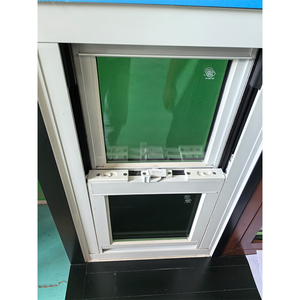
CHANGYI Single Top Aluminum Unit
Compact reinforced architectural profile engineered for moisture isolation, high wind impact mitigation, and longevity.
Technical SpecsNavigating global building codes, structural deflection ratios, thermal transmittance standards, and multi-facility industrial capability across modern architectural applications.
Compact reinforced architectural profile engineered for moisture isolation, high wind impact mitigation, and longevity.
Technical Specs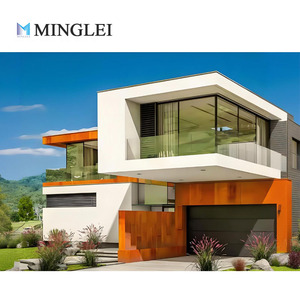
Ultra-narrow sightline design integrating polyamide thermal barriers to optimize indoor environmental comfort.
Technical Specs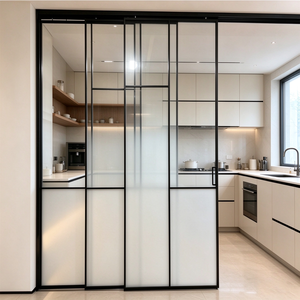
8mm tempered frosted glass configuration with zero bottom threshold for seamless commercial hospitality execution.
Technical Specs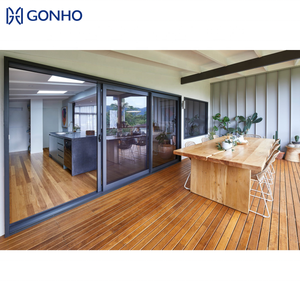
Multi-track commercial structural assembly engineered for oversized span facades requiring high cyclic durability.
Technical Specs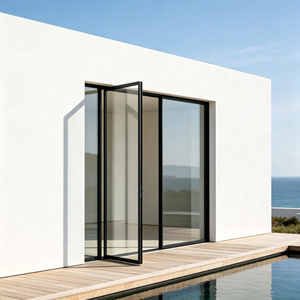
Engineered for triple-pane structural glass assemblies with high-load bearing tandem bogies and thermal isolators.
Technical Specs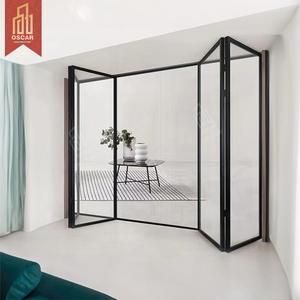
Space-efficient accordion structure incorporating architectural woven mesh for environmental ventilation.
Technical Specs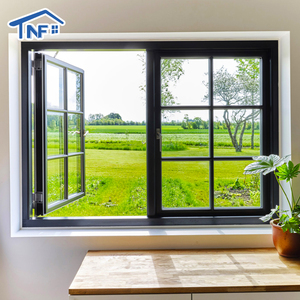
Curved architectural extrusion combining traditional aesthetics with pressure-equalized drainage cavities.
Technical Specs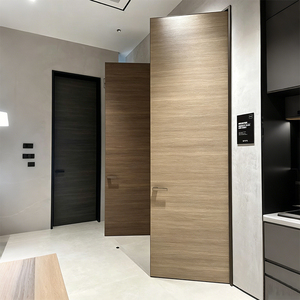
Hybrid structural core merging high-modulus extruded profiles with acoustic solid interior cores for sound isolation.
Technical SpecsIn high-specification commercial developments and coastal architectural residences, fenestration assemblies face compounding environmental stressors. The term "Aluminium Fiber Door" refers to hybrid building systems pairing high-tensile 6063-T5/T6 structural aluminium extrusions with glass-fiber reinforced polymers (GFRP) or advanced fiber-matrix composite thermal breaks. This synthesis addresses the inherent thermal bridge limitation of solid metals while providing deflection resistance beyond conventional uPVC or unreinforced timber.
Modern fenestration assemblies rely on mechanical isolation. An extruded 6063-T6 architectural exterior shell provides extreme surface hardness, UV resistance via fluorocarbon (PVDF) coatings, and impact resilience. Directly behind this exterior skin sits an internal fiber-reinforced core—typically continuous woven fiber panels or polyamide 6.6 with 25% chopped glass fiber strands. This internal matrix serves two primary architectural functions:
1. Thermal Decoupling: Reducing overall window/door assembly U-values below 1.6 W/m²K, eliminating condensation vulnerability in high-delta climate conditions.
2. Acoustic Damping: Dissipating surface-level sound wave energy via viscoelastic core interlayers, delivering documented Sound Transmission Class (STC) ratings above 38 dB.
| Evaluation Metric | Standard Aluminium Systems | Fiberglass / GRP Systems | Reinforced Aluminium Fiber Matrix |
|---|---|---|---|
| Yield Strength (Mpa) | 160 - 210 MPa | 80 - 140 MPa | 230 - 310 MPa (Composite Synergy) |
| Thermal Conductivity (U-Value) | 3.5 - 5.8 W/m²K (Non-Break) | 1.8 - 2.2 W/m²K | 1.1 - 1.6 W/m²K (Optimized Multi-Chamber) |
| Thermal Expansion (10⁻⁶/K) | 23.4 (High movement) | 8.0 - 12.0 | 9.5 - 13.0 (Dimensionally Stable) |
| Coastal Salt-Spray Resistance | Prone to pitting if untreated | Inert / Immune | Marine Fluorocarbon + Protected Core (3000h+) |
| Structural Span Potential | Moderate (Requires heavy transoms) | Low to Moderate Deflection | High: Supports 3000mm+ Panel Heights |
A technical assessment of industrial leaders evaluated across extrusion capabilities, composite thermal engineering, and international compliance certification.
Operates a 180,000 m² integrated production base in Foshan with 25+ years of fenestration experience. Controls in-house extrusion, automated machining, and testing verified to AS 2047 (N6 wind load), CE, and ISO 9001. Specializes in customized large-format pivot doors and coastal corrosion-resistant systems.
German architectural system supplier recognized for continuous continuous-fiber insulated bars and Passivhaus-certified door designs. Provides comprehensive engineering software and system platforms globally.
Headquartered in Belgium, Reynaers focuses on high-efficiency circular alloys and fiberglass-polyamide thermal struts, specializing in oversized sliding and multi-track configurations.
Renowned for seismic engineering and precision Japanese alloy formulations. Offers hybrid commercial framing systems with resin-fiber composite inserts designed for cyclic stability.
North American leader in high-traffic commercial curtain walls and impact entrances. Features thermal break technologies designed to withstand extreme wind-borne debris testing.
One of Southeast Europe's largest extrusion companies, providing carbon-fiber reinforced pivot assemblies and minimal profiles for luxury hospitality and estate developments.
Utilizes Hydro Circal low-carbon alloys containing post-consumer scrap. Integrates fiber-reinforced polyamide thermal insulation strips to optimize whole-lifecycle carbon impact.
French fenestration specialist offering advanced acoustic solutions. Uses modular multi-barrier profiles and high-density fiber inserts for airport and city-center developments.
Specializes in hurricane-zone fenestration across the Atlantic basin. Combines structural aluminium outer profiles with heavy-duty laminated glass and reinforced framing anchors.
UK-based manufacturer dedicated to premium residential folding and sliding systems. Known for short lead times and standardized components combined with custom powder-coated finishes.
Market dynamics, regulatory demands, and supply-chain requirements transforming architectural specifications for 2026 and beyond.
Procurement teams are moving away from self-declared lab results, requiring third-party verified test data. In Oceania, doors must meet Australian AS 2047 and AS 1288 standards, including cyclic wind pressure tests up to N6 ratings and verified water tightness exceeding 450 Pa.
Coastal projects require specialized corrosion protection. Architectural specifications increasingly demand Qualicoat Class 2/3 powder coating or AAMA 2605-compliant 70% PVDF fluorocarbon coatings capable of passing 3,000-hour acetic acid salt spray (AASS) exposure.
High-end residential and commercial builds are adopting integrated smart access. Modern door panels come factory-prepared with concealed conduits, electric multi-point locks, motorized pivot systems, and biometric interfaces that integrate into building management systems.
Vertical manufacturing control eliminates intermediary layers, providing certified quality and transparent delivery timelines.
Our in-house engineering department produces project-specific CAD shop drawings and BIM-compatible models from your architectural door schedules, confirming dimensions, structural wind calculations, and anchoring details prior to extrusion cutting.
Simplify procurement by sourcing cast aluminium security doors, minimal pivot assemblies, thermal break sliding doors, interior solid wood doors, and automated garage systems from a single manufacturing partner to streamline container consolidation and on-site delivery.
Regular export shipping in FCL and LCL containers to Australia (Sydney, Melbourne, Brisbane, Perth), New Zealand (Auckland), and the Pacific Islands. Every unit is protected by reinforced timber crating designed to satisfy strict biosecurity quarantine regulations.
Detailed technical answers for specifiers, project developers, and quantity surveyors importing architectural door systems.
Compliance requires testing by an accredited testing facility for deflection under wind pressure (AS 4055/AS 1170.2), air infiltration, water penetration resistance, and operating force limits. DERCHI systems hold verified test reports reaching N6 wind ratings (over 4400 Pa ultimate wind pressure), suitable for high-wind and exposed coastal zones.
In humid coastal regions, air conditioning creates a temperature delta between interior and exterior surfaces. Extruded aluminium conducts heat quickly, dropping indoor frame temperatures below the dew point. Introducing a low-conductivity polyamide or GFRP thermal barrier breaks this thermal bridge, keeping frame surfaces above dew point levels.
Marine environments require fluorocarbon finishes with at least 70% Kynar 500 / Hylar 5000 PVDF resin, or high-build marine powder coatings certified under Qualicoat Seaside specifications. Standard anodizing must exceed 20 to 25 microns to prevent filiform corrosion and surface pitting.
Standard open thresholds cannot pass pressurized water penetration tests. For external weather exposure, DERCHI utilizes high-performance drop-down automatic acoustic/water perimeter seals, concealed perimeter drainage trays, and magnetic compression gaskets to balance flush floor transitions with water resistance.
To avoid transit scratching, moisture buildup, and impact damage during ocean transport, products are wrapped in protective PE film, cushioned with high-density EPE foam corner guards, and secured within ISPM-15 compliant fumigated plywood crates suitable for customs quarantine clearance.
Clients submit their door schedules, architectural floor plans, or rough opening dimensions. Our engineering team prepares technical shop drawings that include frame deductions, finished floor levels, wall reveal details, and anchoring points. Production begins only after formal client sign-off.
Submit your architectural schedule, CAD drawings, or project tender. Our technical sales engineers will deliver detailed CAD shop drawings, compliance documentation, and factory-direct project pricing within 24 hours.