Precision-Engineered Doors & Windows
Explore our premium architectural configurations engineered for maximum cyclonic resistance, passive thermal insulation, and seamless structural aesthetics across high-end commercial and residential developments.
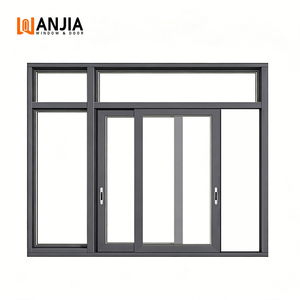
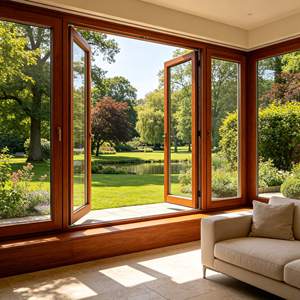
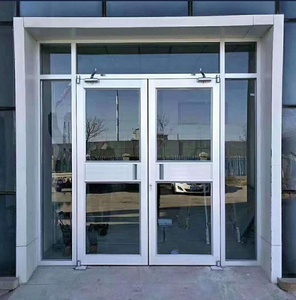
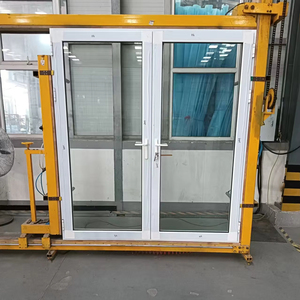
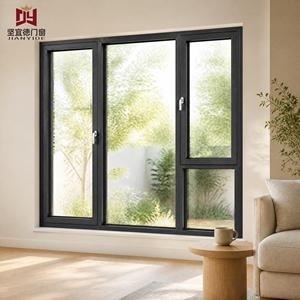
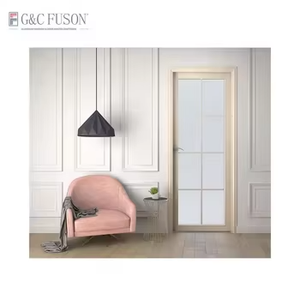
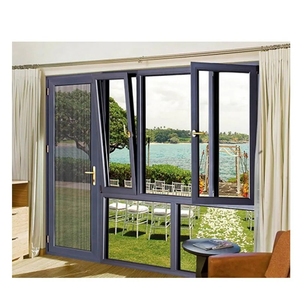
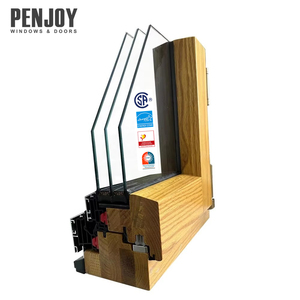
Comprehensive Evaluation Matrix: Top 10 Aluminium Doors & Windows Manufacturers
Specifying fenestration systems for tier-one commercial towers, high-end residential estates, or coastal resorts requires an in-depth understanding of structural mechanics, thermal kinetics, and metallurgy. Global supply chains feature thousands of regional fabricators, yet only an elite group of industrial manufacturing powerhouses combine primary billet metallurgy, advanced CNC machining, certified glass lamination, and international standard testing under one roof.
When engineering consultants and chief procurement officers benchmark the Top 10 Aluminium Doors and Windows factory and supplier ecosystems, evaluation criteria extend far beyond square-meter pricing. Modern fenestration engineering relies on strict structural metrics: profile deflection (L/175 or L/250 under ultimate wind loads), thermal bridging resistance through techno-polymer thermal breaks, cyclical water chamber ingress resistance, and acoustic attenuation performance (Rw/STC ratings).
| Evaluation Tier / Criterion | Primary Technical Standard | Structural Parameter Benchmark | Tier-1 Factory Capability |
|---|---|---|---|
| Alloy Metallurgy & Billeting | EN 573-3, ASTM B221, GB 5237 | 6063-T5 / 6063-T6 Pure Virgin Ingot | Zero Scrap Recycled Core |
| Cyclonic Wind Loading | AS 2047 (N6), ASTM E330, TAS 202 | Design Pressure > 4,500 Pa | Certified AS/NZS Deflection |
| Thermal Insulation | ISO 10077-2, NFRC 100/200 | Uw < 1.2 W/m²·K (Passive ≤ 0.8) | PA66 GF25 Polyamide Bars |
| Air Infiltration & Water Ingress | ASTM E283, ASTM E331, EN 12208 | Water Resistance ≥ 600 Pa | Co-extruded EPDM Multi-Fin |
| Surface Protection Finishes | AAMA 2605, Qualicoat Class 2/3 | Fluorocarbon PVDF ≥ 40μm | 10,000hr Salt-Spray Resistant |
Strategic Engineering Note: Selecting an architectural supplier with in-house extrusion, anodizing, and multi-laminate insulated glazing units (IGU) eliminates multi-tiered markups and prevents field-fit discrepancies between glass tolerances and extruded sash channels.
Why Direct Vertical Manufacturing Dominates the Global Procurement Index
A critical divergence among the world's leading suppliers is the difference between system assemblers and true vertically integrated manufacturers. Traditional regional fabricators purchase pre-extruded lineal bars from third-party extrusion houses, order sealed units from local glass plants, and assemble with off-the-shelf fasteners. This disconnected pipeline introduces tolerance stacking errors, erratic thermal expansion variances, and multi-party warranty disputes during structural failures.
Conversely, premier industrial factories such as DERCHI operate massive centralized facilities (spanning over 180,000 square meters) that control the complete product transformation cycle: from precision profile machining centers, pneumatic corner crimping, and computerized silicone structural glazing, to automated argon-gas purging lines and computerized packaging. This vertical cohesion guarantees that every casement, pivot door, or hurricane-impact slider performs in complete alignment with its laboratory certification.
Emerging Procurement & Engineering Trends
Fenestration architecture is undergoing an unprecedented shift toward ultra-low carbon materials, integrated solar shading, motorized IoT connectivity, and extreme climatic resiliency.
1. Decarbonization & Low-Carbon Billets
Global architectural specifications increasingly require Environmental Product Declarations (EPD). Procuring low-carbon aluminium produced using renewable hydroelectric smelters reduces embodied carbon by up to 70% compared with legacy coal-fired smelting, satisfying stringent LEED v4.1 and BREEAM sustainability scoring.
2. Micro-Thermal Breaks & Passive Standards
Standard architectural aluminium is thermally conductive. The future of high-efficiency building envelopes centers on wide-chamber polyamide thermal breaks (34mm to 54mm) augmented with polyolefin insulation foams, pushing window assemblies to Passive House levels (Uw ≤ 0.8 W/m²·K) for extreme continental climates.
3. Narrow Sightlines & Structural Glass
Contemporary aesthetics demand invisible frames. Engineering innovations rely on structural silicone bonding where the insulated glass unit acts as the primary shear-resisting diaphragm. This enables ultra-slim interlockers down to 20mm sightlines while supporting oversized sash weights exceeding 500 kilograms.
4. Hardened Multi-Point IoT Hardware
Manual lever latches are rapidly evolving into motorized multi-point mechanical lock systems integrated with building management systems (BMS). Concealed drive motors with magnetic reed sensors provide automated micro-ventilation, smoke evacuation sequences, and biometric perimeter access control.
5. Severe Coastal & Cyclonic Hardening
Global climatic disruptions demand higher structural safety factors. Standard ASTM and AS 2047 testing is now routinely augmented with cyclical missile impact testing (SentryGlas® interlayers) and marine-grade fluoropolymer surface coatings exceeding 10,000 hours of neutral salt spray testing.
6. BIM-Integrated Digital Fabrication
Direct export from architectural Revit models into 5-axis CNC processing machinery eliminates shop floor transposition errors. Every mullion, transom, and drainage slot is drilled to fractional-millimeter accuracy, slashing jobsite installation times and moisture ingress issues.
Factory Strength & Engineering Edge: The DERCHI Advantage
Recognized as one of China’s preeminent fenestration enterprises, Guangdong Dejiyoupin Doors and Windows Co., Ltd. (DERCHI) represents the vanguard of modern industrial door and window engineering. Situated in the manufacturing hub of Foshan, Guangdong, our infrastructure combines over 25 years of technical heritage with a state-of-the-art 180,000-square-meter manufacturing campus.
Unlike conventional contract fabricators, DERCHI operates as a comprehensive engineering partner for international general contractors, facade consultants, and master distributors across Australia, New Zealand, North America, and Europe. Our production lines integrate European high-precision Elumatec CNC profile centers, automated robotic sealant dispensers, and dedicated cleanrooms for double and triple-glazed unit assembly.
Key Enterprise Assets:
- AS 2047 Full Structural Certification: Our engineered systems consistently secure the peak N6 cyclonic wind class rating, verified for air infiltration, severe water penetration (exceeding 600 Pa), and structural ultimate load resistance beyond 4,500 Pa.
- Uncompromising In-House R&D: Backed by a dedicated technical engineering department of 45+ facade engineers providing structural static calculations, thermal simulation isotherms (LBNL THERM modeling), and full shop CAD/BIM models within 48 hours of project schedule receipt.
- Comprehensive Architectural Portfolio: Seamlessly supply entire project envelopes from a single facility—including heavy-duty thermal break casements, large-span panoramic lift-and-slide doors, 3-meter oversized pivot doors, security cast-aluminium entries, and acoustic interior assemblies.
- Turnkey Global Export Logistics: Advanced crating systems utilizing fumigated solid-timber boxes, moisture-barrier wrapping, corner edge protectors, and specialized container loading frames to guarantee zero glass fracture or anodized surface scratching during ocean transit.
Frequently Asked Questions (FAQ)
Essential answers for architectural specifiers, general contractors, and overseas procurement officers sourcing custom fenestration directly from tier-one factories.
How do AS 2047 (Oceania) standards compare to North American ASTM/NFRC or European CE standards?
What is the technical role of polyamide (PA66 GF25) versus PVC thermal breaks in aluminium frames?
How can international buyers verify quality assurance and prevent transit damage on overseas orders?
What finish specifications are required for projects situated within 500 meters of the coastline?
What is the typical production lead time for custom architectural door and window schedules?
Ready to Engineer Your Project's Fenestration Schedule?
Connect directly with our senior structural facade engineers. We provide complimentary CAD shop drawing reviews, AS 2047 / ASTM compliance assessments, and direct factory-direct pricing for commercial and residential developments.