Curated Architectural Door Systems
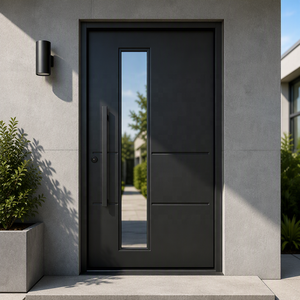
Modern Residential Villa Thermal Insulation Iron Entrance Doors With Smart Lock Available
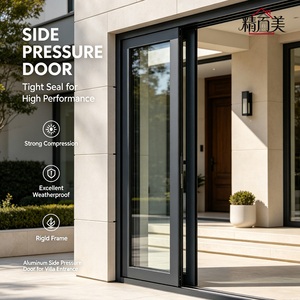
Modern Windproof Customized Hurricane Resistant Glass Soundproof Rigid Frame Weatherproof Aluminum Side Pressure Sliding Door
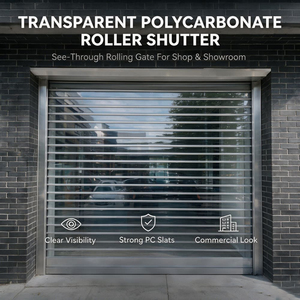
Heavy Duty Industrial Grade Aluminum Rolling Steel Door for Commercial Building Security and Factory Warehouse Protection
Fuson Eco-Friendly Aluminium Frame Glass Screen Hinge Door Mosquito Net Door Aluminum Screen Door
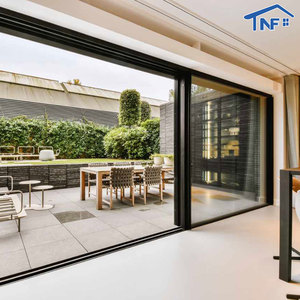
Modern Glass Sliding Door Soundproof Slim Frame Tempered Glass Exterior Aluminum Patio Sliding Doors for Houses
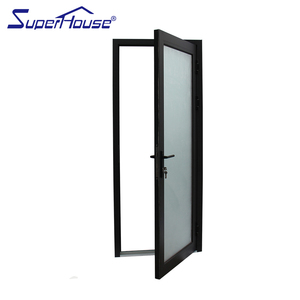
Superhouse Used Storm Doors Commercial Aluminum Storm Double Tempered Glass Swing Door
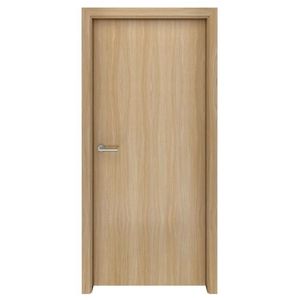
CBMmart White Oak Veneer Stain Grade Modern Hotel Room Wood Door Designs With Metal Aluminum Strip Inlay For Hospitality Project
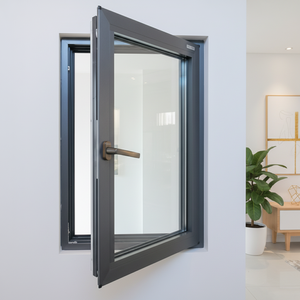
European Style Energy Star Energy Efficient Thermal Break Aluminium Triple Glazed Aluminum Passive House Windows
Executive Whitepaper: Sourcing High-Performance Aluminium Cottage Pane Systems
The global architectural glazing landscape is undergoing a structural transition toward thermally insulated, low-maintenance, and biophilic architectural profiles. Among modern fenestration designs, Aluminium Cottage Pane Doors—historically recognized for their multi-lite, divided-glass aesthetics—have emerged as a dominant specification for high-end residential, commercial retrofit, and luxury hospitality projects across North America, Europe, Australia, and the Middle East.
Traditional cottage pane systems built from timber or cold-rolled steel presented severe operational challenges, including timber degradation, frequent repainting, thermal bridging, frame warping under UV exposure, and water ingress. Modern extruded aluminium cottage pane systems overcome these limitations through advanced 6063-T5/T6 alloy extrusions, multi-chambered polyamide thermal breaks (PA66 GF25), and high-performance powder coating technologies (Qualicoat Class 2/3). This procurement guide provides B2B buyers, architectural specifiers, project developers, and bulk importers with a comprehensive technical matrix to evaluate global manufacturers and streamline cross-border procurement.
Structural Glazing Engineering: True Divided Lites (TDL) vs. Simulated Divided Lites (SDL)
When specifying aluminium cottage pane doors for large-scale developments, procurement officers must choose between two primary manufacturing methodologies for creating the iconic multi-lite grid pattern: True Divided Lites (TDL) and Simulated Divided Lites (SDL).
True Divided Lites (TDL)
Individual glass lites are physically inserted into separated aluminum mullion grids. While offering authentic craftsmanship, TDL increases structural joint count, multiplying thermal bridging vectors and potential air/water leakage points if sealants degrade over time.
Simulated Divided Lites (SDL)
Utilizes a single large unit of Double or Triple Glazed Insulated Glass (IGU) with internal spacer bars and precision-bonded surface aluminium muntin bars. SDL preserves maximum thermal efficiency, eliminates seal failures, and provides superior wind-load performance.
Global Sourcing Matrix: Top Aluminium Cottage Pane Door Manufacturers
The matrix below outlines key engineering criteria, compliance certifications, and manufacturing benchmarks used by Tier-1 commercial buyers to select premier door suppliers.
| Manufacturer / Region | Primary Alloy Grade | Thermal Break Tech | Testing Standards | Lead Time & Min. Order |
|---|---|---|---|---|
| Guangdong Dejiyoupin (DERCHI) [China] | 6063-T5 / 6060-T66 High Purity | PA66 GF25 Polyamide Strips (24-34mm) | AS 2047, CE, ISO9001, UL Fire Rating | 15-25 Days | Flexible / MOQ 1 Set |
| European Systems Tier-1 [Germany / Italy] | EN AW-6060 Architectural | Multi-Chamber Polyurethane Co-Extrusion | EN 14351-1, Passive House Institute | 45-60 Days | High Minimum Spend |
| North American Fabricators [USA / Canada] | 6063-T6 Structural Grade | Poured & Debridged Thermal Barrier | NFRC, AAMA 101, Florida Hurricane Code | 30-45 Days | Standard Container Lots |
| Southeast Asian Exporters [Vietnam / Malaysia] | Standard 6063-T5 Extrusions | Basic PVC / Low-Density Thermal Inserts | ISO 9001, Local Domestic Codes | 20-35 Days | Volume Order Preferred |
Future Procurement Trends in Aluminium Architectural Doors (2026–2030)
Industry Insight: Global construction mandates are shifting toward Zero-Energy Buildings (ZEB). Future procurement strategies focus not only on initial purchase price, but on Whole-Life Carbon (WLC), operational energy savings, and smart system integration.
1. Micro-Slim Profile Profiles with Concealed Hinges
Architects are demanding sightlines below 30mm for cottage pane muntin bars without sacrificing wind pressure resistance. This requires high-tensile 6060-T66 aluminium alloys paired with structural silicone glazing (SSG) techniques. Hidden heavy-duty pivot and butt hinges capable of supporting sash weights over 300kg are becoming standard in high-end specifications.
2. Integration of Biometric & IoT Smart Hardware
Modern cottage pane doors are evolving from traditional key-operated multi-point locks to fully integrated smart access solutions. Keyless entry via 3D facial recognition, fingerprint scanners, motorized locking drives (GU, Siegenia, or HOPO), and home-automation integration via Zigbee/Wi-Fi protocol are high priority features for residential villa developers.
3. High-Durability Marine-Grade Finishes (C4/C5 Corrosion Environments)
For coastal luxury projects, standard powder coatings quickly fail due to salt spray oxidation. Leading suppliers now offer Qualicoat Class 3 and PVDF Fluorocarbon 3-coat spray finishes resistant to over 3,000 hours of continuous salt spray testing, guaranteeing color retention and film integrity for over 25 years.
Material Engineering & Quality Control Standards
Understanding raw material science is critical when auditing supplier capabilities. Below is an engineering overview of essential components that differentiate structural-grade aluminium doors from lower-quality residential profiles:
Primary Aluminium Extrusion
Must utilize 100% primary ingot 6063-T5/T6 profile with wall thickness exceeding 2.0mm for heavy-duty doors (compliant with EN 755-2). Recycled scrap aluminium creates micro-cracks and structural failure under wind load testing.
PA66 GF25 Thermal Barriers
Polyamide 66 reinforced with 25% glass fiber matches the linear thermal expansion rate of aluminium extrusions, preventing seal rupture under extreme thermal shock (-30°C to +80°C).
Double/Triple Insulated Glazing
Glazing units feature dual-seal EPDM gaskets, Low-E pyrolytic coatings, and 90%+ Argon gas fill to eliminate internal condensation and achieve acoustic ratings up to $R_w = 45\text{dB}$.
Guangdong Dejiyoupin Doors and Windows Co., Ltd. (DERCHI)
Operating an expansive 180,000m² manufacturing mega-base in Foshan, China, DERCHI brings over 25 years of specialized R&D, structural engineering, and automated production. Powered by 600+ skilled technicians, 100+ patents, and full international compliance (AS 2047, CE, ISO9001, UL Fire Rating), we provide factory-direct custom door systems for luxury homes, hospitality resorts, and commercial developments globally.
Frequently Asked Procurement & Engineering Questions (FAQ)
Partner with a Premier Global Door Manufacturer
Whether you are an architect detailing an iconic residential estate, a general contractor managing a commercial multi-family development, or an importer expanding your fenestration portfolio, our engineering team is ready to assist with custom quotes, sample kits, and structural consultation.