Direct-From-Factory Impact Systems & Hurricane-Rated Envelopes
Review our curated product range developed in Foshan, China. These systems combine reinforced 6063-T6 architectural aluminum framing, multi-laminated structural interlayers (SGP / PVB), multi-point hardware configurations, and certified cyclonic water tightness for residential, coastal hotel, and commercial development projects.
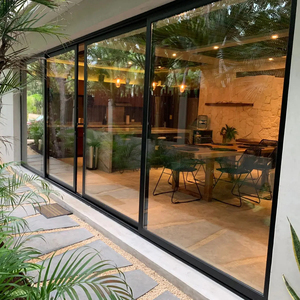
Modern Aluminum Sliding Glass Door Patio Design for Home Office Waterproof Patio Design House Stacker Door
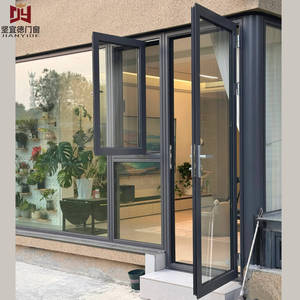
Aluminum Swing Door For Apartment/Hotel Use-High Durability Soundproof & Weatherproof Modern Design Powder Coated Surface
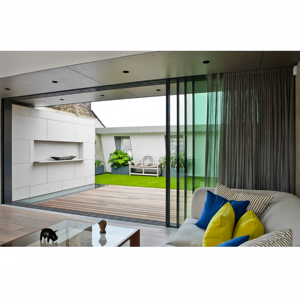
Customized Large Aluminum Sliding Door Narrow Slim Double Triple Glass for Living Room Interior Partition Aluminium Manual
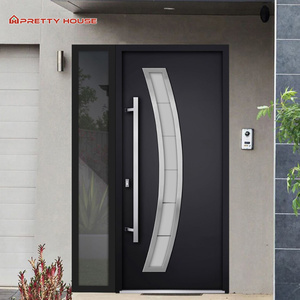
Aluminum French Soundproof Waterproof Entry Double Door
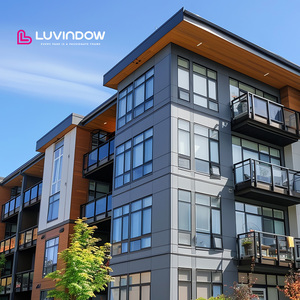
High Performance Thermal Break Aluminum Windows Double Glazed Soundproof Casement Windows for Hotel Apartment Projects
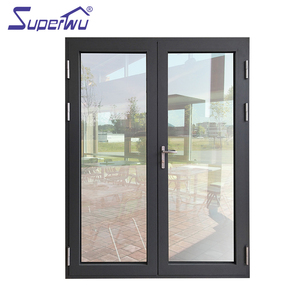
Aluminum Doors and Windows Suppliers Energy Saving Modern Designs Mobile Home Used French Doors
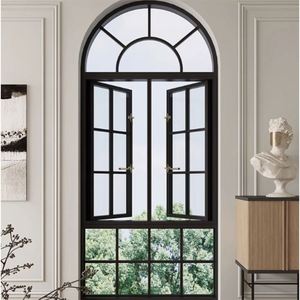
French House Custom Modern Aluminum Alloy Glass Windows With Stainless Steel Flyscreen And Louver Design
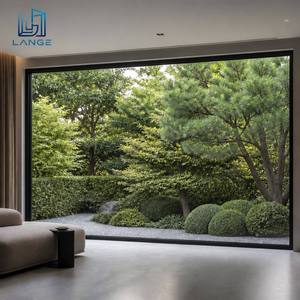
LANGE Elegant Minimalist Picture Window Fixed Glass Panel Sound Insulated Triple Pane Glass Window for Hotel
The Structural Anatomy of China-Engineered Hurricane Windows
Evaluating Chinese aluminum hurricane window manufacturers requires looking past surface aesthetics to scrutinize alloy metallurgy, pressure equalization chambers, glass-to-frame structural silicone adhesion, and cyclic wind testing. Here is how modern Foshan manufacturing achieves global compliance.
6063-T6 Structural Extrusions & Wall Thickness
Standard residential windows often utilize 1.2mm to 1.4mm aluminum profiles. In contrast, certified impact fenestration calls for minimum wall thicknesses between 2.0mm and 3.0mm, crafted strictly from primary ingot 6063-T6 or 6061-T6 aluminum alloys. The extrusion profiles incorporate internal webbing chambers designed using finite element analysis (FEA) to endure positive and negative design pressures (DP) exceeding 4500 Pascals (94 PSF) without permanent plastic frame deflection.
Laminated Glass: SGP (SentryGlas) vs PVB Interlayers
The primary shield against category 4 and 5 hurricane winds is laminated impact glass. While standard PVB (polyvinyl butyral) interlayers prevent shattering upon 9 lb timber 2x4 missile impact (ASTM E1996 Large Missile D), SentryGlas (SGP) ionoplast interlayers deliver five times the tear strength and up to 100 times the post-breakage rigidity. Even if exterior and interior lites crack under continuous impact, the SGP matrix remains standing in the frame, maintaining the building's airtight integrity and preventing internal roof blowouts.
Pressure Equalization & Continuous Sub-Sill Weeping
Water intrusion during hurricanes is propelled by intense pressure differentials, not simple gravity. Certified Chinese factories employ pressure-equalized rain-screen drainage mechanics. The internal sash chamber matches external air pressure instantaneously, neutralizing the force that pushes driven rain through weeps. Multi-tiered EPDM co-extruded vulcanized gaskets combine with concealed gravity drainage flappers to prevent siphon back-drafting during sustained winds up to 140+ knots.
| Performance Metric / Test | Standard Residential Window | DERCHI Heavy Hurricane Impact Window | International Standard Equivalent |
|---|---|---|---|
| Design Pressure (DP Rating) | DP20 – DP30 (approx. 1000 Pa) | DP65 – DP100 (3100 to 4800 Pa) | ASTM E330 / AS 2047 Serviceability & Ultimate (N6 / C4) |
| Impact Resistance (Missile Test) | Non-Impact / Tempered Only | 9 lb Timber 2x4 @ 50 ft/s (Large Missile D) | ASTM E1886 / E1996 • Miami-Dade TAS 201 |
| Cyclic Static Pressure | Not Conducted / Standard Infiltration | 9,000 Positive & Negative Pressure Cycles | ASTM E1996 • TAS 203 • Australian Cyclonic AS 4055 |
| Water Penetration Resistance | 150 – 250 Pa (Static Chamber) | 450 – 720 Pa (Cyclonic Storm Rated) | ASTM E547 / E331 • AS 2047 Water Test |
| Corrosion Resistance (Surface) | Standard Powder Coating (500 hrs) | Qualicoat Seaside / AAMA 2605 Fluorocarbon (3000 hrs) | ISO 9227 Neutral Salt Spray (NSS) / ASTM G85 |
Why Global Specifiers Partner with Guangdong Dejiyoupin (DERCHI)
Headquartered in the heart of China's advanced fenestration industrial zone in Foshan, Guangdong Dejiyoupin Doors and Windows Co., Ltd. (DERCHI) delivers vertically integrated R&D, precision automated extrusion processing, and laboratory-verified impact products across Oceania, North America, and the Caribbean.
Vertically Integrated 180,000 m² Facility
With an industrial footprint covering 180,000 square meters and over 600 master craftsmen, tooling engineers, and QC technicians, DERCHI exercises full custody control over the production supply chain. From in-house aluminum profile thermal-break knurling to automated German CNC multi-axis milling, every window sash and frame is assembled under ISO 9001 quality management standards.
Full Architectural Documentation & CAD/BIM
B2B procurement fails when shop drawings are vague. DERCHI eliminates installation friction by producing customized CAD shop drawings, connection detail schematics, anchor point calculations, and BIM models tailored directly to your local building code certifier. Structural schedules and wind pressure calculations are verified before raw materials are cut.
Dedicated Engineering Time-Zone Coverage
Our English-speaking project engineering teams operate across international commercial hours, supporting contractors in Australia, New Zealand, Florida, Hawaii, and the South Pacific. Clients receive real-time production tracking, transparent photo and video inspection milestone updates, and prompt technical support throughout design and fabrication.
Emerging Sourcing & Engineering Trends for 2026–2030
The global building envelope landscape is adapting to more intense cyclonic weather and stricter regional energy mandates. Discover how architectural buyers and commercial developers are future-proofing their fenestration procurement.
1. Convergence of Impact Armor & Ultra-Low U-Values
Historically, hurricane-impact windows sacrificed thermal performance in favor of structural glass thickness. Today's building codes (such as ASHRAE 90.1, California Title 24, and the Australian National Construction Code) demand total window U-values below 1.6 W/m²·K alongside SHGC ratings under 0.25. The market is rapidly moving toward multi-cavity thermal break extrusions with PA66GF25 polyamide insulation struts, warm-edge composite spacers, and argon-charged IGUs with an impact-laminated inboard lite.
2. Architectural Demand for Oversized Openings
Luxury coastal real estate demands expansive, floor-to-ceiling panoramic glass with minimal sightline clutter. Supplying multi-slide and pivot door systems over 3.5 meters high in hurricane zones requires advanced structural engineering. Top Chinese manufacturers integrate high-moment-of-inertia steel core reinforcements inside aluminum mullions, maintaining slender profiles while withstanding peak storm gusts.
3. Marine Fluorocarbon (PVDF) Surface Durability
Salt spray in coastal zones can quickly cause filiform corrosion beneath basic powder coatings. Modern commercial specs increasingly require AAMA 2605-compliant 70% Kynar 500 / Hylar 5000 PVDF fluorocarbon coatings or Qualicoat Seaside Class treatments. These industrial-grade finishes resist intense UV degradation, color chalking, and salt corrosion for 20 years or more.
Frequently Asked Questions for B2B Importers
Clear, direct answers regarding testing compliance, container packaging, customs documentation, and structural validation when sourcing direct from China.
Reputable tier-one factories partner with internationally accredited third-party testing laboratories (such as Intertek, NTA, or Australian NATA-accredited bodies). Test documentation includes unedited test reports specifying the exact profile die numbers, glass make-up, sealant brand (e.g., Dow Corning 983/995), anchor spacing, and the cyclic deflection curves recorded during dynamic wind and missile impact procedures.
Typical production lead times range from 30 to 45 business days once approved CAD shop drawings and glass schedule deposits are finalized. For specialized custom finishes (such as dual-color thermal extrusions or bespoke anodizing) or ultra-thick SGP glass, lead times can run 45 to 55 days. Ocean freight adds approximately 14 to 28 days depending on the destination port.
Heavy impact systems are protected using multi-layer packing protocols: blue PE protective surface tape on frames, high-density pearl cotton corner wraps, stretch-film moisture wrapping, and placement in fully enclosed, IPPC-certified fumigation-free solid plywood crates. Glass panels are separated by cork vibration pads and banded with high-tensile composite strapping for safe forklift and crane unloading.
Yes. High-performance hurricane systems rely heavily on multi-point locking gear to distribute positive and negative loads into the frame perimeter. DERCHI integrates original European hardware (e.g., Siegenia, Hoppe, Sobinco) as well as premium tier-one Asian brands (such as CMECH or Kinlong), complete with stainless steel 304/316 keeper plates and heavy-duty concealed hinges.
Every project crate is labeled with corresponding door/window schedule tags. We supply comprehensive installation manuals, anchor embedment calculations, sub-sill flashing diagrams, and perimeter sealing guides. For large-scale multi-family developments or commercial developments, our engineering team can conduct remote video conferences with site supervisors to review proper installation practices.