Featured Fenestration & High-Performance Solutions
Explore our precision-crafted architectural assemblies. Each system is subjected to finite element thermal analysis, structural wind-load simulations, and strict cyclic testing under harmonized standards.
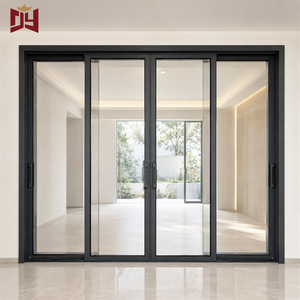
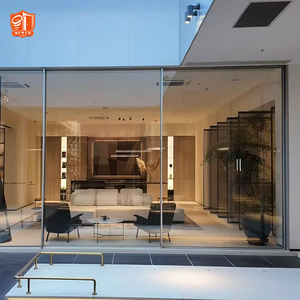
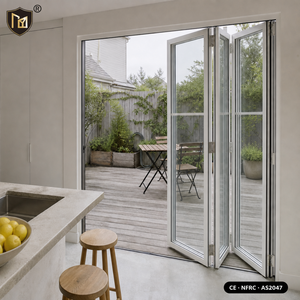
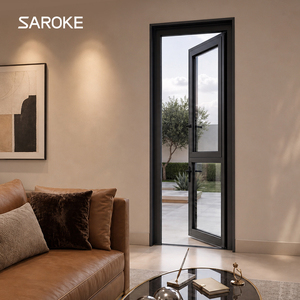
Engineering Principles of CE-Certified Bi-Fold Fenestration
Navigating EN 14351-1 harmonized European norms, AS 2047 Oceania cyclonic ratings, and modern building envelope thermodynamics.
Alloy Metallurgy & Polyamide Bar
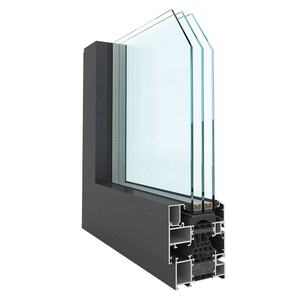
We utilize primary billet 6063-T6 architectural aluminium, engineered with minimum wall thicknesses of 2.0mm to 3.0mm. Profiles incorporate polyamide PA66 GF25 thermal breaks reinforced with 25% glass fibre, mitigating conductive energy loss and driving window system U-factors down to Uw ≤ 1.3 W/(m²·K) when combined with optimized Warm Edge IGU spacer bars.
Continuous Gasket Sealing Matrix
Unlike generic folding assemblies that suffer from corner draughts, our units utilize vulcanized, non-shrinkage EPDM or cellular silicone central co-extrusion seals. Tested against EN 12207 Class 4 air permeability and EN 12208 Class 9A water tightness (up to 900 Pa pressure differential), our systems provide superior barrier resilience against extreme squalls.
Heavy-Duty Running Assemblies
Folding mechanics demand robust structural dynamics. Our systems feature dual-wheeled, 4-roller 316 stainless steel bogie carriages operating inside cold-drawn extruded aluminium tracks. Load capacity exceeds 150 kg per sash, eliminating carrier wobble, panel sagging, and operational bind over a tested duty cycle of 50,000 continuous opening movements.
Direct-From-Factory Competency: Guangdong Dejiyoupin
Recognized among China’s top 10 premium architectural fenestration and door manufacturers, DERCHI operates complete end-to-end extrusion processing, CNC machining, automated finishing, and compliance staging under one roof.
AS 2047 & N6 Wind Rating
Independently certified to AS 2047, AS 1288, and EN 12210 Class C5. Our assemblies endure extreme static deflections, positive pressures up to 4500 Pa, and cyclonic wind conditions across coastal Australia, New Zealand, and hurricane-prone Pacific coastlines.
CAD & BIM Engineering Support
Eliminate site surprises. Our in-house technical department generates free, millimeter-exact CAD shop drawings, structural section calculations, mullion wind load verifications, and custom sub-frame integration plans before metal is cut.
Marine-Grade Finishes
Surface finishing options include Qualicoat Seaside-grade electrostatic architectural polyester powder coatings, 25-micron anodic oxidation, and high-performance PVDF (fluorocarbon) systems, delivering 3000-hour salt spray resistance in coastal regions.
Export Crating & Logistics
FCL & LCL shipments are individually strapped, protected with polyethylene film, corner-guarded, and secured in non-fumigation plywood crates matching DAFF/MPI biosecurity quarantine regulations for rapid customs clearance across global ports.
Emerging Trends in Global Aluminium Window Sourcing
Key technical vectors dictating commercial, multi-residential, and high-end residential specifications over the 2025–2030 building cycle.
1. Stringent Decarbonization & EPD Mandates
International buyers are shifting focus from standalone thermal conduction metrics to whole-lifecycle Environmental Product Declarations (EPD). Modern tenders require low-carbon primary aluminium extruded using hydroelectric power sources, paired with fully circular, cradle-to-cradle recyclable structural alloys to comply with net-zero European standards and green building taxonomy.
2. Ultra-Narrow Sightlines & Structural Glazing
Architectural preference heavily favors ultra-slim visible mullion widths (< 45mm visible profiles) while accommodating heavier insulating glass packages. By integrating stepped-edge structural silicone bonding, the glass itself contributes to the panel’s lateral torsional rigidity, allowing monumental panel heights up to 3.5 meters without structural flutter.
3. Smart Fenestration & Mechatronic Drives
Commercial and luxury developments increasingly specify concealed motorized drives, electronic multi-point latching, and integrated micro-switches for building management system (BMS) connectivity. Windows can automatically articulate based on indoor air quality (CO₂ monitoring), wind-speed sensors, and HVAC pre-cooling cycles.
Frequently Asked Questions for B2B Importers
Clear, technically verified guidance on standards conformity, hardware selection, and import mechanics.