Integrated Factory Base
OEM / ODM Precision Export
Patents & Global Lab Certs
Master Craftsmen & Engineers
Featured Architectural Door Systems Engineered for Japan
Factory-direct fenestration assemblies rigorously tested for wind load resistance, air-tightness, thermal isolation, and high-duty mechanical endurance.
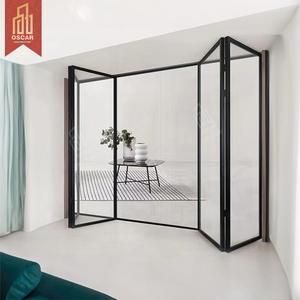
Aluminium Accordion Folding Mosquito Net Door
Versatile space-saving folding screen door engineered with heavy-gauge extruded tracks and ultra-fine mesh for residential and office openings.
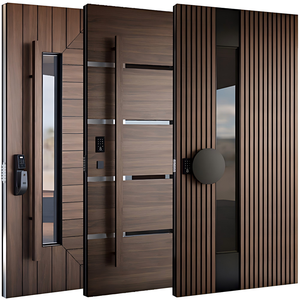
Custom Security Fingerprint Wood Aluminum Entry Door
Solid architectural hardwood interior with exterior cladding and biometric fingerprint multi-point locking mechanisms for luxury apartments and villas.
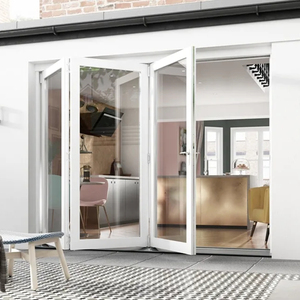
Modern Black Aluminum Double Glazing Bifold Doors
Constructed with German Kerssenberg hardware, insulated tempered glass, and anodized matte black profile finishes for courtyard terraces.
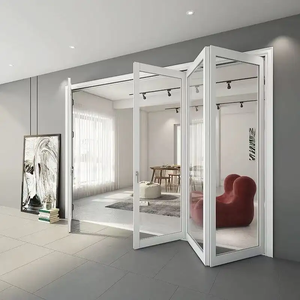
Contemporary Bifold Collapsible Glass Partition
Ultra-slim frame profiles with flush floor tracks and concertina folding action, ideal for flexible spatial division in commercial and residential layouts.
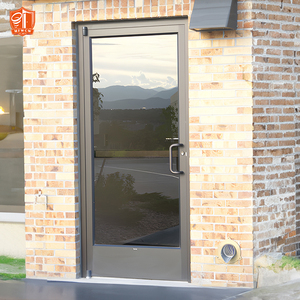
Thermal Double Glazing Commercial Exterior Doors
Heavy-duty thermal-break commercial shopfront doors with sound attenuation seals and double-glazed low-E safety glass for retail and commercial premises.
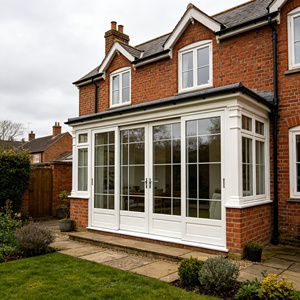
Thermal Break Heritage Style Sliding Door
European classic grid bars integrated with high-efficiency thermal breaks and multi-chamber sealing, bridging retro aesthetics and modern insulation.
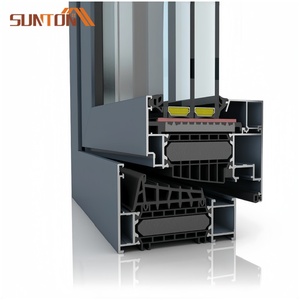
Double Glazed Thermal Break Casement Window & Door
Multi-point compression locking offering high acoustic insulation, hurricane-grade waterproofing, and micro-ventilation settings.
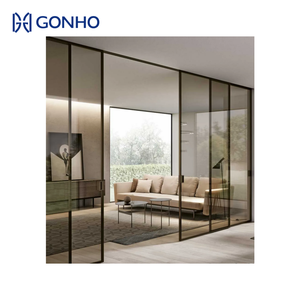
Hurricane Impact Slim Trackless Glass Sliding Door
Reinforced architectural aluminum profiles engineered for typhoon impact zones, incorporating barrier-free flush thresholds and smooth glide rollers.
Engineering Aluminum Clad Wood Doors for Nagoya’s Industrial & Climatic Demands
The Greater Nagoya metropolitan area—encompassing Aichi, Gifu, and Mie prefectures—represents the economic heartbeat of Japanese manufacturing and advanced engineering. However, the architectural ecosystem of Nagoya presents unique thermodynamic and meteorological challenges for building envelopes. Positioned in the Nobi Plain, Nagoya experiences intense seasonal swings: blistering, humid summers with ambient temperatures frequently eclipsing 38°C and relative humidity exceeding 80%, juxtaposed against biting winter temperatures driven by the cold, dry Ibuki-oroshi (伊吹颪) katabatic winds descending from the Ibuki Mountains.
Standard architectural fenestration systems often fail over long exposure cycles under these harsh extremes. Conventional all-aluminum systems exhibit high thermal bridging, inducing winter condensation that damages interior drywall, tatami mats, and wood finishes. Conversely, bare wooden doors suffer from surface warping, dimensional swelling, and UV degradation caused by relentless summer sun and typhoons sweeping in from the Pacific. OEM/ODM Aluminum Clad Wood Doors engineered by Guangdong Dejiyoupin Doors and Windows Co., Ltd. (DERCHI) solve this challenge through a decoupled structural design: structural interior timber shielded by exterior marine-grade, powder-coated aluminum cladding connected via precision composite snap-clips that permit independent thermal expansion without bowing.
Technical Fenestration Architecture Comparison: Standard vs. Engineered Systems
Architects, general contractors (Zenecon), and developers across Nagoya’s Sakae, Meieki, and Hoshigaoka districts demand empirical performance metrics. Below is an engineering comparison illustrating the compliance of DERCHI aluminum clad wood systems with Japan's rigorous building codes:
| Performance Metric | Standard Aluminum Sliding Door | Traditional Solid Wood Door | DERCHI OEM/ODM Alum-Clad Wood Door | JIS / Japanese Standard Level |
|---|---|---|---|---|
| Thermal Transmittance (U-Value) | 3.2 – 4.5 W/(m²·K) (Poor) | 1.9 – 2.4 W/(m²·K) (Moderate) | 0.85 – 1.30 W/(m²·K) (Superior) | Exceeds JIS A 4710 Grade H-6 (Energy Saving Law 2025 Standard) |
| Air Tightness (Air Infiltration) | JIS A 4702 Grade A-2 | JIS A 4702 Grade A-1 / Unrated | JIS A 4702 Grade A-4 (0.01 m³/h·m²) | Minimizes winter drafts and Ibuki-oroshi dust infiltration |
| Water Penetration Resistance | 250 – 350 Pa (Wind rain leakage) | 150 – 250 Pa (Vulnerable) | Above 700 Pa (AS 2047 / JIS W-5 compliant) | Withstands Pacific Ise Bay typhoons & torrential rain |
| Sound Attenuation (STC / Rw) | 26 – 30 dB | 28 – 32 dB | 38 – 44 dB (Multi-chamber acoustic rubber) | JIS T-3 / T-4 Grade (Acoustic barrier for urban rail lines) |
| Wood Moisture Stability | N/A | Swelling / warping up to 8% | Triple finger-joint laminated, MC < 10% | Zero shrinkage under controlled relative humidity cycles |
By pairing high-grade North American White Oak, European Larch, or sustainably harvested Japanese Sugi / Hinoki interior veneers with German Kerssenberg multi-point locking hardware, our custom door systems deliver an unmatched tactile luxury while maintaining an impervious exterior defense line against environmental degradation.
Architectural Use-Cases Across the Greater Nagoya Urban Fabric
From historical machiya renovations to luxury residential towers, our bespoke fenestration adapts seamlessly to Nagoya’s urban typology.
Modern Sukiya-Zukuri Villas in Yagoto & Kakuozan
The prestigious hilly districts of Showa and Chikusa wards require subtle integration of organic timber warmth with modern thermal performance. Our aluminum clad wood pivot and sliding configurations feature custom interior Hinoki (Japanese Cypress) finishes that match tatami rooms and minimalist timber engawa balconies, while providing exterior fluorocarbon corrosion barriers.
Low-Carbon Commercial Boutiques in Sakae & Meieki
Nagoya’s downtown luxury retail nodes and corporate showrooms demand high-cycle commercial door hardware with exceptional thermal envelope efficiency. DERCHI provides custom commercial bifold and oversized pivot entrances engineered with German multi-point gearboxes that smoothly handle 400kg leaf weights without sagging, lowering retail HVAC expenditure.
Coastal Port & Industrial Envelopes in Minato Ward
Properties along the Port of Nagoya face persistent marine atmospheric salt aerosols and high wind shear during summer typhoons. Our marine-grade 6063-T6 aluminum exterior cladding, treated with 80μm Qualicoat Class 2 fluorocarbon powder coatings, achieves superior salt-spray corrosion resistance, protecting natural timber structures from moisture rot.
Key Trends Driving Aluminum Clad Wood Door Adoption in Japan
Understanding the legislative shifts and consumer expectations redefining fenestration procurement across the Chubu region.
2025 Mandatory Zero Energy House (ZEH) Standards
Japan's Revised Building Energy Efficiency Act makes thermal insulation standards compulsory for all new residential builds by 2025. Standard aluminum profiles can no longer achieve the stringent U-value thresholds without thermal decoupling. Aluminum clad wood doors naturally exceed ZEH requirements, delivering high baseline insulation with a low carbon footprint.
Strict Fire-Prevention Zone (防火地域) Compliance
Dense urban centers like Nagoya enforce stringent quasi-fire and fire-prevention zoning under Article 61 of the Building Standard Law. Our OEM engineering integrates wire-reinforced or ceramic-coated fire-resistant glazing and certified intumescent graphite fire-expandable gaskets that seal the door frame during thermal exposure.
Demand for Smart Biometric Integration
High-income homeowners in Nagoya's prime residential districts favor smart home ecosystems. DERCHI offers factory-integrated smart access solutions—such as concealed wiring channels, electromagnetic strikes, and fingerprint/NFC recognition locks—that blend cutting-edge access control with natural timber elegance.
Sustainable Biophilic Interior Architecture
The Japanese aesthetic philosophy of Mitate and harmony with nature is fueling demand for genuine interior timber surfaces in high-end developments. Aluminum clad wood doors satisfy biophilic interior design criteria without exposing vulnerable wood components to exterior rot, insects, or weathering.
Guangdong Dejiyoupin (DERCHI): Engineered for Exacting Japanese Standards
Recognized among China’s top 10 premium door and window manufacturers, Guangdong Dejiyoupin Doors and Windows Co., Ltd. brings over 25 years of integrated fenestration engineering to international markets. Spanning a 180,000 square meter state-of-the-art intelligent manufacturing base in Foshan, we maintain complete control over raw material procurement, precision timber kiln drying, aluminum extrusion machining, surface coating, and computerized CNC assembly.
-
End-to-End Timber Conditioning: Timber moisture content is precisely stabilized between 8%–12% in computerized drying kilns, followed by three-layer staggered finger-joint lamination to eliminate warping risks.
-
Global Testing & Certifications: Fully certified to ISO 9001, CE, AS 2047 (achieving N6 wind ratings), and equipped with comprehensive lab test reports for immediate local architectural certifier approval.
-
Full-Spectrum OEM/ODM Customization: We supply bespoke CAD shop drawings, BIM families, custom threshold details, and hardware matching to meet Japanese residential door schedules.
-
Direct Sea Freight to the Port of Nagoya: Fast container shipping routes from Foshan/Shenzhen to the Port of Nagoya with export-grade fumigated wooden crating.


Frequently Asked Questions for Nagoya Door Importers
Practical answers regarding Japanese customs, JIS testing, fire zoning, logistics, and on-site assembly.
How do DERCHI aluminum clad wood doors comply with Japan’s Building Standard Law (Kenchiku Kijun-hō)?
How do you prevent the natural timber from warping during Nagoya’s humid summer rainy season (Tsuyu)?
Can DERCHI supply custom CAD shop drawings, BIM models, and Japanese hardware mortising?
What are the lead times and shipping procedures for sea freight to the Port of Nagoya?
How does DERCHI support local Japanese installation crews on job sites?
Ready to Engineer High-Performance Fenestration for Your Nagoya Project?
Whether you are sourcing custom aluminum clad wood entrance doors for an exclusive villa development in Kakuozan or outfitting a commercial complex in Sakae, our engineering specialists will provide comprehensive CAD drawings, U-value calculations, and transparent B2B pricing within 24 hours.