Featured Architectural Aluminium Door & Window Solutions
Specified for high-rise commercial facades, waterfront luxury villas in Palm Jumeirah, and commercial properties across Dubai, Abu Dhabi, Sharjah, and Ras Al Khaimah.
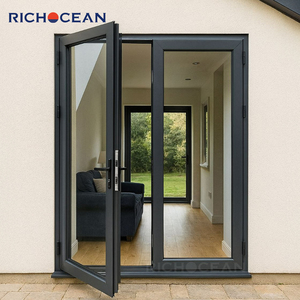 Heavy Duty Pivot/French
RICHOCEAN Commercial Hurricane Impact Triple Glass French Double Doors
Engineered for extreme wind pressure up to 4500 Pa with polyamide thermal isolators, insulated triple-glazed acoustic barriers, and multi-point perimeter security locking.
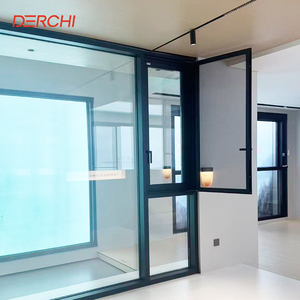 Minimalist Slimline
Minimalism Ultra Slim Double Glazed Fixed & Casement Architectural Windows
Ultra-narrow 28mm visible profile designed for panoramic daylight harvesting while keeping desert thermal radiation outdoors with reflective solar-control coatings.
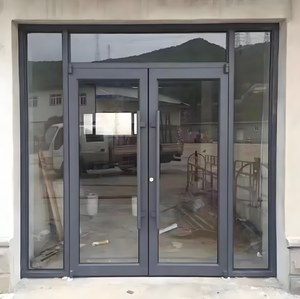 Smart Storefront
Commercial Aluminium Impact Smart Switchable Glass Storefront Entrance Doors
High-traffic retail and office exterior systems equipped with PDLC smart switchable privacy glass, biometric integration, and heavy-duty concealed German floor springs.
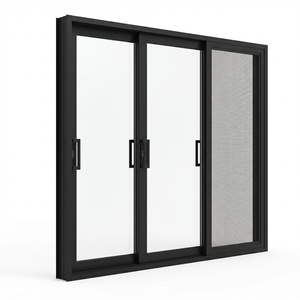 Panoramic Slider
Three Track Six Panel Panoramic Sliding Glass Doors with High-Strength Mesh
Flush floor threshold with hidden drainage troughs preventing sand and storm-water ingress during desert squalls, featuring seamless stainless steel roller bearings.
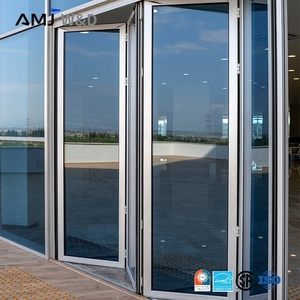 Bi-Folding Accordion
Exterior Heavy Duty Double Low-E Glass Aluminium Folding Bifold Patio Doors
Creates uninterrupted clear spans of up to 12 meters for luxury indoor-outdoor living, with heavy-gauge bottom rollers engineered to resist sand dust clogging.
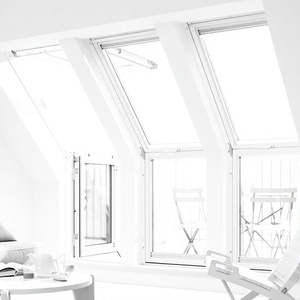 Architectural Skylight
Modern Folding Rooflight & Attic Glazed Pivot Balcony Windows
Transforms rooftop penthouses with automated motorized opening sensors, rainwater detectors, and solar reflective ceramic frit glass stopping direct solar radiation.
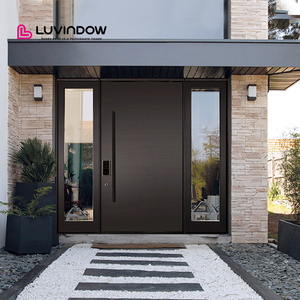 Grand Villa Pivot
Modern Luxury Villa Black Profile Heavy Pivot Front Entry Doors
Oversized monolithic grand entries up to 4m height with magnetic air-tight seals, Italian pivot hinge gear supporting up to 800kg leaf weight, and 3D cast accents.
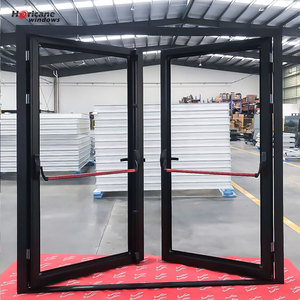 Emergency Panic Exit
NOA Certified Quick Escape Panic Push Glass Commercial Aluminium Doors
Compliance-ready emergency egress doors equipped with UL-listed stainless crash bars, fire-rated acoustic seals, and impact glazing designed for UAE public buildings.
Thermal Dynamics & Structural Fenestration Specifications for the UAE Built Environment
Building in the United Arab Emirates poses one of the most demanding environmental challenges in modern architectural engineering. fenestration systems (windows, glazed curtain walls, entrance portals, and sliding systems) act as the primary barrier between extreme ambient desert temperatures reaching upwards of 52°C (126°F) and the controlled, air-conditioned indoor comfort demanded by luxury residential and commercial occupants. When procuring architectural aluminium fabrication from China to the UAE, specifiers cannot settle for standard commercial extrusions. Fenestration systems must be meticulously engineered to mitigate the triple threats of extreme solar radiant heat gain, high velocity sand-bearing winds (Shamal storms), and aggressive coastal atmospheric salinity along the Arabian Gulf and Sea of Oman.
1. Thermal Break Architecture & Glass Spectral Performance
The building codes in the UAE—specifically the Dubai Green Building Regulations (Al Sa'fat) and Abu Dhabi's Estidama Pearl Building Rating System (PBRS)—mandate stringent fenestration thermal transmittance thresholds. To prevent massive HVAC energy loss and interior condensation, our export-grade aluminium systems incorporate continuous, multi-chambered Polyamide PA66 GF25 (25% glass fibre reinforced) thermal barrier strips with depths ranging from 24mm to 34mm.
Unlike uninsulated extrusions that conduct heat almost instantly, our thermal break frames reduce thermal bridging by over 80%. When coupled with state-of-the-art insulated glass units (IGU)—consisting of double or triple silver soft-coat Low-E panes with warm-edge composite spacers and 90% argon gas fill—our systems comfortably achieve an overall fenestration U-value below 1.3 W/m²K and a Solar Heat Gain Coefficient (SHGC) fine-tuned between 0.18 and 0.24, maximizing natural visual daylight transmission (VLT > 45%) while rejecting up to 82% of total solar infrared energy.
| Performance Characteristic | Dubai / UAE Municipality Standard | DERCHI High-Performance Specification | Engineering Benefit for UAE Projects |
|---|---|---|---|
| Frame Thermal Transmittance (Uf) | ≤ 2.2 W/m²K (Al Sa'fat Silver/Gold) | 0.95 – 1.40 W/m²K (PA66 GF25 Isolators) | Cuts villa AC chiller electric load by up to 34% annually. |
| Solar Heat Gain Coefficient (SHGC) | ≤ 0.25 (Non-shaded glazed zones) | 0.19 – 0.22 (Double Silver Low-E Glass) | Blocks scorching infrared heat; prevents interior overheating. |
| Wind Load Resistance (Design Pressure) | 1.8 kPa to 2.5 kPa (Coast/Mid-rise) | Class N6 / DP70 (Up to 4.5 kPa Tested) | Withstands seasonal Shamal gales and high-rise gust vortices. |
| Air Infiltration Rating | ≤ 1.5 m³/(h·m²) at 100 Pa | ≤ 0.1 m³/(h·m²) (Tri-EPDM Co-extrusion) | Zero fine particulate (PM2.5/PM10) desert dust penetration. |
| Corrosion & Salt-Spray Resistance | 1,000 hrs ASTM B117 Neutral Salt | 3,000+ hrs Qualicoat Seaside Class 2 / PVDF | Impervious to Arabian Gulf saline air and coastal corrosion. |
2. Desert Micro-Sealing & Sandstorm (Shamal) Defence
A frequent issue encountered by UAE developers sourcing inferior fenestration is the accumulation of fine desert sand within sliding tracks and between sash seals, leading to jammed hardware, premature roller wear, and severe air leakage. Our fabrication facilities utilize vulcanized, co-extruded multi-fin cellular EPDM (Ethylene Propylene Diene Monomer) compression gaskets combined with continuous silicone corner boots. For sliding and bi-folding mechanisms, we integrate elevated, inverted stainless steel V-tracks with concealed pressure-equalized cascade drainage slots. This geometric configuration ensures that blowing sand and debris fall away from the kinetic contact points while driving rain is immediately discharged outside via multi-chambered one-way valve weeps.
3. Marine & Extreme UV Surface Finishing (Qualicoat Seaside & PVDF)
The UAE solar index consistently peaks above Level 11 for over six months each year, accompanied by relative humidity surpassing 85% in coastal regions like Dubai Marina, Palm Jumeirah, and Abu Dhabi Corniche. Conventional polyester powder coats degrade, chalk, and blister within 24 to 36 months under such harsh conditions. At our Foshan manufacturing base, every aluminium profile destined for the Middle East undergoes strict multi-stage pre-treatment (chromate-free conversion coating) followed by Qualicoat Seaside Class 2 architectural fluorocarbon powder or three-coat, two-bake 70% Kynar 500 PVDF (Polyvinylidene Fluoride) electrostatic wet spraying. This guarantees exceptional color retention (ΔE < 2.0 after 10 years), chalk resistance, and chemical immunity to coastal sea salts.
Tailored Applications Across the Seven Emirates
From prestigious private villas on Pearl Jumeirah to high-footfall hospitality developments in Ras Al Khaimah, our aluminium fabrication systems are customized for diverse UAE architectural demands.
1. Ultra-Luxury Waterfront Residences
Locations: Palm Jumeirah, Jumeirah Bay Island, Dubai Hills Estate, Saadiyat Cultural District (Abu Dhabi).
Fenestration Demands: Expansive floor-to-ceiling panoramic glass walls, motorized minimal frame sliding systems with recessed bottom tracks, oversized pivoting grand entry doors reaching 4.5m heights with fingerprint biometric smart lock integration and marine-grade anti-corrosive finishes.
2. Commercial Towers & Flagship Retail
Locations: DIFC, Downtown Dubai, Al Maryah Island, Business Bay, Sheikh Zayed Road commercial corridors.
Fenestration Demands: NOA-certified impact storefront glass systems, heavy-duty smart PDLC switchable privacy glass, automatic sensor-operated sliding entrances, and UL-tested panic exit safety doors capable of withstanding millions of high-frequency pedestrian operating cycles.
3. Desert Estates & Luxury Hospitality Resorts
Locations: Al Badayer, Bab Al Shams surroundings, Sir Bani Yas, Ras Al Khaimah beach and mountain villas.
Fenestration Demands: Thermally insulated double Low-E bi-folding accordion doors opening indoor living areas to exterior courtyards, motorized awning rooflights with optical rain/sand sensors, and acoustic laminates neutralizing wind turbulence and sand scouring noises.
Key Emerging Trends in the UAE Fenestration Industry
How progressive architecture in Dubai and Abu Dhabi is driving the evolution of custom aluminium fabrication.
Ultra-Slim Visible Sightlines
Architects are replacing bulky 80mm window mullions with structural 20mm–28mm interlocks, maximizing the glazed vision area and integrating concealed frames directly into surrounding masonry plaster.
Net-Zero & Passive Solar Compliance
Driven by the UAE’s "Net Zero 2050" initiative, developers now demand documented life-cycle assessments (LCA) and low-embodied-carbon recycled 6063 aluminium profiles with thermal breaks surpassing standard building codes.
Smart Building & IoT Integration
Automated opening actuators tied directly into KNX, Crestron, or Control4 home automation systems, enabling motorized sliding doors and skylights that close automatically upon detecting sand squall conditions.
Cast Monolithic Artistry
Growing appetite for sculpted cast aluminium entrance portals combining heavy structural security with bespoke arabesque, geometric, and contemporary brushed architectural patterns.
Why Middle Eastern Contractors & Specifiers Partner with DERCHI
Operating from our massive 180,000 m² smart manufacturing base in Foshan, Guangdong—the global epicenter of precision aluminium extrusion and fenestration technology—Guangdong Dejiyoupin Doors and Windows Co., Ltd. (DERCHI) represents over 25 years of end-to-end manufacturing excellence. By maintaining full operational control over profile extrusion, CNC machining, automated corner crimping, surface anodizing, powder coating, double/triple glazing assembly, and pre-dispatch testing, we deliver distinct cost and precision advantages to UAE projects.
Our English-fluent fenestration engineers translate architectural elevation plans and door schedules into detailed shop drawings, structural wind load calculations, and BIM Revit files for municipality submittals.
From ultrasonic wall-thickness scanning of 6063-T6 alloy to helium glass seal testing and laser-guided diagonal calibration (≤ 0.5mm variance), each unit receives photographic inspection reports before packing.
All shipments are packaged in non-fumigated steel-reinforced, foam-lined wooden crating with desiccants, ensuring zero transit moisture damage and fast customs clearance across all UAE maritime terminals.
Frequently Asked Questions by UAE Contractors & Importers
Technical, logistical, and commercial guidelines for importing architectural aluminium doors and windows from China to the United Arab Emirates.
Do your aluminium doors and windows comply with Dubai Municipality (Al Sa'fat) and Estidama standards?
What surface treatment is recommended to prevent coastal corrosion in Dubai Marina or Palm Jumeirah?
How do you protect oversized glass panels and aluminium frames during container shipping to Jebel Ali?
Can you manufacture custom-sized grand pivot doors up to 4 meters tall for private villas?
What is the standard production and shipping lead time from Foshan to the United Arab Emirates?
Do you supply shop drawings and structural engineering calculations for local civil consultants?
Empower Your UAE Construction Project with China’s Leading Fenestration Engineering
Direct manufacturer pricing, bespoke architectural fabrication, zero third-party markups, and dedicated engineering consultation for builders, architects, and luxury villa owners across Dubai, Abu Dhabi, and the GCC.
Get Catalog