High-Performance Swing & Casement Systems
Engineered with precision thermal breaks, anti-corrosive powder finishes, and heavy-duty European hardware tailored for the harsh Southern African climate.
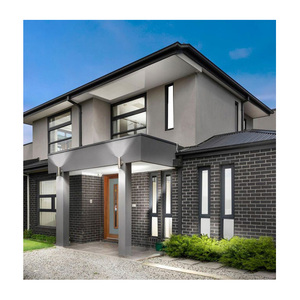
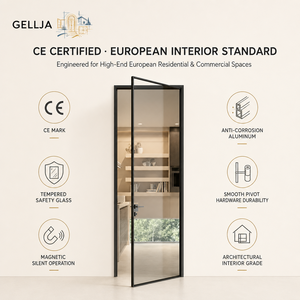
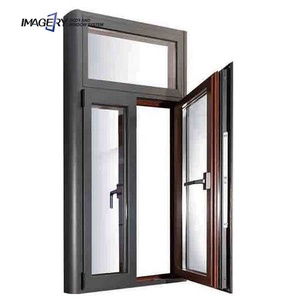
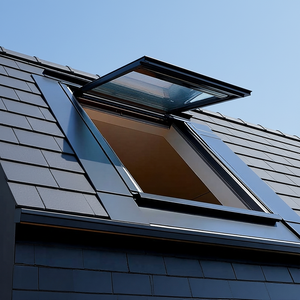
South African Architectural Fenestration Standards
A rigorous engineering approach to structural load resistance, SANS 10400-XA thermal compliance, and coastal atmospheric classifications.
Climatic Complexity & Fenestration Mechanics
Specifying aluminium glass swing doors across South Africa demands an engineering perspective that accounts for radical microclimates. The high-altitude interior plateaus of Gauteng and the Free State subject fenestration to severe diurnal temperature swings, intense UV irradiance exceeding 2200 kWh/m² annually, and sudden summer convective storms characterized by golf-ball hail. In contrast, the littoral corridors of KwaZulu-Natal and the Western Cape demand extreme resistance to aggressive marine aerosol (ISO 9223 Category C4/C5 corrosion) paired with cyclonic wind-driven rain.
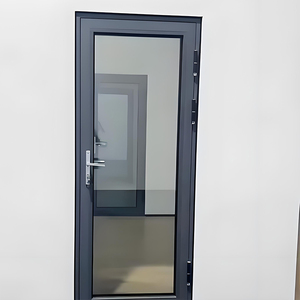
Our aluminium swing doors incorporate 6063-T6 architectural-grade structural billets with a minimum web profile thickness of 2.0mm to 3.0mm on active leaves. This guarantees deflection limitation within L/175 parameters when subjected to extreme positive and negative gust pressures along exposed coastal ridgelines such as Camps Bay, Ballito, or Port Elizabeth.
Regulatory Compliance Insight: In accordance with SANS 10400-XA (Energy Usage in Buildings) and SANS 204, all fenestration assemblies must demonstrate certified U-values and Solar Heat Gain Coefficients (SHGC). Our polyamide thermal break profiles seamlessly achieve U-values down to 1.6 W/m²K, optimizing building envelopes against recurring power grid challenges.
Surface Protection & Hardware Resilience
A major failure vector for imported fenestration across coastal South Africa is galvanic corrosion of hardware components and filiform corrosion along raw aluminium cut ends. To counter this, every swing system exported to the South African market undergoes rigorous surface preparation: either minimum 25-micron anodic oxidation (AA25 architectural grade) or Qualicoat Class 2 certified exterior fluorocarbon/polyester powder coating capable of surviving 3,000 hours of continuous neutral salt spray testing.
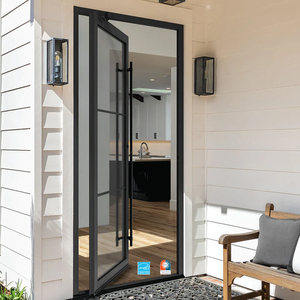
For perimeter security—an essential requirement for residential estates throughout Sandton, Pretoria East, and Umhlanga—our doors are outfitted with European multi-point locking gear fabricated entirely from Grade 304 or marine-grade 316 stainless steel. Multi-point mushroom cam latches and hardened steel shoot bolts interlock with reinforced frame keeps, resisting forced mechanical prying and heavy pry-bar displacement.
Safety glazing complies strictly with SANS 1263-1 Building Regulations. Panels utilize toughened Grade A safety glass or PVB laminated acoustic assemblies, safeguarding occupants against accidental human impact, severe mechanical stress, and airborne storm debris.
| Performance Attribute | South African Standard Requirement | DERCHI Engineered System Specification | Strategic Benefit for Local Specifiers |
|---|---|---|---|
| Thermal Transmittance (U-Value) | SANS 10400-XA Zone 1-6 Compliance (≤ 3.5 W/m²K) | 1.4 – 1.8 W/m²K (Polyamide PA66 Thermal Break) | Reduces HVAC electrical load during rolling blackouts; maintains indoor comfort. |
| Corrosion Resistance Class | SANS 999 / Qualicoat (Coastal C4/C5 Maritime) | Qualicoat Class 2 / AA25 Anodised Finish (3000h Salt Spray) | Eliminates pitting and surface blistering in salt-spray zones like Durban and Atlantic Seaboard. |
| Structural Wind Load Resistance | SANS 613 / SANS 10160 (1500 Pa – 2500 Pa Design) | Tested up to 3500 Pa Ultimate Limit State (N6 Rated) | Withstands extreme south-easterly "Cape Doctor" winds and Highveld storm surges without deflection. |
| Safety Glazing & Impact | SANS 1263-1 (Human Impact Criteria) | 400 Joules Toughened / 1.52mm PVB Laminated Glass | Prevents shrapnel injury; acts as a structural deterrent against intrusion attempts. |
| Infiltration & Water Tightness | SANS 613 Air/Water Tightness Protocols | EPDM Continuous Co-extruded Triple Gaskets (600 Pa) | Total prevention of water ingress during horizontal wind-driven maritime downpours. |
South African Application Scenarios
From ultra-secure gated estates in Johannesburg to exposed coastal cliffs in Cape Town, our swing doors integrate seamlessly into South Africa's diverse building typologies.
Luxury Gated Estates
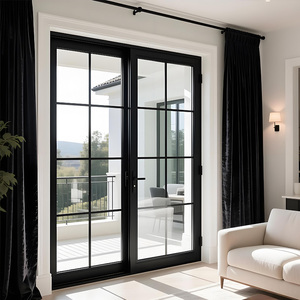
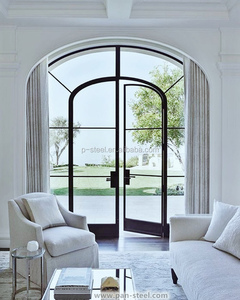
Specified extensively in prestigious developments like Steyn City, Waterfall Estate, and Val de Vie. These properties demand grand-format swing doors with slimline Crittall-inspired profiles that combine expansive glass apertures with biometric access control, smart home automation, and reinforced intrusion resistance.
Atlantic Seaboard & Coastal Villas
Homes in Clifton, Camps Bay, and Umhlanga face direct, relentless ocean salt spray and extreme wind shear. Our marine-grade anodized swing doors feature heavy-duty 316 stainless friction hinges, concealed drainage sub-sills, and acoustic laminated double glazing that insulates against both howling coastal winds and ambient surf noise.
Safari Lodges & Conservation Eco-Estates
Eco-developments in the Lowveld and Waterberg prioritize seamless indoor-outdoor transition with low carbon footprint envelopes. Thermal break aluminium French swing doors preserve interior conditioned air, block scorching bushveld heat, and feature specialized solar control Low-E glass that safeguards interior fabrics from UV degradation.
Commercial Entrances & Retail
High-traffic commercial headquarters across Sandton and Century City require robust double-action swing doors capable of millions of operational cycles. Outfitted with Dorma or Geze heavy-duty overhead concealed closers and panic egress hardware, these doors maintain thermal integrity while handling immense pedestrian traffic.
Emerging Fenestration Trends in South Africa
Key technological, regulatory, and aesthetic shifts shaping aluminium swing door procurement among South African architects, property developers, and main contractors.
Load-Shedding & Passive Thermal Resilience
With intermittent power grid reliability, architects in South Africa are aggressively designing for passive thermal stability. High-performance double glazed aluminium swing doors utilizing warm-edge spacer bars and argon gas fills act as thermal barriers, maintaining interior comfort without heavy relying on active air conditioning during power outages.
Narrow-Sightline Minimalist Aesthetics
The rise of contemporary industrial architecture in Cape Town's City Bowl and Johannesburg's northern suburbs has surged demand for ultra-narrow sightline doors. Modern French swing doors with 38mm visible frame widths provide the classic aesthetic of heritage Crittall steel doors without the severe weight, rust susceptibility, and high fabrication costs.
Integrated High-Security Fenestration
The traditional South African approach of installing unsightly exterior burglar bars over premium glass doors is rapidly declining. Discerning property owners now insist on integrated architectural security: heavy-gauge extruded frames, multi-point perimeter hooks, anti-lift internal glazing beads, and P6B laminated intrusion-resistant safety glass.
Guangdong Dejiyoupin Doors & Windows (DERCHI)
A global leader in bespoke fenestration manufacturing, bringing 25+ years of engineering rigor, automated extrusion processing, and export compliance directly to the South African market.
Direct-from-Factory Value for South African Developers
By bypassing multiple intermediary layers, DERCHI offers property developers, quantity surveyors, and architectural studios across South Africa high-specification fenestration systems at exceptionally competitive factory-gate pricing. Our extensive facility in Foshan houses German-engineered CNC machining centers, fully automated powder-coating lines, and specialized assembly bays dedicated strictly to international export schedules.
Every bespoke swing door project receives full pre-production structural review. Our in-house technical team produces free CAD shop drawings, glass wind-load calculation sheets, and hardware layout templates matched precisely to your project door schedules. This eliminates on-site installation snags and ensures flawless integration with concrete lintels and structural masonry openings.
Ocean Freight Consolidation to Durban & Cape Town
Navigating maritime logistics to Southern Africa requires robust packaging and careful documentation. Every DERCHI door leaf and frame assembly is sealed in moisture-barrier film, protected by high-density polyethylene edge protectors, and securely packed inside fumigated, solid timber crates engineered to withstand rough rail haulage between Durban Container Terminal and inland container depots such as City Deep in Johannesburg.
We provide full customs clearance documentation, including Commercial Invoices, Packing Lists, Certificates of Origin, and mill test certificates verifying aluminium alloy purity and surface finish micron thicknesses. This ensures swift customs processing through the South African Revenue Service (SARS) customs portal.
South African Importers & Specifiers FAQ
Comprehensive answers addressing regulatory compliance, shipping logistics, structural durability, and installation across Southern Africa.
Do DERCHI aluminium swing doors comply with SANS 10400-XA and SANS 613?
Yes. Our door systems are engineered and tested to international standards including AS 2047 (rated up to N6), CE, and ISO 9001, which correlate directly with SANS 613 structural deflection and water ingress protocols. We supply comprehensive technical dossiers and fenestration calculation certificates to allow your appointed structural engineer or local council building inspector to sign off Form 2 and Form 4 approvals without friction.
What is the standard ocean freight transit time to South African ports?
Direct ocean vessels departing from Shenzhen or Guangzhou ports typically take 22 to 28 days to berth at the Port of Durban, and approximately 28 to 34 days to reach Cape Town Container Terminal (CTCT). We handle both Full Container Load (FCL) shipments for large residential or commercial developments and Less than Container Load (LCL) shipments for boutique custom villas, coordinating seamlessly with local freight forwarders.
How do your doors resist severe coastal corrosion in Durban and Cape Town?
For installations within 5 kilometers of the shoreline, we specify marine-grade 6063-T6 aluminium treated with a 25-micron anodic coating (AA25) or Qualicoat Class 2 exterior powder coating. All assembly fasteners, corner braces, and multi-point lock mechanisms are fabricated from AISI 304 or 316 stainless steel to ensure zero galvanic reaction and prevent unsightly brown salt pitting.
Can you accommodate custom door frame depths to fit South African cavity walls?
Absolutely. South African external walls are predominantly double-skin clay brickwork (220mm to 280mm finished plaster thickness). We customize our sub-frame extrusions, reveal brackets, and integrated architraves to align with exact brick-course dimensions. Full CAD shop drawings detailing the head, jamb, and threshold waterproofing interface are provided for design review prior to fabrication.
What safety glass specifications are standard on your exterior swing doors?
To adhere to SANS 1263 human impact requirements, our exterior doors are fitted with a minimum of 5mm + 12Ar + 5mm toughened safety glass, or 6mm + 1.52PVB + 6mm laminated acoustic safety panels. For projects with high solar exposure in Pretoria, Polokwane, or the Karoo, we apply advanced Low-E coatings to reflect infrared solar heat while preserving high visible light transmission.
How are the doors packaged to prevent damage during inland transport?
After multi-point inspection, every door leaf is wrapped in a protective PE film, cushioned with corner impact guards, and packed in customized, export-grade plywood crates lined with waterproof membrane. These crates are engineered to handle the 600km container rail journey from Durban Port up to Gauteng without shifting, warping, or sustaining finish abrasions.
What locking hardware options are available for perimeter security?
We integrate heavy-duty European multi-point locksets featuring top, bottom, and central deadbolts that lock into steel frame inserts with a single lever action. For smart homes, we offer biometric fingerprint handles, digital PIN access, and smart home-compatible magnetic strike releases compatible with local 12V/24V home automation platforms.
What on-site installation guidance and post-delivery support do you provide?
Every crate arrives with detailed, step-by-step 3D assembly and installation manuals, complete with fastener torque specs and silicone sealing diagrams. Our English-speaking technical engineering team is available via direct video conference during South African Standard Time (SAST) to assist your local fenestration contractor through complex site alignments.
Transform Your South African Project with Engineered Fenestration
Whether you are designing a private estate in Bishopscourt, developing a commercial complex in Sandton, or specifying a coastal boutique hotel in Ballito, request our complete architectural technical catalog and custom price schedule.