Specialized Aluminium Architectural Openings & Casement Portfolios
Delivering high-performance acoustic isolation, thermal breaks, and minimal frame profiles tailored to the stringent engineering schedules of Italian general contractors, architects, and facade specifiers.
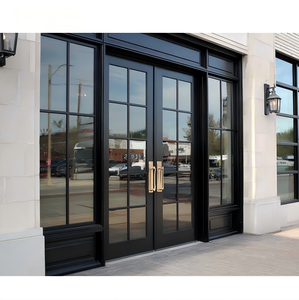
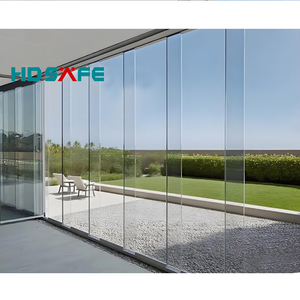
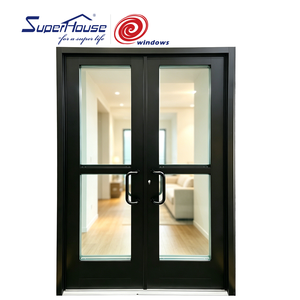
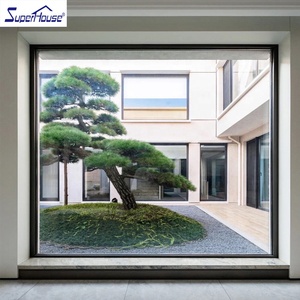
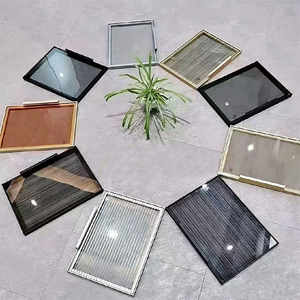
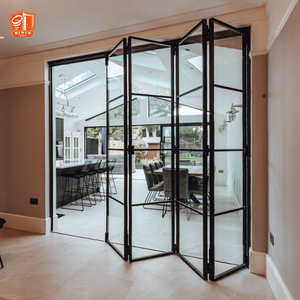
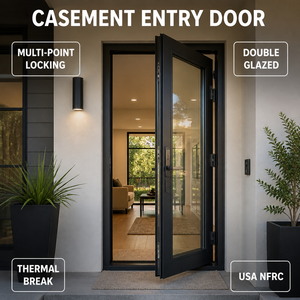
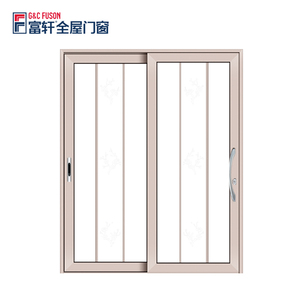
Procuring Aluminium Casement Doors for Italian Architectural Tenders?
Direct-from-factory batch production with customized polyamide thermal barrier breaks (PA66 GF25), CE mark documentation, and bespoke RAL powder finishes to match UNI EN 14351-1 requirements.
Engineering Whitepaper: Aluminium Casement Doors in the Italian Built Environment
As Italy accelerates its building decarbonization pathway under the European Energy Performance of Buildings Directive (EPBD IV) and national energy qualification frameworks, the envelope specification for aluminium fenestration has transitioned from basic barrier protection to complex, multi-functional thermodynamic shielding. Aluminium casement doors represent one of the most mechanically demanding elements of the exterior enclosure: they must combine absolute wind-load resistance during northern Alpine gusts or southern Scirocco storms with refined aesthetic proportions suitable for prestigious residential and commercial architecture.
Our manufacturing facility engineers architectural casement systems utilizing primary 6063-T6 and 6060-T6 aluminium alloy profiles, engineered with multi-chamber thermal breaks. By incorporating low-conductivity, 25% glass-fiber reinforced polyamide strips (PA66 GF25) measuring between 24mm and 34mm, our door systems eliminate conductive pathways. This structure enables project teams across Italy's varied climatic zones to achieve optimal thermal transmittance values (Uw) well below strict regulatory thresholds.
Italian Climate Zone Transmittance Compatibility
Italian regulations partition the national territory into six distinct climatic zones (Zone A to Zone F) based on Degree-Days (Gradi Giorno - GG). Sourcing imported fenestration requires precise calibration of profile extrusion depths, gasket vulcanization, and insulated glazing units (IGU) to comply with Ministerial Decrees on energy efficiency and tax relief incentives (such as Ecobonus and regional energy subsidies).
| Climate Zone | Representative Regions / Municipalities | Mandatory Maximum Uw Threshold (W/m²K) | Factory Recommended Profile Specification |
|---|---|---|---|
| Zone A & B | Lampedusa, Palermo, Reggio Calabria, Agrigento | ≤ 2.60 – 1.80 | 65mm System, 24mm Polyamide Break, Double Glazed Low-E (Ug 1.1) |
| Zone C | Napoli, Bari, Cagliari, Rome (coastal perimeter) | ≤ 1.75 | 70mm System, Co-extruded EPDM gaskets, Double Glazed Argon-filled |
| Zone D | Roma centro, Firenze, Genova, Ancona, Pescara | ≤ 1.67 | 75mm System, Warm-edge spacer bars, Low-E Selective Glazing |
| Zone E | Milano, Torino, Bologna, Venezia, Verona | ≤ 1.30 | 85mm System, Triple Glazed (Ug 0.6), Aerogel-assisted thermal cavity |
| Zone F | Trento, Bolzano, Belluno, Alpine mountain zones | ≤ 1.00 | 95mm Passive-tier Casement System, Triple Glazing Krypton/Argon blend |
Air, Water, and Structural Wind Resistance Validation (CEN Standards)
Under CE Marking protocol UNI EN 14351-1:2016 for external pedestrian doorsets and windows, our aluminium casement doors are subjected to rigorous cyclical mechanical stress and pneumatic pressure testing. Every production run scheduled for European export undergoes validation against European Committee for Standardization (CEN) testing methodologies:
Air Permeability (EN 1026 / EN 12207)
Validated up to Class 4 (600 Pa maximum test pressure). Continuous co-extruded triple-perimeter EPDM sealing prevents conditioned air loss and exfiltration in high-rise Milanese residential towers.
Watertightness (EN 1027 / EN 12208)
Certified up to Class E1050 (unprotected exposure). Incorporates cascade internal drainage grooves and concealed pressure-equalized weeping valves designed to handle torrential Ligurian coastal rainfalls.
Wind Load Resistance (EN 12211 / EN 12210)
Achieves Class C5/B5. Deflection resistance engineered for exposed cliffside villas in Capri or Positano subjected to extreme gust loads, eliminating frame warping.
Localized Architectural Applications Across Italy
Direct supply partnerships between our advanced manufacturing lines in Foshan and Italian developers, general contractors (Imprese Edili), and window fabricators allow tailored fenestration designs mapped directly to local architectural typologies.
1. Historic City Centers (Centri Storici) & Heritage Renovation Directives
Renovating residential properties within Italian historic districts—such as central Florence, Bologna, or Rome—requires strict compliance with municipal urban planning regulations (Soprintendenza Archeologia, Belle Arti e Paesaggio). These authorities demand that modern thermal envelope upgrades strictly respect historic sightline dimensions.
Our slimline architectural casement series emulates traditional Italian French-style balcony doors (porte-finestre a battente). By utilizing custom structural mullions with minimal visible frame widths down to 38mm, flush exterior sash designs, and micro-grooved simulated dividing lites (Inglesina), our doors meet modern thermal requirements while satisfying preservation authorities. We provide ultra-matte architectural powder coatings in historical hues, including Tuscan Olive Green, Terracotta Sienna, and Roman Umber.
2. High-Salinity Coastal Real Estate (Riviera Ligure, Amalfi, & the Tyrrhenian Coast)
Coastal developments face severe atmospheric challenges, primarily accelerated electrolytic corrosion from airborne chlorides coupled with elevated UV radiation. Standard commercial anodizing degrades rapidly under continuous salt fog exposure.
To ensure long-term durability in marine environments, all profile extrusions destined for coastal Italian installations undergo pre-treatment anodization followed by Qualicoat Seaside-certified thermosetting architectural powder coating (Class 2 superdurable fluoropolymer resins). Marine-grade 316 stainless steel friction stays, corner transmission brackets, and multi-point locking pins prevent galvanic corrosion, ensuring maintenance-free performance across luxury villas in Forte dei Marmi, Sardinia, and Sicily.
3. Urban Commercial Renovations & Hospitality Spaces in Northern Metropolises
In dense economic hubs like Milan, Turin, and Brescia, acoustic decoupling is critical. Street noise from vehicular traffic, trams, and urban nightlife requires weighted sound reduction index values (Rw) exceeding 42–45 dB. Our acoustic-glazed casement door profiles utilize multi-chambered damping geometries, asymmetric laminated safety acoustic interlayers (PVB Sound Control), and precision compression locking systems. These solutions deliver quiet interior environments for boutique hotels, Michelin-starred restaurants, and corporate executive headquarters.
Industrial Scale & Engineering Precision: The Manufacturer Advantage
As Guangdong Dejiyoupin Doors and Windows Co., Ltd. (DERCHI), recognized among China's top tier of specialized window and door manufacturers, our industrial complex delivers direct manufacturing scale to European commercial procurement teams. Eliminating intermediary trading margins, our automated manufacturing facilities give Italian specifiers complete technical control over bespoke extruded profiles, lead times, and fabrication tolerances.
Full-Chain Precision Fabrication
Our facility houses high-precision German 5-axis CNC machining centers, automated robotic corner crimping lines, and dedicated glass tempering and insulating lines. Thermal barrier insertion is automated under strict torque and pull-test monitoring (EN 14024) to guarantee structural composite shear strength under intense thermal shock.
Dedicated CAD/BIM Shop Drawings
Prior to extrusion cut-off, our technical department provides complete Shop Drawings, elevation cross-sections, perimeter wall anchorage details, and BIM models tailored for Italian construction scheduling.
Integrated Hardware Flexibility
Systems are fully routed to integrate European standard groove hardware (Cava Europea) from leading hardware makers (Giesse, Savio, Roto, Siegenia) or our heavy-duty proprietary multipoint perimeter locking arrays.
Containerized Export Packaging
Panels and master frames are packaged with shock-absorbing foam profiles, moisture barrier desiccants, corner edge protectors, and placed into ISPM-15 compliant fumigated plywood crates optimized for FCL ocean transit directly to Genoa, Naples, and Venice ports.
Emerging Architectural Trends in the Italian Fenestration Sector
The Italian architectural landscape is witnessing an evolution driven by both environmental mandates and minimalist aesthetics. B2B importers, developers, and project managers should align their specifications with several key technical market trends:
1. Shift Toward "All-Glass" Ultra-Slim Profiles and Hidden Sashes (Anta a Scomparsa)
Contemporary Italian luxury residential projects frequently demand concealed sash framing. When viewed from the building exterior, the moving casement sash is hidden entirely behind the perimeter structural frame or facade cladding. This architecture maximizes daylight transmission (g-value optimization) and aligns with the Italian rationalist design philosophy of visual simplicity.
2. Mandatory Decarbonization and Low Embodied Carbon Aluminium
Public tenders and top-tier private residential projects in Italy increasingly require adherence to Minimum Environmental Criteria (Criteri Ambientali Minimi - CAM). This standard demands proof of post-consumer recycled aluminium content (often 30% to 75% recycled scrap billet) and traceable supply chain carbon disclosures. Specifiers sourcing from our factory can request specific recycled-alloy batches with certified low-carbon billet documentation.
3. Smart Home Integration and Motorized Security Hardware
Mechanical keys are increasingly replaced by biometric fingerprint sensors, smartphone NFC relays, and motorized multi-point perimeter deadbolts concealed within the door leaf profile. Furthermore, casement doors serving penthouse verandas or primary ground-level terraces in major cities are specified to Burglar Resistance Class 2 and 3 (RC2 / RC3 per EN 1627-1630), incorporating multi-point hardened mushroom pins and anti-drill security strike plates.
Italian Architectural Procurement & Importer FAQ
Direct answers to technical, commercial, and regulatory questions frequently raised by Italian project directors, quantity surveyors, and window importers.
How do your aluminium casement doors comply with the Italian Ecobonus / Superbonus thermal requirements?
Are your door systems marked with CE documentation per UNI EN 14351-1 for importation into Italy?
Can our engineering team specify custom hardware brands such as Giesse, Savio, or Siegenia?
What surface treatment is utilized to protect against coastal salt corrosion in Southern Italy and Liguria?
How does the shipping, logistics, and port delivery process operate for Italian destinations?
What is your typical production lead time for bespoke project schedules?
Request a Factory-Direct Technical Specification & Bill of Quantities (BoQ)
Send our senior engineering team your architectural plans, door schedules, or tender documents. We deliver complete CAD drawings, static calculations, and certified pricing within 24 hours.