Extreme Wind Resistance
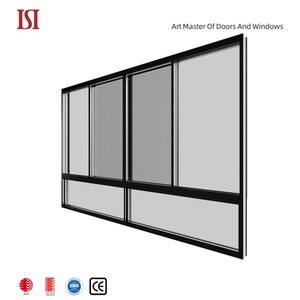
Explore our commercial-grade fenestration solutions tested to severe wind loadings, cyclical weather ingress, and acoustic attenuation thresholds across global residential and mixed-use developments.
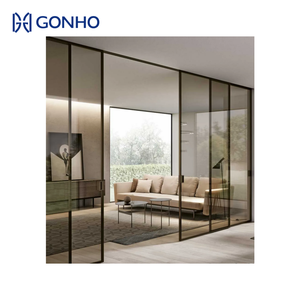
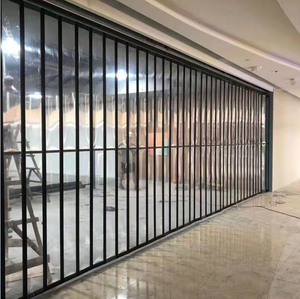
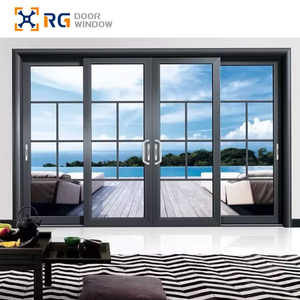
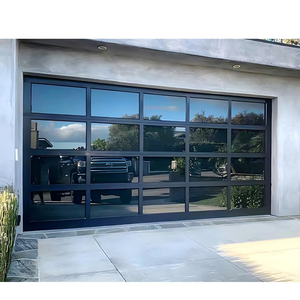
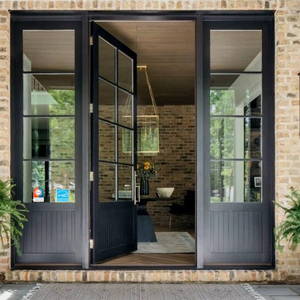
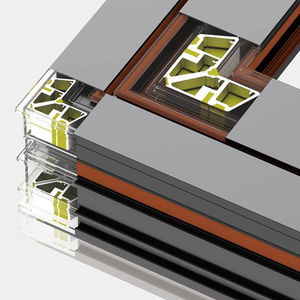
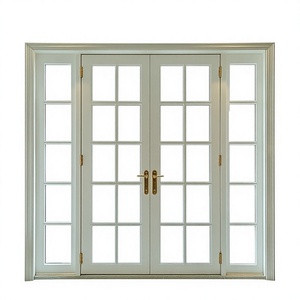
Foshan manufacturing hub housing integrated extrusion, CNC, and coating plants
Ranked among top Chinese fenestration innovators exporting to 60+ countries
Certified resistance against severe cyclonic buffeting and coastal water ingress
ISO 9001, CE, NFRC, UL fire-ratings, and fluorocarbon finish testing
Procuring architectural fenestration overseas requires uncompromising quality validation, rigorous testing reports, and predictable project schedule management from initial shop drawings to seaport discharge.
Unlike trading intermediaries, our Foshan factory controls the entire supply value chain: primary billet melting, high-precision extrusion dies, European anodizing, automated AkzoNobel powder coating, polyamide thermal assembly, robotic glazing, and strict pre-shipment dry runs.
All window and door assemblies are engineered to conquer local building codes. Our systems achieve N6 structural wind load ratings under AS 2047 tests, satisfy North American NFRC energy benchmarks, and conform to EN ISO CE certification for airtightness, water-repellency, and wind pressure.
Prevent on-site architectural discrepancies. Our bilingual engineering division drafts complimentary millimeter-precise AutoCAD details, structural wind load calculations, and BIM models tailored to your structural rough opening schedules prior to batch machining.
For beachfront villas and coastal high-rises in Australia, New Zealand, Florida, and the Pacific Islands, we offer Qualicoat Class 2 / Class 3 fluorocarbon (PVDF) finishes alongside 25μm architectural anodizing guaranteed to resist salt-fog spray, chalking, and intense UV exposure.
FCL and LCL shipments are secured in ISPM-15 compliant fumigated plywood crates with desiccant packs, corner edge-protectors, and scratch-resistant PE films, ensuring flawless port customs clearance at Sydney, Melbourne, Auckland, Los Angeles, and European transit terminals.
Eliminate communication friction. Our dedicated project managers and structural glazing engineers work aligned with AEST, NZST, and EST business hours, offering direct video shop floor audits, live inspection reports, and responsive aftercare technical support.
| Engineering Attribute | Standard Commercial Glazing | DERCHI Export-Grade Heavy Architectural Series | Validation Protocol |
|---|---|---|---|
| Alloy Metallurgy | Generic 6063-T5 (Recycled mix) | Virgin 6063-T6 / 6061-T6 High-Tensile Billet | EN 755-2 Certified |
| Thermal Break System | Standard PVC or simple resin pour | Multi-Chamber Polyamide PA66 GF25 + Aerogel Core | NFRC / ISO 10077-2 |
| Cyclonic Wind Capacity | Up to 1500 Pa (Standard Service) | Up to 4500 Pa+ (Ultimate Limit State N6 rating) | AS 2047 / ASTM E330 |
| Glazing Seal Integrity | Standard silicone & TPE gaskets | Vulcanized EPDM Perimeter Sealing + Dow Corning 983 | AAMA 501.1 Water Tested |
| Acoustic Damping (STC) | STC 28 - 32 dB | STC 38 - 48 dB (Acoustic PVB Laminated IGU) | ASTM E90 / ISO 140-3 |
Procurement executives, commercial developers, and quantity surveyors face evolving structural codes and sustainability disclosures. Here is how modern procurement is shifting across global fenestration markets.
Global developers governed by LEED v4.1 and Green Star ratings now demand certified Environmental Product Declarations (EPDs). Sourcing aluminum windows extruded from low-carbon, hydro-electric billets significantly slashes embodied carbon scores, directly impacting the marketability of commercial towers and urban hospitality real estate.
Climate volatility has elevated structural requirements in hurricane-prone zones (Florida Florida Building Code, Caribbean, and AS/NZS 1170.2 cyclonic regions). Sourcing teams are shifting away from standalone glass thickness toward unified missile-impact tested curtain systems and structural silicone glazed (SSG) assemblies with reinforced mullion interlocks.
Escalating on-site labor overheads in the United States, Australia, and Western Europe have driven a dramatic surge in pre-glazed, unitized fenestration procurement. Factory-glazed assemblies with pre-installed sub-frames, sub-sills, and anchor clips cut field installation timetables by over 45%, eliminating rain delays and on-site sealant failures.
Modern architectural design favors ultra-slim visible sightlines without sacrificing acoustic isolation, structural deflection criteria, or energy efficiency.
Transitioning from conventional aluminum extrusions to 34mm multi-cavity PA66 GF25 polyamide thermal barriers allows frame U-values (Uf) to drop below 1.2 W/m²K. Integrating continuous warm-edge spacer bars and triple-glazed Low-E argon insulated glass units (IGU) enables passive house thermal compliance in extreme climatic environments.
Innovative concealed sash systems and structural bonding permit visible frame sightlines as slender as 18mm to 25mm. By transferring exterior wind loads directly through structural adhesive to hidden interior profiles, architects achieve panoramic, floor-to-ceiling glass expanses that maximize natural light transmission without compromising safety.
The integration of electrochromic glass systems, motorized multi-point concealed actuators, and decentralized trickle ventilation with acoustic baffling represents the cutting edge of commercial envelope engineering. Windows now automatically adjust solar heat gain coefficient (SHGC) values dynamically via building management protocols.
Direct answers to the critical engineering, compliance, freight protection, and documentation queries raised during cross-border fenestration sourcing.
Every product system is pre-tested through independent NATA-accredited or ISO/IEC 17025 accredited laboratories. We provide full laboratory test reports covering deflection (serviceability limit state), operating force, air infiltration resistance, water penetration resistance, and ultimate limit state strength. Certifier-ready documentation packs are issued prior to project sign-off.
For environments categorized as C4 or C5 under ISO 12944 (coastal within 1km of breaking surf), we specify Qualicoat Seaside Class 2/3 fluoropolymer (PVDF 70% Kynar 500) powder coatings or Class 1 Architectural Anodizing (minimum 25-micron coating depth). Both options are verified with 3,000+ hour continuous acetic acid salt spray (AASS) chamber assessments.
Yes. Our structural façade engineering team translates your architectural floor plans and door/window schedules into comprehensive CAD shop drawings. We generate section cuts, anchor load calculations, sub-sill drainage details, and glass wind load stress assessments. Production never starts until you and your project engineer provide written drawing approval.
We employ a 4-tier packaging protocol: individual profiles are wrapped in protective polyethylene scratch films, framed with expanded EPE corner caps, bound with reinforced composite strapping, and crated in fully enclosed, IPPC-certified fumigated plywood containers with moisture-absorbing silica canisters to prevent condensation or white rust during sea passage.
Standard extrusion profiles with standard RAL powder coat finishes typically run on a 25 to 35-day factory production cycle following shop drawing approval. Fully custom extrusion dies, bespoke architectural hardware configurations, or specialized acoustic laminated glass assemblies require approximately 40 to 45 days, followed by scheduled ocean freight booking.
Absolutely. As an integrated manufacturer of high-end aluminum windows, cast aluminum security entry doors, large pivot doors, and insulated garage doors, we specialize in project consolidation. Sourcing your complete building envelope under one bill of lading cuts container logistics costs, simplifies customs clearance, and ensures unified finish matching.
Aluminum provides far superior structural rigidity and lower thermal expansion coefficients than uPVC, which is prone to UV embrittlement and sash sagging in oversized openings. Compared to carbon steel, aluminum offers superior natural corrosion resistance and weight efficiency at a fraction of the raw fabrication cost, delivering the highest ROI for modern envelopes.
Every project ships with step-by-step numbered CAD assembly schematics, perimeter flashing diagrams, and torque specifications. Our bilingual engineering division also provides remote video walk-throughs and real-time installation coordination with your on-site facade installers during your regional working hours.
Send through your window schedule, elevation plans, or BIM model. Our facade engineering team will review your windload, thermal, and acoustic targets to supply a factory-direct bill of materials and CAD details within 24 hours.