Slimline Series
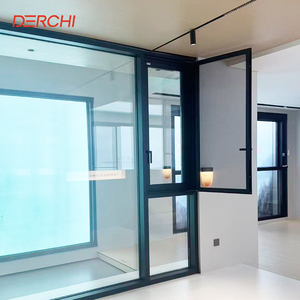
Architectural-grade aluminium configurations custom-extruded to withstand continuous moisture exposure, thermal cycling, and heavy commercial service. Every system is fabricated with certified 6063-T5/T6 alloy.
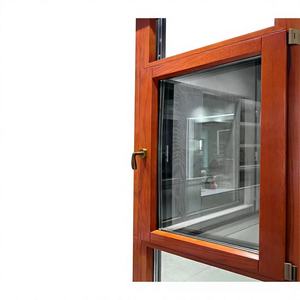
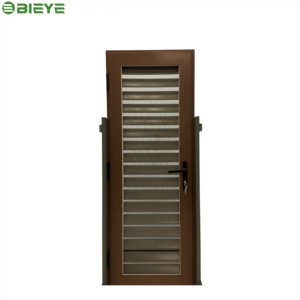
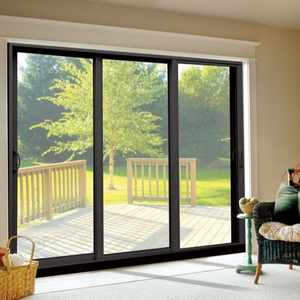
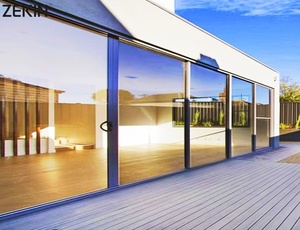
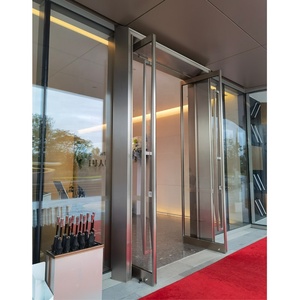
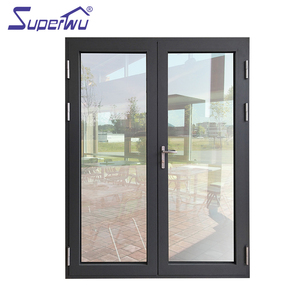
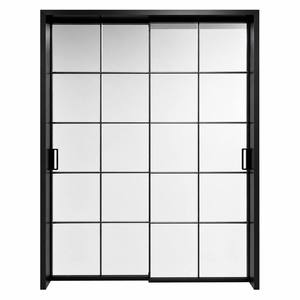
Moving beyond utilitarian access: How modern fenestration engineering transforms utility entrances into high-performance thermal, acoustic, and moisture barriers.
In contemporary residential architecture, multi-family developments, and hospitality projects, the laundry door is no longer treated as an afterthought or a hidden secondary service egress. With moisture management standards tightening globally—such as Australia's National Construction Code (NCC) condensation management provisions, Title 24 in California, and European EN ISO 13788 hygrothermal standards—specifiers require an aluminium laundry door system that pairs structural longevity with active air regulation and acoustic containment.
Laundry environments subject building components to intense microclimatic extremes. Daily washing cycles elevate internal relative humidity (RH) above 80%, accompanied by vaporized detergents, particulate lint, and ambient heat generated by condenser or vented dryers. Traditional timber doors inevitably warp, swell, rot, and harbor toxic mould spores under these conditions. Standard lightweight steel doors frequently suffer crevice corrosion along unsealed bottom rails and fastener points. By contrast, precision-extruded primary 6063-T5 and 6063-T6 aluminum alloys provide permanent dimensional stability, superior strength-to-weight performance, and comprehensive corrosion immunity when sealed with architectural fluorocarbon (PVDF) or Class 2 Qualicoat architectural powder coatings.
As an established OEM/ODM manufacturing authority, DERCHI integrates commercial-grade curtain wall technology into residential utility openings. Our laundry door assemblies incorporate integrated micro-ventilation louvers, sub-sill drainage gutters, dual-perimeter EPDM sealing gaskets, and polyamide thermal breaks (PA66 GF25). These advancements guarantee that utility passages maintain indoor air quality (IAQ) and exterior envelope weather-tightness without succumbing to condensation pooling or thermal bridging.
Features engineered concealed weep holes, anti-backdraft sills, and multi-chambered sub-sills rated up to 450 Pa water penetration resistance under cyclonic wind driving rain conditions.
Continuous 24mm to 34mm multi-cavity polyamide thermal barriers bridge the internal and external frame segments, drastically suppressing condensation and delivering Uw values below 1.6 W/m²·K.
High-spin appliances emit mid-to-high frequency airborne noise (65–75 dBA). Our asymmetric acoustic laminated double-glazing configurations achieve Rw ratings between 36 dB and 42 dB.
Analyzing how technological disruptions in ventilation, metallurgy, and smart automation are shaping modern architectural door schedules.
Modern building envelopes require airtight seals, yet utility laundries mandate rapid vapor egress. Next-generation laundry doors incorporate flush, multi-stage acoustic louvers with removable stainless steel insect screens and integrated rain-baffles, facilitating passive pressure equalization without compromising thermal envelope ratings.
Commercial laundries and coastal dwellings generate aggressive chlorine and chemical mist exposure. Fabricators are migrating toward ultra-durable fluorocarbon (PVDF) 3-coat architectural finishes and 25-micron anodic oxidization layers that endure 3,000+ hours of continuous neutral salt spray (ASTM B117) without film blistering.
The convergence of utility entries with exterior mudrooms has driven procurement toward concealed automatic drop-down acoustic seals and multipoint motorized locking mechanisms. Seamless electronic integration with home automation ecosystems allows remote verification of lock engagement and status monitoring.
As building codes become more rigorous across North America, Australasia, and the UK, commercial developers and general contractors are revising their supply chain strategies. Procuring fenestration from certified manufacturing partners requires assessing criteria far beyond initial unit pricing. The future of B2B door procurement is anchored by four key pillars:
1. Standardized DFMA (Design for Manufacture and Assembly): The modular construction and off-site prefabrication revolution requires millimeter-accurate door jamb tolerances. High-volume developments demand pre-hung aluminium door cassettes with factory-fitted sub-frames, pre-installed perimeter flashing fins, and integrated brick ties that decrease on-site installation labor by upwards of 40%.
2. Circular Economy & Low-Carbon Aluminium Extrusions: Major tender frameworks increasingly incorporate Environmental Product Declarations (EPDs). Leading fabricators utilize hydro-powered smelter aluminium with over 50% post-consumer recycled content, drastically curbing embodied carbon metrics while preserving identical tensile properties (yield strength > 160 MPa).
3. Direct-from-Source Engineering Support: The traditional multi-tier distribution network often introduces communication gaps between structural engineers and job-site crews. Today's procurement teams partner directly with comprehensive Chinese manufacturing centers capable of generating project-specific BIM/Revit families, shop CAD elevations, and custom structural FEA calculations for extreme localized wind pressures.
Collaborate directly with DERCHI's senior fenestration engineering team. We review architectural schedules, generate complimentary CAD shop drawings, and provide competitive factory-direct container quotations.
Established in Foshan, Guangdong—the global manufacturing capital for architectural aluminium systems—DERCHI operates one of China's most advanced fenestration manufacturing bases spanning over 180,000 square meters. For more than 25 years, we have delivered turnkey fenestration solutions to over 100 countries, catering to commercial high-rises, boutique resorts, and master-planned residential communities.
Our vertically integrated infrastructure encompasses precision billet extrusion, automated vertical powder-coating lines, CNC profile machining centers, insulated glass unit (IGU) robotic assembly lines, and exhaustive quality verification bays. With over 600 skilled master craftsmen, metallurgists, and facade engineers, DERCHI ensures that every unit shipped complies with international standards, including AS 2047, AS 1288, CE, ISO 9001, and UL certifications.
Independently tested for cyclonic wind pressures, water tightness, and structural deflection.
100% pre-assembly inspection, coating thickness verification, and barcode-traceable documentation.
Fully fumigated solid timber crating, protective film lamination, and moisture-absorbing desiccant packs.
English-fluent fenestration engineers providing rapid CAD shop submittals aligned to your time zone.

Clear technical and operational insights addressing specification, compliance, logistics, and customization for international door procurement.
We mandate architectural grade 6063-T5 or 6063-T6 virgin aluminium with minimum wall thicknesses ranging from 1.6mm up to 2.2mm on heavy load-bearing frames. This provides ideal tensile strength (min. 160 MPa) and superior corrosion resistance compared to commercial scrap re-melts, preventing frame warping under persistent steam exposure.
Our systems incorporate PA66 GF25 thermal break strips that isolate the exterior aluminium skin from the internal frame, preventing temperature bridging. Coupled with concealed drainage channels and dual-fin EPDM weatherstripping, our frames prevent surface temperatures from dropping below the dew point, eliminating condensation.
Yes. As an OEM manufacturer, our engineering team custom-machines doors to accommodate fixed or operable sound-dampened louvers, precision pet doors, micro-perforated security mesh (316 marine stainless steel), and motorized automated drop seals. All modifications are fully rendered on CAD shop drawings prior to extrusion fabrication.
Our aluminium profiles are independently tested and certified in accredited laboratories. We supply comprehensive NATA-equivalent test certificates confirming compliance with AS 2047 and AS 1288 (safety glazing), including ultimate limit state (ULS) wind pressure resistance up to N6 ratings, air infiltration testing, and cyclic water penetration limits.
We recommend double-glazed insulated glass units (IGUs) composed of 5mm Toughened + 12A (Argon filled) + 5mm Toughened Low-E glass, or acoustic laminated options (e.g., 6.38mm / 10.38mm PVB acoustic interlayer). For privacy, we offer frosted acid-etched glass, ceramic fritted patterns, or integrated operable blinds sealed inside the double glazing.
Standard custom project orders require approximately 25 to 35 business days from final CAD shop drawing sign-off to container loading. We accommodate flexible order volumes: full container loads (20GP/40HQ FCL) for commercial builds, as well as Consolidated Container Loads (LCL) for custom luxury residential estates.
Each unit undergoes a 4-tier packaging protocol: 1) Surface peel-protective film; 2) Closed-cell foam corner armor and edge guards; 3) Heavy gauge bubble wrap encapsulation; and 4) Custom non-fumigation plywood crates with internal structural bracing and moisture desiccant bags, engineered for secure forklift offloading.
Yes. We provide complete hardware assemblies including German Siegenia, Hoppe, or Australian Doric architectural multipoint deadbolts. We also supply integrated biometric digital smart locks (fingerprint, PIN, RFID, App control) tested through 200,000 continuous operation cycles without mechanical failure.
Instant access to our complete 2026 Architectural Aluminium Door System Catalog.