Engineered Architectural Windows & Doors Systems
Direct factory solutions manufactured under rigorous quality control standards (AS 2047, CE, ISO9001) for luxury villas, commercial facades, and residential developments worldwide.
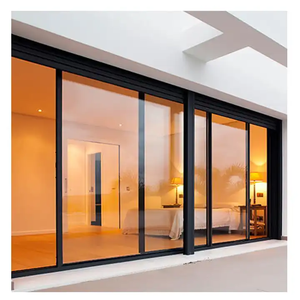
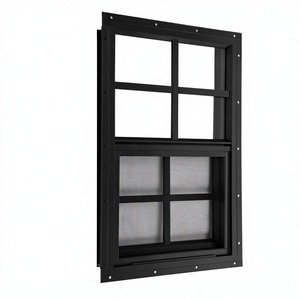
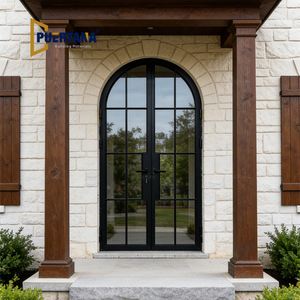
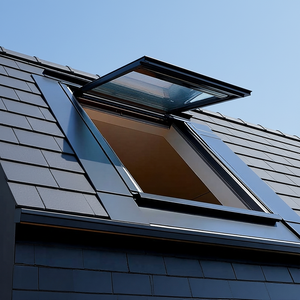
Guangdong Dejiyoupin Doors and Windows Co., Ltd. (DERCHI)
Ranked among China's top tier architectural door and window exporters, DERCHI operates a state-of-the-art manufacturing infrastructure supplying high-volume and custom architectural glazing globally.
1. Architectural Evolution and Semantic Intent of Modern Garden Windows
Aluminum garden windows—frequently designated in architectural specifications as bay projection windows, greenhouse windows, or micro-climate box glazing—represent a sophisticated fusion of structural engineering and biophilic interior design. Unlike standard flush-mounted casement or sliding windows, an aluminum garden window extends outward from the primary building envelope, creating a three-dimensional glass enclosure that captures ambient daylight from three distinct angles while providing a micro-environmental ledge dedicated to indoor botanical cultivation.
From an engineering and procurement perspective, modern aluminum garden windows are no longer mere decorative residential additions. In current high-end residential master plans and commercial architectural projects, they serve as critical passive solar elements, localized thermal buffers, and acoustic acoustic dampening structures. Global buyers seeking reliable B2B supply chains from China must evaluate manufacturers based on structural extrusion strength, thermal bridge isolation, glass assembly standards, and weather-seal integrity.
Technical Insight: A high-performance aluminum garden window requires structural load engineering capable of supporting substantial glass dead-weight alongside dynamic wind-load stresses. Standard residential profiles frequently fail in cantilevered configurations; only 6063-T6 architectural-grade extruded profiles guarantee long-term dimensional stability.
2. Structural Materials Engineering: Profiles, Thermal Breaks, and Surface Integrity
To withstand extreme exterior temperature differentials, violent wind pressure, and long-term solar UV exposure, China's leading exporters utilize precision-engineered material assemblies:
Aluminum Alloy Specification (6063-T6 Extra-Thick Extrusions)
The structural backbone of DERCHI garden windows consists of primary 6063-T6 aluminum alloy profiles engineered with wall thicknesses ranging from 1.8mm to 3.0mm. T6 heat treatment provides superior yield strength and hardness, ensuring that the outward projecting glass box retains rigid structural alignment under heavy snow loads or hurricane-force wind loads (tested up to AS 2047 N6 standards).
Polyamide PA66-GF25 Thermal Barrier Strips
Uninsulated aluminum exhibits high thermal conductivity ($K \approx 200 \text{ W/m}\cdot\text{K}$). To prevent heat transfer between interior living spaces and the exterior micro-climate, premium garden windows integrate multi-cavity Polyamide (PA66-GF25) thermal break strips reinforced with 25% fiberglass. This thermal barrier drops overall frame U-factors significantly, eliminating interior surface condensation that could harm interior timber surrounding the window opening.
Surface Coating Technologies: Fluorocarbon (PVDF) vs. Anodizing
- Fluorocarbon (PVDF) Spraying: Utilizing 3-coat/2-bake PPG or AkzoNobel fluorocarbon resins, providing unmatched resistance to chalking, salt spray corrosion, and color fading in harsh coastal environments. Pass 3,000+ hour salt spray testing.
- Electrophoretic Anodizing: Delivers a durable, metallic surface finish with superior scratch resistance, ideal for modern minimalist architectural schemes.
- Super Weather-Resistant Powder Coating: Qualicoat Class 2 standard coatings providing eco-friendly, vibrant color choices with up to 15–20 years of exterior finish guarantees.
3. Advanced Glazing Systems for Micro-Climate Optimization
Because garden windows feature three glass faces and a sloped or flat glass roof, glazing engineering is paramount to avoid the "greenhouse effect" of excessive solar heat gain while retaining high light transmittance.
Low-E Double/Triple IGUs
Double or triple-pane Insulated Glass Units (IGU) featuring dual soft-coat Low-E coatings selectively reflect long-wave infrared radiation while allowing visible spectrum sunlight to nurture plants without overheating interior spaces.
Laminated Roof Glazing
The top roof panel utilizes SGP/PVB laminated tempered safety glass (e.g., 6mm Low-E Tempered + 1.52SGP + 6mm Clear Tempered). This eliminates hail impact breakage risk and guarantees zero overhead glass falling in storm events.
Argon Gas & Warm Edge
90%+ Argon gas filling combined with Technoform warm-edge spacers reduces edge-seal thermal conduction, raising acoustic insulation to STC 38–42 dB for quiet urban living.
4. Future Procurement Trends in Aluminum Garden Windows (2025–2030)
As global building energy codes tighten (such as EU NZEB standards, Australian NCC requirements, and US Title 24 energy mandates), B2B sourcing of aluminum garden windows is experiencing rapid technological evolution:
A. Smart Micro-Climate Automation
Future-ready garden windows incorporate integrated IoT sensors that monitor temperature, humidity, and sunlight intensity. Automated side-casement actuators or motorized skylight vents open automatically when interior temperatures surpass pre-set botanical thresholds, paired with automated smart-tint Electrochromic or PDLC switchable glass.
B. Ultra-Slim Sightlines & Minimalist Structural Framing
Architects increasingly demand invisible frame profiles. Suppliers are transitioning to structural silicone structural glazing (SSG) techniques where glass panels are structurally bonded to concealed internal aluminum profiles, delivering unbroken glass-to-glass corner joints with panoramic exterior views.
C. Circular Carbon Footprint & Recycled Aluminum Sourcing
Leading Chinese exporters are adopting low-carbon primary aluminum smelted using hydroelectric power, alongside post-consumer recycled aluminum content. Environmental Product Declarations (EPDs) are becoming standard documentation required by North American and European procurement teams.
5. Product Development & Manufacturing Innovations
To maintain a competitive edge, elite manufacturers like Guangdong Dejiyoupin Doors and Windows Co., Ltd. (DERCHI) have modernized their fabrication methodologies:
- Five-Axis CNC Machining: All profile cutting, hardware routing, and corner-crimping operations are executed on automated German CNC lines with sub-millimeter tolerances ($\pm0.1\text{mm}$), ensuring perfect corner joint alignment.
- Dual-Component Corner Injection Vulcanization: Corner joints are joined with cast aluminum corner cleats and injected with two-component polyurethane corner adhesive, providing complete structural rigidity and water tightness.
- Triple-EPDM Continuous Gasket Systems: Automotive-grade EPDM rubber seals ensure zero air infiltration under high static pressure testing, preventing draft line noise and moisture ingress.
Enterprise Manufacturing Supremacy & OEM/ODM Capabilities
When sourcing high-value architectural aluminum windows and doors from China, direct manufacturing scale, international compliance, and engineering support determine project success.
180,000 m² Mega Manufacturing Base
Located in Foshan, Guangdong, our factory operates fully automated aluminum extrusion, powder coating, double-glazing assembly, and testing workshops capable of fulfilling massive commercial schedules on tight delivery timelines.
AS 2047, CE & UL Certified Integrity
Our door and window systems undergo comprehensive testing by independent laboratories, achieving N6 wind load ratings, AS 2047 compliance for Australia/NZ, CE markings for Europe, and UL fire-rating standard options.
Free CAD Shop Drawings & BIM Support
Our in-house team of 30+ dedicated structural engineers provides complimentary CAD shop drawings, 3D render mockups, and BIM models tailored to match your specific architectural window schedules before production begins.
Frequently Asked Questions (B2B Procurement FAQ)
Clear, direct answers regarding custom ordering, quality standards, export packaging, and global logistics for aluminum garden windows and architectural glazing systems.