Evaluating Top Commercial Aluminum Shop Door Manufacturers
Modern commercial architecture relies on aluminum storefront systems, heavy-duty automatic sliding doors, and hurricane-rated entrance assemblies to define brand identity, streamline foot traffic, and enforce building envelope energy efficiency. Selecting an elite aluminum shop door factory requires analyzing extruded alloy structural temper, thermal break polyamide barriers, cycles-to-failure testing, and architectural compliance standards such as AS 2047, ASTM E330, and CE EN 14351-1.
The global shift toward net-zero commercial real estate has transformed the shop door from a simple physical barrier into a high-engineered thermal envelope. Modern B2B procurement managers and glazing contractors look beyond initial unit cost, prioritizing lifetime operational stability, thermal resistance (U-factor ≤ 1.6 W/m²K), wind load pressure capacity (N6 / 5000 Pa), and automated access integration.
Below is a comprehensive technical breakdown of the industry's top 10 commercial shop door systems, engineered by premier manufacturing bases like Guangdong Dejiyoupin Doors and Windows Co., Ltd. (DERCHI), designed to satisfy architectural schedules for shopping malls, luxury retail storefronts, supermarkets, and high-traffic commercial complexes.
Featured Commercial Aluminum Shop Door Systems
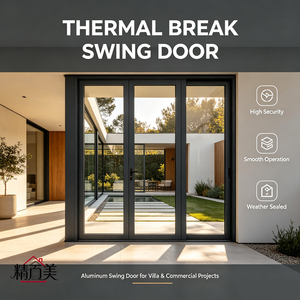
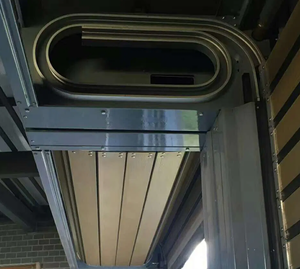
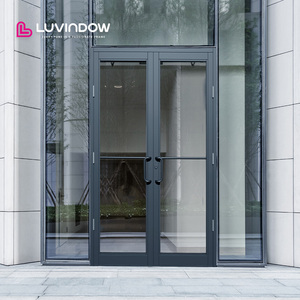
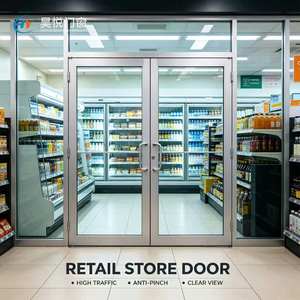
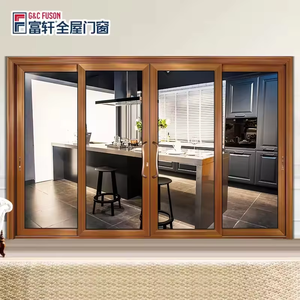
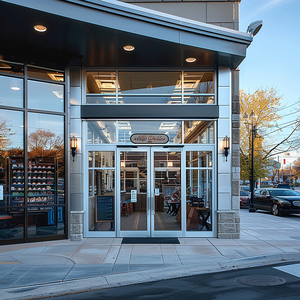
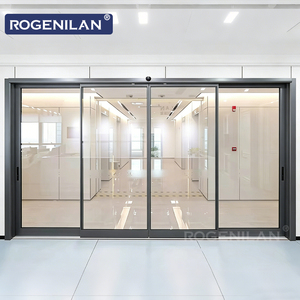
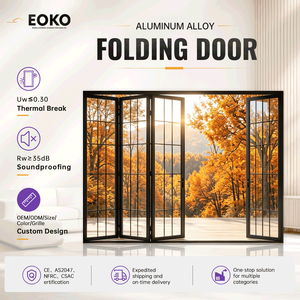
Precision-engineered storefront entrances, rapid roll-up shutters, thermal break swing doors, and bulletproof security sliding assemblies directly from leading factory lines.
Commercial Door Engineering Specifications Comparison
Side-by-side performance matrix for architectural specifiers comparing alloy tempers, glass performance, cycling endurance, and acoustic insulation values.
| System Classification | Aluminum Profile Temper | Glazing Specification | Thermal Break (PA66) | Acoustic (STC) | Cycle Endurance |
|---|---|---|---|---|---|
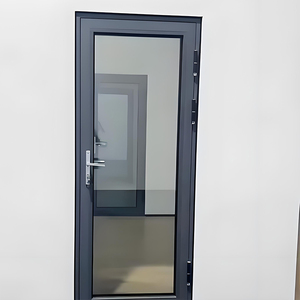
| Thermal Break Swing Storefront | AA 6063-T6 (2.0mm - 3.0mm) | 6mm + 12Ar + 6mm Low-E Tempered | 24mm Polyamide Strip | 38 - 42 dB | 500,000 Cycles |
| Automatic Commercial Sliding | AA 6063-T5 (2.5mm Heavy Duty) | 8mm / 10mm Monolithic or Double Glazed | Optional / Multi-chamber | 32 - 36 dB | 1,000,000 Cycles |
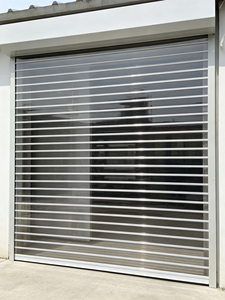
| High-Speed Spiral Turbo Shutter | Extrusion Slats + PU Foam Core | Polycarbonate Clear Windows | Insulated Panel Core | 28 - 32 dB | 300,000 Cycles |
| Bulletproof / High-Security Slide | 6063-T6 Reinforced Steel Insert | 28mm Laminated Ballistic Glass | Heavy Non-Thermal / Thermal | 42 - 45 dB | 250,000 Cycles |
| Hurricane Impact Double Swing | AA 6063-T6 (3.0mm Structural) | 6mm + 1.52PVB + 6mm Impact Glass | Integrated High-Density Seal | 40 - 44 dB | 500,000 Cycles |
Why Direct Sourcing from Guangdong Dejiyoupin (DERCHI) Drives Value
Headquartered in Foshan, Guangdong—China's global aluminum manufacturing capital—DERCHI combines state-of-the-art extrusion lines with rigorous AS 2047 testing standards.
180,000 m² Integrated Infrastructure
With an expansive manufacturing park in Foshan, DERCHI controls the complete production chain: profile billet heating, precision extrusion, PVDF/powder coating, thermal break crimping, double-glazing fabrication, and automated final assembly.
Tested to AS 2047 & International Standards
Engineered specifically to withstand intense coastal salt air, extreme UV index, and high wind pressures. DERCHI commercial doors pass rigid AS 2047 N6 wind pressure ratings, air infiltration, and water penetration compliance testing.
Free CAD Shop Drawings & Engineering
Eliminate field installation errors with customized CAD shop drawings generated directly by our in-house engineering team. We align opening schedules, floor threshold details, and electric lock wiring layouts prior to production.
Future Directions in Commercial Shop Door Manufacturing
Insights into technological innovations, environmental regulations, and automation shifts impacting store entrance procurement globally.
1. Decarbonization & Polyamide 66 Thermal Struts
Global energy codes (such as Australia's NCC and Europe's EPBD) now demand lower overall U-values for commercial facades. Manufacturers are replacing solid aluminum frames with multi-chamber PA66GF25 thermal struts that prevent thermal bridging, reducing HVAC cooling loads by up to 32% in glass-heavy store entrances.
2. Smart Sensor Synchronization & Brushless Drives
Automatic shop doors are migrating from legacy DC motors to direct-drive magnetic brushless motors paired with dual-range microwave radar and infrared safety sensors. This delivers ultra-quiet opening (under 45 dB), lower power consumption, and dynamic speed adjustment during peak foot traffic.
3. High-Security & Hurricane-Impact Glazing Integration
Extreme weather events and commercial loss-prevention strategies have driven demand for combined solutions: hurricane-rated glass with multi-layer PVB/SGP interlayers that withstand 200 mph wind-borne debris while offering RC2/RC3 anti-burglary resistance for luxury retail environments.
Frequently Asked Sourcing & Engineering Questions
Key technical answers for commercial developers, architects, general contractors, and overseas importers.
What structural specifications are required for high-traffic supermarket doors?
High-traffic commercial entrances require extruded aluminum frames made from 6063-T5 or 6063-T6 alloy with a wall thickness of no less than 2.0mm to 2.5mm. Additionally, heavy-duty floor pivots, continuous gear hinges, or overhead automatic sliding operators certified for at least 500,000 to 1,000,000 continuous operation cycles should be specified to avoid sagging and track binding over time.
How does thermal break technology function in aluminum shop door systems?
Aluminum is an efficient thermal conductor. A thermal break door splits the interior and exterior aluminum profiles using a low-conductive polyamide (PA66GF25) structural strip. This mechanical barrier prevents external heat or cold from transferring into the building, eliminating internal condensation and drastically reducing commercial HVAC energy consumption.
Are DERCHI commercial shop doors compliant with Australian AS 2047 standards?
Yes. DERCHI aluminum door systems undergo rigorous testing for AS 2047 compliance, achieving high ratings in air infiltration, water penetration resistance, and structural deflection under N6 wind pressure levels. Full official laboratory test reports and certificates are provided alongside CAD project documentation to streamline local council and certifier approvals.
Which surface coating finish is recommended for coastal shopfront installations?
For shopfronts situated within 5 kilometers of ocean salt air, a fluorocarbon (PVDF) 3-coat spray finish or marine-grade anodizing (minimum 20 microns) is strongly recommended. PVDF finishes utilize Kynar 500 resins, offering exceptional resistance to salt spray corrosion, chalking, cracking, and severe UV degradation over a 20+ year service lifespan.
What is the typical lead time for custom factory orders and overseas ocean freight?
Custom engineering and manufacturing at the Foshan factory typically requires 20 to 25 business days following CAD shop drawing sign-off. Ocean shipping to major global ports (such as Sydney, Melbourne, Auckland, West Coast USA, or European hubs) takes approximately 12 to 22 transit days via FCL or LCL export-grade wooden crating.
Request Free CAD Shop Drawings & Wholesale Factory Quotation
Ready to elevate your commercial storefront, supermarket entry, or multi-residential project? Consult with our senior English-speaking sales engineers for customized profile selections, hardware schedules, and competitive direct factory pricing.
Contact Us