Featured Architectural Aluminum Door & Window Solutions
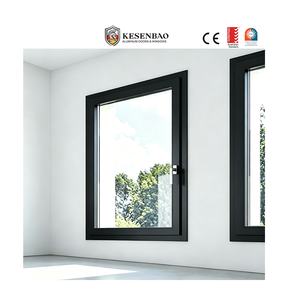
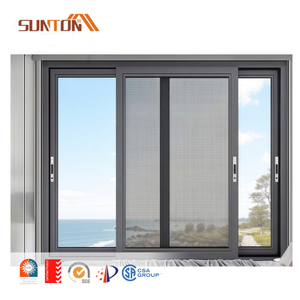
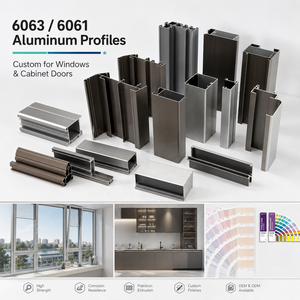
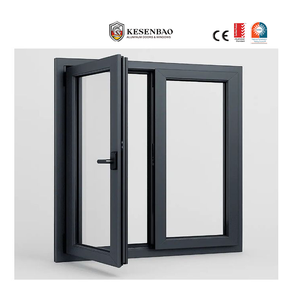
Precision-manufactured with 6063-T5 structural architectural profiles, tested for cyclone-rated wind loads, thermal efficiency, and airtight oceania-grade durability.
Engineering Landscape: Global Sourcing of Aluminum Overhead Doors
Architectural overhead doors have evolved from utilitarian vehicle barriers into critical envelope components requiring stringent air permeability, thermal separation, structural integrity under high cyclic wind loads, and refined visual appeal.
In modern commercial infrastructure, automotive dealerships, fire rescue facilities, residential luxury villas, and logistics mega-hubs, architectural aluminum overhead doors represent the pinnacle of dynamic fenestration. Unlike steel roll-up shutters or basic insulated sectional doors, extruded aluminum alloy overhead doors (incorporating 6063-T5 or 6063-T6 framing) deliver an unmatched strength-to-weight ratio, intrinsic atmospheric corrosion resistance, and flexible fenestration options ranging from full-view impact glazing to thermal break insulated acoustic panels.
Procuring these complex assemblies requires rigorous evaluation of factory capabilities. Engineering specifiers, façade consultants, and general contractors face severe risks when evaluating unvetted suppliers: thermal bridge failure resulting in interior condensation, track deflection under negative wind load pressures, low-cycle torsion spring fatigue, and finish degradation caused by UV and salt air exposure. Below, we break down the definitive top 10 aluminum overhead door manufacturers and exporters setting global benchmarks in engineering, precision assembly, and international compliance.
Top 10 Aluminum Overhead Door Factories & Global Exporters
Comprehensive audit of manufacturing floor spaces, alloy extrusion standards, global compliance credentials, and export logistics networks.
Guangdong Dejiyoupin Doors and Windows Co., Ltd. (DERCHI)
Occupying a sprawling 180,000 m² state-of-the-art intelligent manufacturing campus, Guangdong Dejiyoupin (DERCHI) represents the premier tier of heavy-duty, high-performance aluminum architectural systems. Backed by 25+ years of master fabrication, 600+ highly trained technicians, and over 100 patents, DERCHI is globally revered for high-end residential and commercial overhead sectional doors, panoramic full-view glazed garage systems, and reinforced cast aluminum barriers. What sets DERCHI apart in the export sector is its rigorous compliance engineering: their systems achieve Australia’s extreme AS 2047 N6 wind rating, CE conformance, ISO 9001 quality certification, and UL fire classifications. Featuring fully custom CAD/BIM shop drawings, marine-grade fluorocarbon/powder coat finishes, and dedicated logistics to Australia, New Zealand, the US, and Europe, DERCHI provides an uncompromised single-source manufacturing bridge.
Hörmann Group
A world-renowned leader in industrial sectional doors. Hörmann excels in precision automated production lines, offering the ALR series of full-view aluminum overhead doors with Duratec scratch-resistant glazing. Their doors feature proprietary anti-lift devices, high thermal insulation sections, and seamless integration with European logistics centers and luxury residential garages.
Overhead Door Corporation
Credited with inventing the upward-acting overhead door in 1921, this industrial powerhouse produces the Aluminum 511 and 521 Series. Engineered for both commercial storefront applications and ultra-modern residential villas, their frames utilize heavy-duty rail and stile extrusion assemblies tailored for high-wind Florida Building Code (FBC) compliance.
Clopay Corporation
The largest manufacturer of residential garage doors in North America, Clopay's Avante Collection has established the modern benchmark for full-view aluminum garage doors. Built with 2-1/8" thick durable commercial-grade aluminum frames, they support tempered, insulated, or mirrored glazing options with extensive powder-coated anodized palettes.
Wayne Dalton
A premier division of Sanwa Holdings, Wayne Dalton specializes in the Model 8800 and 8450 full-view aluminum doors. Their architectural overhead designs are heavily specified in automotive showrooms, contemporary indoor-outdoor commercial lounges, and fire stations demanding rapid cycling and rugged vertical track setups.
ASSA ABLOY Entrance Systems
ASSA ABLOY provides high-end industrial glazed sectional doors under the Crawford and Albany product banners. Their aluminum overhead solutions focus on heavy logistics, distribution centers, and aerospace maintenance hangars where optimal natural lighting, robust track hardware, and intelligent IoT door monitoring are prerequisites.
Raynor Garage Doors
With decades of American manufacturing heritage, Raynor delivers the AV200 and AV300 architectural aluminum full-view series. Engineered with 2-inch and 3-inch thick extruded aluminum rails, Raynor accommodates extra-wide openings with specialized trussing systems designed to withstand hurricane-velocity winds.
Novoferm Group
Operating under the Sanwa group umbrella in Europe, Novoferm produces precision aluminum glazed sectional overhead systems with low thermal bridges. Their doors are designed for European energy passivhaus standards, combining insulated thermal-break bottom sections with panoramic double-glazed acrylic or toughened glass lites.
Rytec Corporation
Rytec leads the high-speed rigid aluminum overhead door sector with their flagship Spiral series. Rather than sliding along ceiling tracks on rollers, double-walled architectural aluminum slats roll up smoothly along a non-contact spiral track, achieving speeds of up to 100 inches per second and operating lives surpassing one million cycles.
Arm-R-Lite Door Manufacturing
Famous for being the only American overhead door manufacturer utilizing true heli-arc welded aluminum extrusion joinery rather than mechanically fastened tie-rods. Their Titan and Electra series offer unprecedented structural resilience and support insulated, low-E, and ballistic polycarbonate glazing options with a 20-year structural warranty.
Technical Comparison Matrix: Benchmark Overhead Door Systems
Objective comparative data analyzing structural extrusion alloys, thermal break isolation, cyclic spring durability, and wind load thresholds.
| Manufacturer | Extrusion Alloy Specs | Wind Load Resistance | Thermal Break Tech | Spring Cycle Rating | Key International Compliance |
|---|---|---|---|---|---|
| DERCHI (Guangdong Dejiyoupin) | 6063-T5 / 6063-T6 Structural Profile | AS 2047 N6 (Cyclonic) | Polyamide PA66 Insulating Strip | 50,000 – 100,000 Cycles | AS 2047, CE, ISO 9001, UL Fire, RoHS |
| Hörmann Group | EN AW-6060 T6 Precision Extrusion | EN 12424 Class 3 / 4 | ThermoFrame Perimeter Isolation | 25,000 – 50,000 Cycles | EN 13241-1, CE, TÜV Nord, ISO 9001 |
| Overhead Door Corp | 6063-T6 Extruded Aluminum Rails | ASTM E330 / Miami-Dade NOA | Polyurethane Thermal Barrier | 20,000 – 50,000 Cycles | ANSI/DASMA 102, Florida FBC |
| Clopay Corporation | Commercial 2-1/8" Heavy Extrusions | WindCode W1 to W8 Certified | Optional Thermal Spacers | 20,000 – 50,000 Cycles | DASMA 108, FBC Approved |
| ASSA ABLOY Entrance | Alloy 6060 Anodized & Coated | Class 3 Wind Load (EN 12424) | Multi-Chamber Double Seal | 30,000 – 100,000 Cycles | CE, EN 13241, ISO 14001 |
| Arm-R-Lite Door | Heavy-Duty Heli-Arc Welded Tube | ASTM E330 / Coastal Miami-Dade | Energy Efficiency Package | 25,000 – 100,000 Cycles | ANSI/DASMA, FBC, Made in USA |
Our senior facade engineers provide free AS 2047 / ASTM shop drawings, structural wind load analysis, and container loading schedules within 24 hours.
Future Procurement Trends in Aluminum Overhead Doors (2025–2030)
How global building efficiency directives, smart industrial logistics, and low-carbon aluminum mandates are transforming commercial B2B procurement specifications.
1. Total Lifecycle Decarbonization & Low-Carbon Billets
Global construction tenders, particularly across Australia (Green Star), the European Union (CBAM), and North America (LEED v4.1), are mandating strict Embodied Carbon caps. Aluminum overhead door procurement is pivoting toward suppliers utilizing renewably powered hydroelectric primary smelters and certified recycled post-consumer aluminum scrap. Extruders providing verified Environmental Product Declarations (EPDs) will capture high-margin commercial bids.
2. Parametric BIM & Pre-Fabrication Supply Chains
Gone are the days of manual site measurements and generic cut-sheets. Tier-1 architectural firms require fully parametric BIM (LOD 300 to LOD 400) families before specifying sectional doors. Export manufacturers capable of generating automated Revit models, dynamic track clearance simulations, and automated structural anchor calculations directly from architectural schedules are replacing traditional custom workshops.
3. Extreme Weather & Cyclone Wind Load Engineering
With climate volatility driving more intense atmospheric events, building codes from the Gulf Coast of Florida to the cyclonic regions of Queensland and Western Australia have drastically tightened. Procurement contracts now demand door assemblies rated for negative wind pressures exceeding 4.0 kPa to 6.5 kPa. This necessitates thicker extrusion wall geometries (up to 2.5mm–3.0mm), integrated structural wind-struts, and continuous reinforced hinge backer plates.
4. IoT Industrial Telemetry & Direct-Drive Automation
Traditional counterbalance torsion springs have long been the weakest failure point in overhead door operation. Future procurement trends show explosive growth in springless, direct-drive motor systems operated via variable frequency drives (VFD). Integrated with building automation systems (BACnet / Modbus), these smart doors stream real-time cycle tracking, preventative vibration alerts, and automated seal diagnostics.
Key Technological Developments in Overhead Door Manufacturing
Exploring the metallurgical, polymer, and mechanical breakthroughs elevating the operational longevity and envelope performance of modern aluminum doors.
Advanced Polyamide Structural Thermal Breaks
Aluminum's natural high thermal conductivity (approx. 205 W/m·K) has historically made it vulnerable to thermal bridging. Modern overhead door panels utilize continuous extruded Polyamide (PA66 GF25) thermal struts crimped between interior and exterior aluminum sub-extrusions. This design achieves complete thermal breaks across the panel joints, lowering overall assembly U-values down to 1.4 – 1.8 W/m²·K and preventing winter condensation in conditioned commercial buildings.
PVDF & Seaside Qualicoat Class 2 Architectural Finishes
For coastal villa developments and waterfront commercial warehouses, saltwater corrosion rapidly destroys standard polyester powder coatings. Advanced manufacturing incorporates multi-stage chromate-free chemical pre-treatments followed by 70% Polyvinylidene Fluoride (PVDF) or Qualicoat Seaside Class 2 architectural powder coats. These coatings withstand over 3,000 hours of continuous acetic salt spray testing (AAMA 2605) without micro-blistering or gloss loss.
Impact Glazing & Optical Photovoltaic Panels
Modern full-view panoramic overhead doors are migrating beyond standard tempered glass. Next-generation sectional panels incorporate multi-layered laminated safety glass with acoustic PVB or SentryGlas® interlayers that resist missile impacts during severe weather. Furthermore, leading R&D centers are field-testing Building Integrated Photovoltaic (BIPV) glass panels that convert ambient exterior sunlight into building electricity while maintaining 40% visual transparency.
Pinch-Resistant Section Geometry & Concealed Hardware
Safety standards (EN 12604 / DASMA 116) have spurred innovative interlocking panel geometries that prevent fingers from being trapped during door articulation. European and Chinese high-end manufacturers are introducing flush concealed hinge profiles integrated into the internal thermal extrusion hollows, eliminating exposed zinc-plated steel brackets and creating a sleek architectural aesthetic beloved by modern designers.
DERCHI Manufacturing & Global Export Capability
Direct from Foshan, Guangdong — why top architects, volume builders, and commercial developers throughout Australia, New Zealand, and North America choose DERCHI.
180,000 m² Mega Campus
Our centralized Foshan facility houses continuous automated extrusion lines, anodizing baths, Italian automated powder coating lines, and computerized CNC machining centers ensuring microscopic tolerance control.
AS 2047 & N6 Wind Rating
Unlike generic suppliers, DERCHI door systems are independently certified to Australian Standard AS 2047, achieving the top N6 structural wind class, air tightness, and water tightness verified by traceable test certificates.
Free CAD & BIM Coordination
Our dedicated in-house engineering squad drafts complete parametric CAD shop drawings, structural jamb attachments, and ceiling clearance profiles matched exactly to your site conditions before production starts.
AEST / NZST Project Hours
Dedicated English-speaking technical sales engineers operate on Sydney and Auckland business schedules, providing rapid video coordination, instant drawing adjustments, and seamless communication from quoting to delivery.
Frequently Asked Questions: Aluminum Overhead Door Procurement
Authoritative technical answers to common queries raised by international contractors, project specifiers, and procurement managers.
1. What specific aluminum alloys are required for high-performance overhead doors?
2. How does the Australian AS 2047 Standard apply to imported overhead doors?
3. What is the difference between mechanical tie-rod assembly and welded corner joinery?
4. How do thermal break profiles prevent condensation in conditioned commercial spaces?
5. What surface finish specifications are necessary for oceanfront or high-salinity environments?
6. How are torsion springs rated and when should high-cycle options be specified?
7. What glazing materials are best suited for full-view aluminum overhead doors?
- Tempered Double Glazing (4mm + 12A + 4mm): Standard for modern luxury residences, balancing thermal acoustic damping with scratch-proof optical clarity.
- Laminated Impact Glass: Required in hurricane-prone zones (AS 1170.2 / ASTM E1996) to prevent wind-borne debris puncture.
- Multi-Wall Polycarbonate (16mm to 25mm): Extreme impact resistance, low dead-weight load on the motor, and high thermal insulation, though vulnerable to surface abrasions over time.
- Frosted / Acid-Etched Glass: Delivers complete visual privacy for residential interiors while transmitting 75%+ natural daylight.
8. What export crating protocols protect oversized full-view doors during ocean transit?
9. How do direct factory overseas prices compare to local domestic distributors?
10. What documentation is required for hassle-free customs clearance in Australia and the US?
Direct factory communication. Engineering drawings to AS 2047 / CE standards. Guaranteed container crating to Sydney, Auckland, Long Beach, or Hamburg.