The Structural Evolution of Openable Aluminum Window Systems
In modern commercial architecture and high-performance residential envelopes, the aluminum openable window has evolved far beyond a basic ventilation portal. Today's fenestration projects require complex multi-cavity thermal break profiles, automated micro-ventilation multi-point hardware, hurricane-impact resistance tested to cyclonic wind loads, and tight U-value acoustic dampening. This industry whitepaper benchmarks the world’s top 10 aluminum openable window manufacturers, delivers engineering procurement criteria, reviews 8 flagship configurations, and outlines the sustainable supply chain dynamics driving the market through 2030.
Alloy Metallurgy & Temper Precision
Precision-engineered architectural fenestration relies strictly on virgin 6063-T5 and structural 6061-T6 aluminum alloys. Featuring wall thicknesses from 1.4mm to 3.0mm, these profiles offer optimal tensile strength (up to 240 MPa), exceptional corrosion resistance, and micro-tolerance compatibility with polyamide (PA66 GF25) thermal insulation strips.
Acoustic & Thermal Physics (SHGC & U-Value)
Achieving stringent Passive House and high-performance energy building codes requires system-level engineering: warm-edge spacers, argon-filled double or triple Low-E glazing cavities, and multi-chamber EPDM co-extruded gaskets capable of driving whole-window Uw values below 1.1 W/(m²·K) and acoustic attenuation ratings of Rw 42 dB.
Dynamic Load & Cyclonic Water Tightness
Fenestration systems must be certified under rigorous regional protocols, including Australia's AS 2047 (N6 wind class achieving positive/negative serviceability deflection test pressures of 3000 Pa), European EN 12207 / EN 12208 Class 9A, and North American AAMA/WDMA/CSA 101/I.S.2/A440 cyclonic structural benchmarks.
Flagship Openable Window & Glazing Systems Portfolio
Explore 8 precision-manufactured fenestration profiles and entrance envelope assemblies engineered for residential villas, coastal commercial centers, and energy-neutral developments.
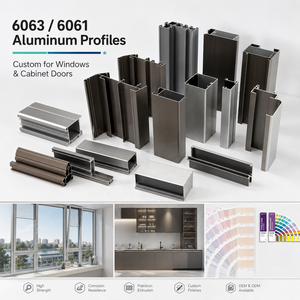 Extrusion Profile
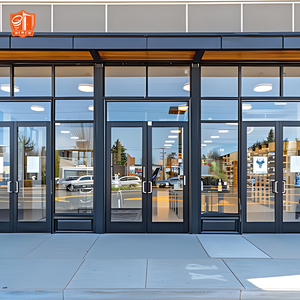 Commercial Openable
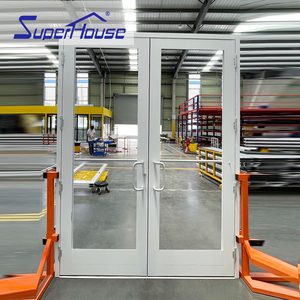 NOA Impact Rated
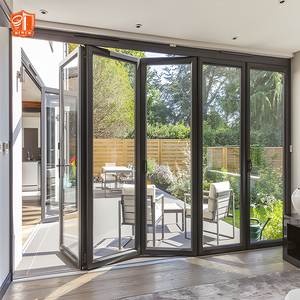
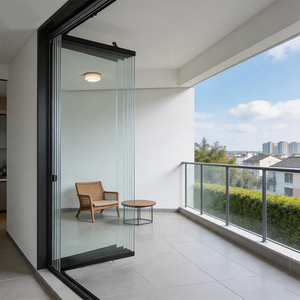 Panoramic Fold
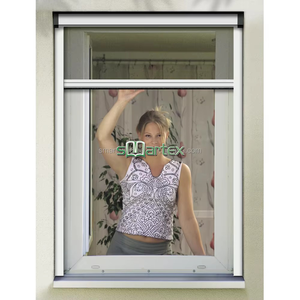 Screen Integrated
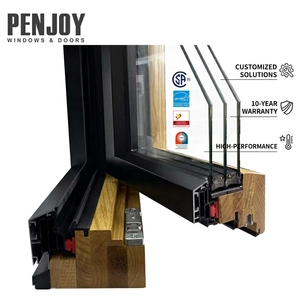 Passive House
 Hurricane Tested
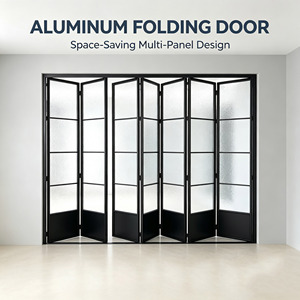 Minimalist Slim
Top 10 Aluminum Openable Window Manufacturers & Suppliers
Benchmarking the global leaders across fabrication footprint, engineering compliance, architectural flexibility, structural testing ratings, and custom export capabilities.
DERCHI (Guangdong Dejiyoupin)
Top-tier manufacturer specializing in AS 2047 N6 cyclonic tested aluminum casement, tilt-and-turn, and clad wood systems. Features in-house fluorocarbon powder coating, automated CNC extrusion lines, and end-to-end BIM/CAD engineering support for global developers.
Schüco International
Renowned European systems house celebrated for ultra-high thermal insulation (AWS 90.SI+ series), smart mechatronic opening concealed drive gear (TipTronic), and cradle-to-cradle sustainability certifications for flagship civic towers.
Reynaers Aluminium
Pioneers in high-insulation aluminum openable systems, MasterLine 8 casement/pivot windows, and minimalist sightlines engineered for extreme wind resistance and airtightness in high-rise coastal developments.
Kawneer (Arconic)
Commercial glazing and architectural envelope heavy-duty supplier. Known for blast-mitigation casement units, hurricane-rated storefront operable sash systems, and extensive institutional installations across North America.
YKK AP Inc.
Global fenestration giant with rigorous proprietary hardware and surface treatments. Renowned for YOW 350 XT thermal architectural openable windows and extreme seismic resilience throughout the Asia-Pacific basin.
Wicona (Hydro Group)
Market leader utilizing Hydro CIRCAL (minimum 75% recycled end-of-life aluminum) to deliver the Wicline 75/90 window series. Features top-tier thermal break efficiency and complex parallel-opening facades.
Alumil S.A.
One of Southeastern Europe's largest industrial extrusion giants. The SMARTIA and SUPREME lines deliver cost-effective, thermal break openable windows optimized for intense Mediterranean UV radiation and marine exposure.
Cortizo Extrusion
Specialists in sleek, contemporary minimalist casement windows with invisible concealed hardware (COR 70/80 Industrial) and high thermal barrier metrics compliant with demanding European energy performance regulations.
Technal
A premier French architectural systems designer offering the SOLEAL casement window series. Highly specified by European architects for acoustic dampening options, aesthetic handle customization, and micro-aeration performance.
Fleetwood Windows & Doors
Renowned American manufacturer focused on ultra-large operable window-wall configurations and monumental hinged casements for modern luxury estates, featuring proprietary anodized coastal architectural finishes.
Openable Window Performance Specification Matrix
Direct engineering parameter comparison across key operational types: Side-Hung Casement, Tilt-and-Turn, Top-Hung Awning, and Parallel Projected Systems.
| Typology | Typical Profile Depth | Max Sash Dimension (W×H) | Air Permeability | Water Tightness | Acoustic Attenuation (Rw) | Thermal Uf Range |
|---|---|---|---|---|---|---|
| Tilt-and-Turn (European) | 70mm – 90mm (Multi-Cavity) | 1600mm × 2400mm | Class 4 (EN 12207) | E1200 (1200 Pa) | 38 dB – 45 dB | 1.0 – 1.6 W/(m²·K) |
| Outward Side-Hung Casement | 60mm – 75mm (Thermal Break) | 1000mm × 1800mm | N6 / Level 300 (AS 2047) | 600 Pa – 900 Pa | 34 dB – 40 dB | 1.3 – 1.9 W/(m²·K) |
| Top-Hung Awning Window | 65mm – 80mm (Triple Gasket) | 2000mm × 1400mm | AAMA CW-PG70 | 720 Pa (15 psf) | 35 dB – 42 dB | 1.2 – 1.8 W/(m²·K) |
| Parallel Projected Vent | 80mm – 100mm (Curtain Wall) | 2200mm × 3000mm | Class AE (EN 12152) | RE 1500 Pa | 40 dB – 46 dB | 1.1 – 1.5 W/(m²·K) |
| Aluminum-Clad Wood Casement | 85mm – 110mm (Composite) | 1200mm × 2200mm | Passive House Certified | 1050 Pa | 42 dB – 48 dB | 0.75 – 1.0 W/(m²·K) |
Future Procurement & Technological Trends
Strategic fenestration procurement requires anticipating regulatory, structural, and ecological transitions across global building codes.
Smart Actuation & Automated Micro-Aeration
Standard mechanical espagnolettes are increasingly supplemented by 24V brushless DC actuators concealed completely inside profile chambers. Operable via BACnet or KNX protocol, these systems autonomously adjust sash opening angles based on indoor CO₂ concentrations, relative humidity, and rainfall radar alerts.
Vacuum Insulated Glazing (VIG) Integration
Procurement is pivoting from heavy triple-glazed packages toward ultra-slim Vacuum Insulated Glass (VIG) units. With center-of-glass Ug ratings reaching 0.45 W/(m²·K) in a total glass thickness of merely 8.3mm, slimline aluminum sashes carry 40% less dead-load while doubling thermal barrier performance.
Marine Grade C5-M & Qualicoat Seaside
With rapid development across coastal metropolitan skylines, project specifications require Qualicoat Seaside certified powder coatings and 25-micron class anodizing capable of surviving 3000-hour cyclic neutral salt spray (ASTM B117 / ISO 9227) without filiform corrosion or gloss degradation.
Guangdong Dejiyoupin Doors & Windows (DERCHI)
Ranked among China's top 10 premium architectural door and window systems manufacturers, Guangdong Dejiyoupin Doors and Windows Co., Ltd. (DERCHI) operates an ultra-modern 180,000 square meter integrated fabrication base in Foshan, Guangdong. Controlling every process in-house—from alloy billet melting, precision extrusion, and surface finishing to automated hardware assembly and glass thermal lamination—we eliminate middleman markups and ensure rigorous quality assurance.
Our engineered systems are certified to Australia's AS 2047 standard (achieving maximum N6 cyclonic wind load resistance), CE, ISO 9001, and UL fire standards. With dedicated engineering teams working in real-time across Oceanic, North American, and European timezones, we provide complimentary custom CAD shop drawings, BIM integration, and door/window schedules tailored directly to client blueprints.


Frequently Asked Questions for Sourcing Aluminum Windows
Practical technical advice covering wind loading, export compliance, thermal performance, and logistics for general contractors, specifiers, and procurement directors.
Q1. What structural wind rating is required for high-rise or coastal installations?
For coastal and high-wind environments, specify profiles certified to Australian AS 2047 N5 or N6 ratings (up to 3000 Pa serviceability / 4500 Pa ultimate wind pressure) or North American AAMA CW/AW architectural classifications. Ensure that the corner joints feature cast-aluminum cleats with double-injected epoxy resin to resist dynamic gale loads without racking.
Q2. How do thermal break designs prevent interior condensation?
Quality thermal break aluminum windows utilize glass-fiber reinforced polyamide insulation strips (PA66 GF25) measuring between 24mm and 34mm in depth. This physical barrier mechanically separates the outdoor aluminum shell from the indoor frame, preventing thermal bridging, condensation drips, and secondary structural mold.
Q3. Can we request tailored hardware configurations such as multipoint concealed locks?
Yes. Commercial manufacturers support standard European C-groove or 16mm sash groove systems compatible with world-class hardware lines like Siegenia, Roto, Hoppe, or proprietary concealed heavy-duty hinges capable of supporting sash weights of up to 200 kg for triple-glazed units.
Q4. How are windows protected against damage during international ocean transit?
Units are wrapped in protective polyethylene peel-coat films, cushioned with heavy-gauge corner guards, sealed in multi-layer bubble wrap, and loaded into fumigated solid plywood crates or steel A-frames. Crating complies fully with ISPM-15 biosecurity quarantine regulations for direct discharge in Australia, New Zealand, Europe, and the Americas.
Q5. What engineering documents are provided before production begins?
Reputable suppliers deliver full sets of CAD shop drawings, cross-sectional extrusion details, elevation schedules, structural glass deflection calculations, and hardware layout schematics for formal architect or local certifier approval before extrusion cutting starts.
Q6. What is the standard lifespan and warranty on powder-coated aluminum windows?
Architectural powder coatings meeting AAMA 2604 or Qualicoat Class 2 specifications carry 10 to 15-year weatherability guarantees against chalking, fading, and peel. Ultra-durable fluorocarbon (PVDF) coatings applied to coastal projects offer service life ratings exceeding 25 to 30 years.