Engineering Integrity & Global Sourcing Benchmark for Aluminum Insect Screen Doors
In commercial glazing, multi-residential developments, and luxury architectural estates, the modern aluminum mosquito screen door has evolved far beyond basic insect prevention. Today's global building envelopes demand multifaceted barrier systems that deliver AS 2047 structural compliance, NFRC thermal isolation, coastal C5-M anti-corrosion resistance, and Australian Standards (AS 5039/5041) impact resistance. This comprehensive engineering evaluation reviews the top 10 manufacturing parameters, metallurgy standards, and verified supplier credentials shaping international fenestration exports.
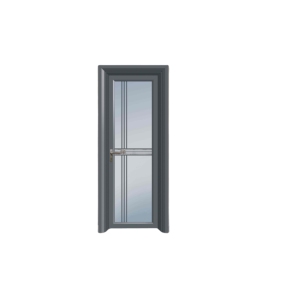
Fuson Eco-Friendly Aluminum Frame Glass Screen Hinge Door
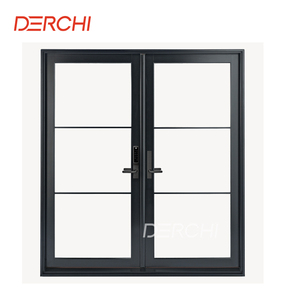
Commercial High Impact Swing Entry Door with Integrated Insect Net
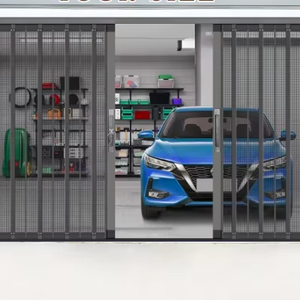
Diamond Mesh Anti-Mosquito Invisible Folding Insect Screen
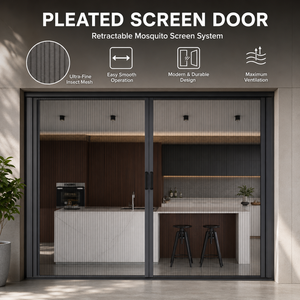
Horizontal Rolling Fiberglass Pleated Retractable Fly Screen
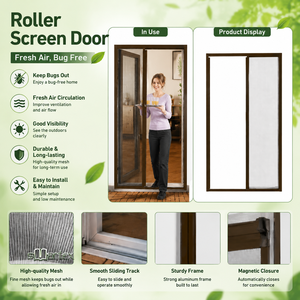
Custom Architectural Size DIY Roller & Pleated Screen Cassette
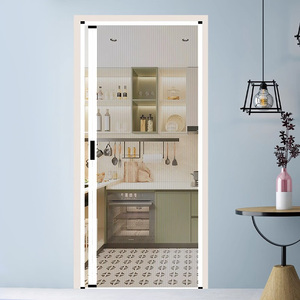
Low-Profile Accessible Sill Folding Pleated Anti-Insect Entry Door
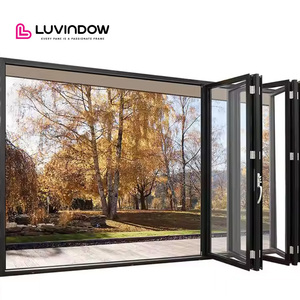
NFRC Thermal Break Exterior Heavy Duty Bifold Door with Flyscreen
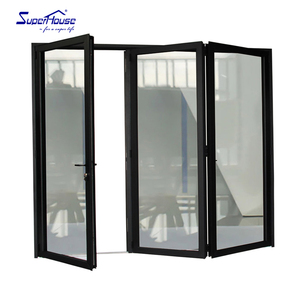
Commercial Hurricane Rated Aluminum Bifolding Door with Retractable Screen
Evaluating the Top 10 Aluminum Mosquito Door Suppliers & Exporters
Procurement managers and fenestration engineers cannot rely solely on glossy brochures. Sourcing aluminum insect screen systems for multi-unit residential towers, beachfront hospitality resorts, or harsh climate zones requires auditing ten decisive technical disciplines:
1. Primary Ingot Metallurgy & Alloy Grade
Top-tier exporters utilize strictly virgin 6063-T5 or 6063-T6 architectural grade aluminum extrusions, avoiding contaminated scrap aluminum that causes structural micro-cracking and galvanic corrosion.
- Wall thickness ≥ 1.4mm - 2.0mm for doors
- Tensile strength ≥ 205 MPa
- Chemical composition according to ASTM B221
2. Screen Mesh Metallurgy & Wire Weave
Evaluating the distinction between standard fiberglass, 304 architectural stainless steel, and marine-grade 316 stainless steel diamond mesh for high-security, knife-shear tested applications.
- 316 Marine Stainless Steel (AS 5041 knife-shear resistant)
- High-tenacity UV-stabilized fiberglass mesh
- Aperture sizing: 18x16 mesh (1.2mm x 1.4mm) for no-see-ums
3. Surface Finishing & Salt Spray Resistance
Coastal and tropical applications demand fluorocarbon (PVDF) or Qualicoat Class 2 certified powder coatings from reputable suppliers like AkzoNobel or PPG to resist blistering, chalking, and UV degradation.
- > 3,000 hrs ASTM B117 salt spray testing
- Qualicoat Seaside powder coating endorsement
- Anodized layer depth ≥ 20-25 μm (Class 1)
4. Cycling Endurance & Hardware Fatigue
Evaluating commercial-grade roller bearings, high-memory tension strings (Vectran/Kevlar cords), and continuous corner key stability to prevent sagging and operational jamming over decades.
- Retractable pleats tested to 100,000+ open-close cycles
- Stainless steel heavy-duty carriage rollers
- Cast aluminum corner cleat reinforcement
5. Thermal Break Integration (Polyamide Strips)
For colder climates or air-conditioned luxury homes, doors must integrate low-E double-glazed panels with PA66 GF25 reinforced thermal insulation bars alongside integrated mosquito net cavities.
- Glass U-value ≤ 1.6 W/m²K
- AAMA / NFRC certified thermal boundary performance
- Condensation risk mitigation
6. International Building Code Compliance
Exporters must hold authentic, third-party certified test reports for destination markets (AS 2047 for Australia/NZ, CE / EN 14351-1 for Europe, and NFRC / Miami-Dade for North America).
- Australia / New Zealand: AS 2047, AS/NZS 1170
- United States: NFRC, ASTM E1886/E1996 hurricane
- European Union: CE Marking, EN 12207 air tightness
7. Engineering Shop Drawing Capability (CAD/BIM)
A reliable supplier must provide bespoke CAD shop drawings, sectional details, extrusion profiles, and Revit BIM models within 24–48 hours to match complex contractor schedules.
- Parametric 3D CAD modeling
- Structural deflection load calculations
- Custom sill and sub-head flashing integration
8. Accessibility & Barrier-Free Threshold Sills
Modern architectural codes demand barrier-free transition. Leading exporters utilize flush sub-sill guides (less than 3mm-5mm profile height) with self-draining track mechanisms.
- ADA and universal accessibility compliant
- Retractable caterpillar chain bottom guidance
- Recessed channel options for tile/timber floor matching
9. Export Packaging & Ocean Logistics Security
Preventing transport deformation, moisture damage, and container racking requires non-fumigation solid wood crates, multi-layer protective films, and desiccated wrapping.
- Steel-reinforced edge protection
- Moisture-resistant poly-wrap and desiccants
- Container packing plans (LCL/FCL maximization)
10. Manufacturer Direct Quality Assurance (QA/QC Traceability)
Choosing an integrated factory with full R&D, extrusion anodizing, CNC machining, and automated sash assembly ensures zero intermediary margin markups and 100% component traceability from billet to site.
- Factory VR audits & real-time video QC sign-off
- Pre-shipment functional assembly and fit checks
- Dedicated English-speaking technical account managers
Screen Door Material & Specification Comparison
Compare structural alloy profiles, mesh engineering, and performance credentials across our core product lines:
| Door System Type | Aluminum Alloy | Mesh Type & Gauge | Wind Load Rating | Corrosion Resistance | Primary Application |
|---|---|---|---|---|---|
| Thermal Break Casement Entry | 6063-T6 (2.0mm wall) | 304 Stainless Steel (0.7mm) | AS 2047 N5 (2500 Pa) | > 2,500 hrs Salt Spray | Luxury Villas, Coastal Frontage |
| Diamond Security Screen Folding | 6060-T6 High Tensile | 316 Marine SS (0.8mm Diamond) | AS 5039 Security Compliant | > 3,500 hrs C5 Marine | High-Risk Residential, Ground Floors |
| Heavy-Duty Commercial Bifold Door | 6063-T5 Structural | Double Glazed DGU + Pleated Flyscreen | AS 2047 N6 Cyclone (3000 Pa) | PVDF 3-Coat Flurocarbon | Commercial Storefronts, Balconies |
| Low-Profile Pleated Retractable | 6063 Architectural | PP / PET Pleated Memory Mesh | Moderate (Class 2 EN 1932) | Qualicoat Class 2 Powder | Patio Entrances, Barrier-Free Sills |
| DIY Modular Roller Screen Door | Extruded Cassette Alloy | Vinyl-Coated Fiberglass (18x16) | Standard Residential | Anodized 15μm | Renovations, Interior Courtyards |
Future Procurement & Product Development Trends (2025–2030)
Fenestration and exterior envelope design are experiencing a major paradigm shift. Specifiers must anticipate regulatory pressures and architectural innovations when finalizing supply agreements:
1. Zero-Threshold Biophilic Flow
Demand is surging for seamless indoor-outdoor transitions. Recessed floor channels and hidden caterpillar chain tracks eliminate tripping hazards while blending living rooms with patios without insect ingress.
2. Integrated Smart Motorization
Automated roll-up screens embedded directly into curtain wall and bifold door head lintels, operated by Zigbee, Tuya, or Matter protocols with obstacle detection and wind sensor auto-retract.
3. Thermal Decoupling & Net-Zero
Increasing energy compliance (such as Australia's 7-star NatHERS and European Passivhaus) requires insect screens to coexist with continuous thermal break doorframes without thermal bridging.
4. Anti-Pollution Nano-Mesh Metallurgy
Next-generation meshes integrate electrostatic nano-fibers and micro-perforated stainless alloys that block PM2.5 particulate matter and bushfire embers while maintaining 78% natural light transmittance.
Direct From China's Leading Door & Window Enterprise
Guangdong Dejiyoupin Doors and Windows Co., Ltd. (DERCHI) operates one of Asia's most advanced 180,000 m² smart production bases in Shishan Town, Foshan. With 25+ years of dedicated engineering and over 600 skilled technicians, DERCHI delivers precision-crafted architectural entry and insect screen doors to Oceania, North America, Europe, and the Middle East.


Frequently Asked Questions by Global Importers & Contractors
Straight technical answers regarding certifications, logistics, material lifespans, and custom OEM manufacturing.
What makes AS 2047 testing crucial for aluminum screen doors?
How does 316 marine stainless mesh differ from 304 mesh?
Can retractable pleated mesh doors span wide multi-slide openings?
What is the lead time for custom OEM door orders?
How are doors protected against damage during ocean container transit?
Do you provide CAD shop drawings and BIM models for architects?
Are thermal break aluminum mosquito doors energy certified?
What is the Minimum Order Quantity (MOQ) for international orders?
Ready to Engineer Your Project's Mosquito Door Solution?
Collaborate directly with DERCHI's Foshan technical team. Send us your architectural drawings, door schedules, or project opening dimensions to receive complimentary CAD shop drawings, structural wind load analysis, and competitive factory-direct pricing within 24 hours.