Procurement Directory & Technical Analysis
Engineering Excellence in Aluminum-Clad Exterior Door Fabrication
Selecting an international tier-1 exporter requires balancing structural durability, air-water tightness ratings, thermal U-values, and strict building compliance such as AS 2047, NFRC, CE, and UL certifications. This guide explores the benchmark architectural collection, comparative technical parameters, market dynamics, and procurement procedures designed for developers, architects, and direct facade importers.
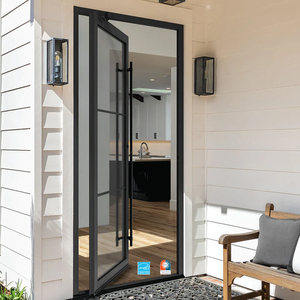
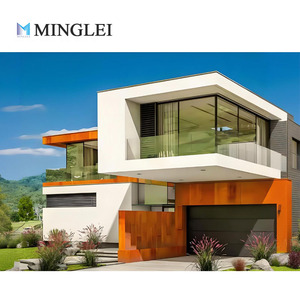
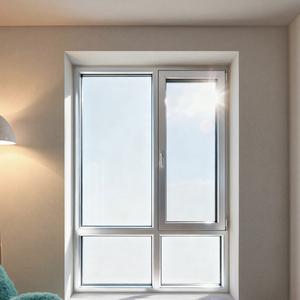
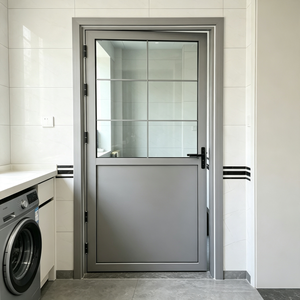
Engineering Baseline
Structural & Thermal Performance Matrix
A data-backed comparison of standard, marine-treated, and thermal-break architectural aluminum clad exterior systems.
| System Parameter | Standard Architectural Clad | Thermal-Break Isobar Clad | Heavy-Duty Pivot & High Security |
|---|---|---|---|
| Alloy Standard & Temper | 6063-T5 / T6 Extrusion | 6063-T6 Precision Polyamide Insulated | 6060-T66 / Cast Alloy Reinforcement |
| Thermal Transmittance (U-Factor) | U ≤ 2.2 W/(m²·K) | U ≤ 1.4 - 1.1 W/(m²·K) (Triple Low-E) | U ≤ 1.3 W/(m²·K) (Insulated Core) |
| Air Infiltration Rating | Level 4 (ASTM E283 / AS 2047) | Level 7 / 0.02 L/(s·m²) tight envelope | Acoustic multi-point compression seal |
| Wind Load Deflection | Serviceability up to 2500 Pa | AS 2047 N6 Compliant (≥ 4500 Pa) | Structural Ultimate ≥ 5000 Pa (Severe Gale) |
| Surface Coating Spec | AAMA 2603 Powder Coating (60μm) | AAMA 2605 Fluorocarbon PVDF / Anodized | Marine-Grade C5-M 3-Coat System |
| Hardware Integration | Standard 3-Point Mechanical Latch | German Hoppe / Siegenia Multi-Point | Kaba/Dorma Floor Spring + Biometric Smart Hub |
Strategic Sourcing Analysis
Future Sourcing Trends for Architectural Exterior Envelopes
How regulatory updates, climate resilience demands, and automated production are altering B2B window and door procurement.
High-Performance Thermal Decoupling
Stringent building envelope mandates (Title 24, NCC Section J, Passive House) are making 24mm-34mm multi-chamber polyamide thermal break strips the minimum baseline for aluminum clad assemblies, eliminating cold bridging and condensation issues.
Oversized Formats & Pivot Dynamics
Architectural demand is leaning decisively toward single-leaf oversized pivot systems spanning 1.8m wide by 3.5m+ high. Manufacturers who engineer heavy-capacity concealed self-closing pivot pivots rated to 500kg+ hold significant export advantages.
Marine-Grade Resiliency (C5-M Classification)
With coastal urbanization across Oceania, North America, and the Caribbean, procurement agents require marine-spec warranties, selecting AAMA 2605 fluorocarbon finishes and 316 stainless steel reinforcement to withstand continuous salt fog exposure.
Manufacturing Powerhouse
Guangdong Dejiyoupin Doors and Windows Co., Ltd. (DERCHI)
Headquartered in Foshan, Guangdong, DERCHI is ranked among China's top tier manufacturers. Operating an expansive intelligent production base, we provide end-to-end extrusion processing, precision assembly, and rigorous testing under one roof.
180,000m²
Smart Manufacturing Base
25+
Years Engineering Expertise
600+
Certified Production Personnel
100+
Global Patents & Accreditations
AS 2047 & NFRC Strict Testing
Our aluminum entrance systems achieve certified N6 wind ratings along with proven air/water tightness, matching stringent Oceanic and North American building codes.
Free CAD & BIM Engineering Support
In-house structural engineers evaluate window schedules and shop drawings, supplying comprehensive AutoCAD, Revit, and structural calculation reports prior to extrusion.
Integrated One-Stop Supply Chain
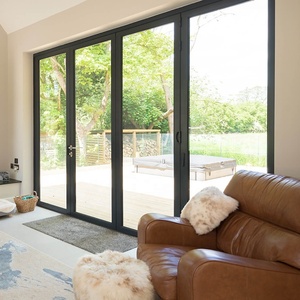
Consolidate whole-house building openings—entry doors, pivot systems, folding doors, and casement windows—into unified FCL/LCL shipments to minimize freight logistics.
Procurement Knowledge Base
Frequently Asked Questions on Importing Exterior Doors
Direct technical answers addressing lead times, compliance certification, structural crating, and marine deployment.
How do DERCHI aluminum clad exterior doors verify structural compliance with local building codes?
Our door assemblies undergo third-party laboratory verification in accordance with AS 2047, AS 1288, ASTM E283/E330/E331, and NFRC guidelines. We provide formal test reports specifying ultimate wind pressure limits (up to N6 classification), water penetration resistance (exceeding 450 Pa), and air infiltration parameters. Full technical schedules and certification packs are provided during tender documentation to streamline council and private certifier sign-offs.
What is the primary difference between pure aluminum entry doors and aluminum-clad systems?
Pure aluminum entry systems utilize thick-wall 6063-T6 or cast alloy panels optimized for extreme durability, non-combustibility, and absolute weather resistance. Aluminum-clad systems integrate an exterior heavy-gauge aluminum weather shell with an internal solid timber or structural composite core. This configuration achieves superior interior thermal performance and natural wood aesthetics while utilizing the external aluminum skin to ward off UV degradation, seasonal warping, and precipitation.
How are exterior pivot doors sealed against heavy driving rain and wind?
Pivot doors feature continuous perimeter EPDM or silicone-based rubber gaskets coupled with automatic drop-down concealed threshold drop seals. In high-exposure or coastal positions, we engineer an offset recessed sub-sill with integrated drainage channels and concealed water deflection baffles to handle dynamic wind-driven rain pressures without allowing moisture transfer across the finished floor level.
What export packaging measures prevent surface abrasion and transit warping?
Every door undergoes multi-layer protection: protective film applied to powder-coated profiles, corner impact guards, high-density polyethylene foam wrapping, and fully enclosed IPPC-compliant fumigated non-coniferous timber crates. Glass panels feature shatter-resistant edge wraps and desiccant bags inside crate containers to manage oceanic humidity swings across shipping routes.
Can DERCHI accommodate bespoke architectural sizes and custom locking mechanisms?
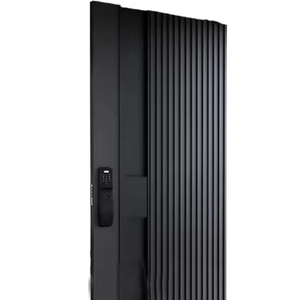
Yes. Approximately 85% of our export output is tailored to specific architectural schedules. We engineer bespoke panel heights exceeding 3800mm, integrate motorized multipoint electromechanical locks, accommodate biometric / smart home integration (Tuya, TTLock, or building BMS), and supply custom architectural pull handles in brushed PVD, stainless steel, or anodized finishes.
Plan Your Next Architectural Facade Project
Submit your door schedules, architectural floor plans, or project elevations. Our bilingual engineering team reviews structural loads, provides shop drawings, and issues comprehensive FOB/CIF proposals within 24 hours.
Inquire Now