Top 10 Aluminium Sliding Cupboard Doors Manufacturer & Factory
Comprehensive B2B Engineering Specification, Architectural Procurement Trends, and Global Supply Chain Guide for Commercial & Residential Built Environments
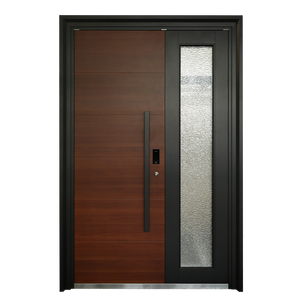
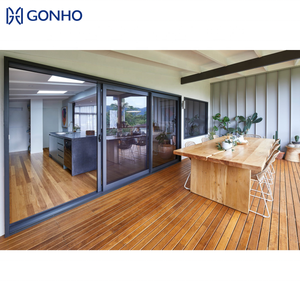
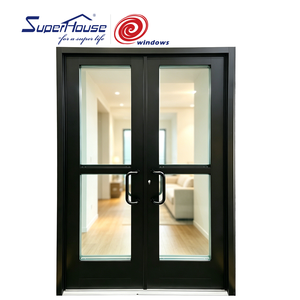
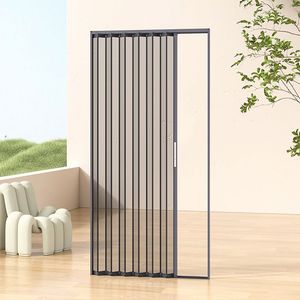
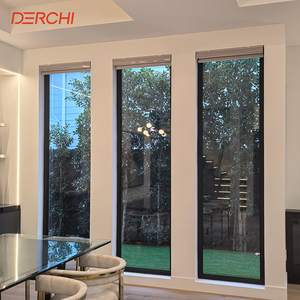
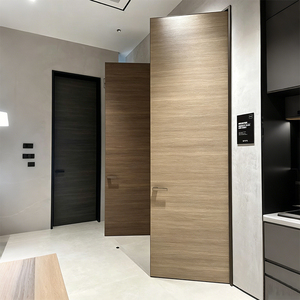
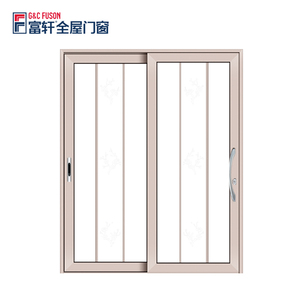
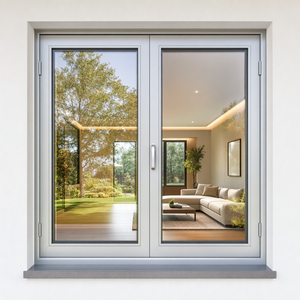
Featured Architectural Aluminum Door & Window Assemblies
Precision extruded aluminum alloy systems engineered for structural rigidity, multi-track sliding cupboard efficiency, and seamless spatial transitions.
Executive Sourcing Summary: Navigating Modern Aluminum Sliding Cupboard Door Fabrication
In high-density commercial developments, high-end residential towers, and custom hospitality spaces, the architectural specification of interior cabinetry and storage solutions has evolved. No longer treated as passive millwork, aluminium sliding cupboard doors serve as vital spatial dividers, acoustic dampeners, and structural design features. Sourcing from premier manufacturers requires rigorous technical scrutiny of alloy tempering, track extrusion tolerances, roller wheel bearing composition, and environmental resistance standards.
Selecting among the top 10 aluminium sliding cupboard doors manufacturers requires moving past decorative finishes to evaluate foundational metallurgical standards. Leading global tier-1 factories distinguish themselves through in-house extrusion lines utilizing primary 6063-T5 and 6060 architectural-grade billets, fluorocarbon (PVDF) and architectural anodizing equipment, and calibrated multi-point CNC machining that prevents edge warping across ultra-tall panel heights up to 3.2 meters.
Critical Evaluation Criteria for Top-Tier Aluminium Sliding Cupboard Door Manufacturers
1. Metallurgical Purity & Extrusion Geometry
Tier-1 factories avoid scrap aluminum remelt, relying exclusively on homogeneous 6063-T5 or T6 alloys. Wall thickness must maintain strict tolerances (minimum 1.4mm to 2.2mm for load-bearing tracks) to eliminate torsion and track sagging under heavy laminated or mirror glass inserts.
2. Rolling Kinetic Hardware & Damping Mechanics
The operational longevity of a sliding cupboard door is dictated by its bottom carriage and top guide assemblies. Top factories implement sealed, carbon-steel ball bearings encased in self-lubricating POM (Polyoxymethylene) or ultra-high-molecular-weight polyethylene (UHMW), backed by bi-directional hydraulic soft-close pistons rated for >100,000 cycles.
3. Surface Finishing Integrity & Anodic Microns
Commercial hospitality and coastal residential wardrobes require accelerated salt-spray and UV testing. Top manufacturers provide Qualicoat-certified architectural powder coatings (60-80 microns) and Grade 15/20 architectural anodizing to eliminate pitting, flaking, or discolouration caused by skin acid and atmospheric humidity.
Technical Engineering Standards: Commercial Specifiers Comparison
| Engineering Attribute | Standard Commercial Grade | DERCHI Industrial Whitepaper Benchmark | Project Impact & Compliance |
|---|---|---|---|
| Alloy Composition | Recycled 6063 Blend | Virgin Billet 6063-T5 / T6 Temper | Zero structural crystallization; higher structural load limits. |
| Profile Sightlines | 45mm - 60mm Stile Width | Ultra-Narrow 16mm - 20mm Slim Stile | Maximizes visible glass/infill area; modern minimalist aesthetic. |
| Kinetic Cycle Life | 15,000 – 25,000 Openings | >100,000 Continuous Dynamic Cycles | 30-year operational life without track pitting or carriage wobble. |
| Infill Versatility | 5mm Single Glass or Board | 8mm-12mm Fluted, Laminated, Low-E, Sintered Stone | High acoustic damping (up to Rw 36 dB) and impact safety. |
| Soft-Closing Action | Single Spring Compression | Dual-Axis Hydraulic Damper System | Eliminates door bounce-back; protects finger entrapment zones. |
Future Procurement Trends in Aluminium Sliding Cupboard Architecture (2025–2030)
The global interior architectural sector is experiencing three transformative shifts impacting how corporate developers, interior designers, and general contractors procure wardrobe and cupboard assemblies:
1. Full Ceiling Height Convergence (Zero Header Clearance)
Traditional bulkhead headers are being replaced with recessed, concealed ceiling tracks. Wardrobe sliding doors now span floor-to-slab (up to 3.2m), requiring profile integration with internal steel anti-warping tension rods (counter-bow devices) to preserve parallel vertical alignments.
2. Smart Electrochromic & Integrated Lighting Profiles
Modern commercial installations demand internal low-voltage electrification. Cupboard extrusion stiles are engineered with integrated conduit channels to drive smart switchable privacy glass (PDLC) and concealed 24V perimeter LED linear lighting activated by kinetic roller triggers.
3. Low-Carbon Aluminum & Modular Disassembly
Driven by LEED, BREEAM, and Green Star certifications, procurement specifications mandate recycled content tracing and chemical compliance (RoHS, REACH). Top-tier manufacturers utilize scrap-free extrusion methods and dry-glazing EPDM gaskets for end-of-life circular disassembly.
Factory Direct Capability: Guangdong Dejiyoupin Doors and Windows Co., Ltd.
Recognized as an authoritative powerhouse among China's top door and window manufacturing groups, Guangdong Dejiyoupin Doors and Windows Co., Ltd. (DERCHI) operates a world-class production infrastructure spanning 180,000 square meters in Foshan, Guangdong. Backed by over 25 years of engineering leadership, DERCHI delivers integrated structural solutions spanning aluminum sliding doors, high-end pivot systems, insulated casements, and precision interior cupboard sliding profiles.
DERCHI's systems undergo comprehensive third-party structural testing, holding international CE, ISO 9001, FCC, RoHS, and Australian AS 2047 (N6 Wind Rating) compliance certifications. With in-house automated CNC fabrication centers, custom extrusion finishing, and 30+ patented engineering designs, DERCHI bridges the gap between complex architectural concepts and factory-direct volume production for commercial projects across Oceania, North America, and Europe.
Frequently Asked Technical Questions (FAQ)
In-depth answers addressing structural engineering, hardware load ratings, and ocean logistics for global project buyers.
What profile wall thickness is recommended for oversized (over 2.7m) sliding cupboard doors?
How do top factories prevent roller derailment and vibration over extended commercial use?
What acoustic isolation (Rw / STC) ratings can be achieved with aluminum sliding wardrobe partitions?
How does DERCHI ensure seaworthy export packaging and avoid glass or profile damage during shipping?
Can custom glass infills, fluted textures, and sintered stone veneers be pre-installed at the factory?
Accelerate Your Project with Certified Architectural Door Systems
Direct factory access, customized CAD shop drawings within 24 hours, and compliance-tested manufacturing for residential developments, villas, and commercial spaces worldwide.
Inquire Now