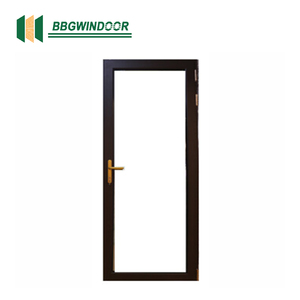
Lukliving Windproof Insulated Crittall French Swing Doors
Engineered slimline profiles with multi-chamber acoustic break, paired with fixed architectural sidelights for high atmospheric stability.
Direct-from-manufacturer architectural fenestration systems verified for air infiltration resistance, seismic tolerance, and high-performance commercial & villa projects.
Engineered slimline profiles with multi-chamber acoustic break, paired with fixed architectural sidelights for high atmospheric stability.
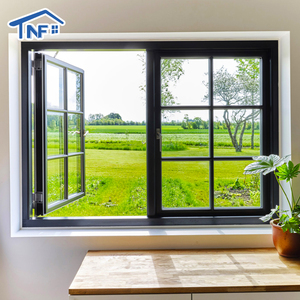
Precision-bent extrusion frames supporting radius geometric fixed glass and French operating sashes with custom weatherproofing gaskets.
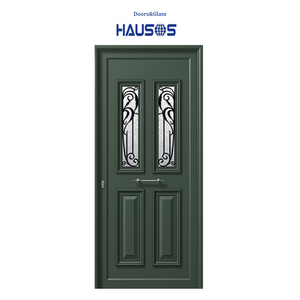
Cast aluminium structural panels integrated with insulated decorative vision glass lites, tested for coastal salt-spray and force resistance.
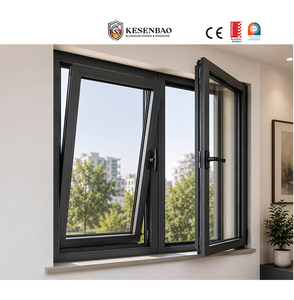
Equipped with Technoform polyamide thermal breaks, multi-point lock systems, and composite IGUs delivering low U-values below 1.4 W/m²K.
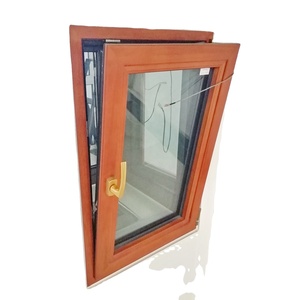
Architectural interior timber framing combined with external marine-grade fluorocarbon-coated aluminium alloy for extreme environmental resistance.
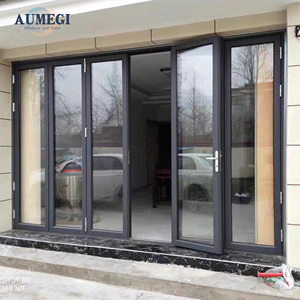
Heavy-duty bottom roller carriage systems with heavy wind-load ratings, perfectly matched with floor-to-ceiling fixed picture sidelights.
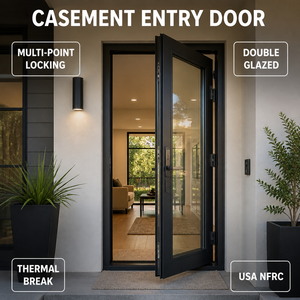
High-torque structural hinge design, concealed perimeter seals, and laminated security glass providing intrusion protection to international standards.
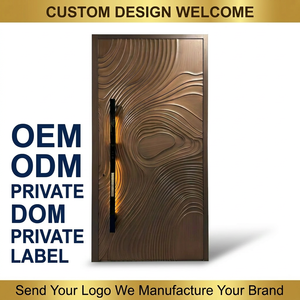
Engineered for cyclone zones (N6 wind rating compliant), impact-resistant solid cast infill, and anti-corrosive powder finishes.
Fixed glass windows (picture windows) account for up to 45% of building facade openings. Unlike operable sashes, fixed units must deliver superior wind resistance and zero air infiltration over long cycles.
High-rise and oversized fixed frames demand virgin 6063-T5 or 6061-T6 architectural aluminium. Ensure profiles comply with AS/NZS 1866 or ASTM B221, maintaining minimum nominal wall thickness ≥2.0mm to resist cyclic deflection.
Avoid standard cold bridge extrusions. Advanced systems implement 24mm to 34mm reinforced Polyamide (PA66 GF25) thermal strips, reducing thermal bridging and achieving Solar Heat Gain Coefficients (SHGC) down to 0.22.
Heavy glass dead-loads require internal EPDM continuous gasket seals, silicone structural bonding (SSG), and calibrated drainage slots to prevent condensation pooling and seal failure under extreme barometric pressure.
| Performance Criterion | Commercial Grade (Standard) | DERCHI High-Performance Grade | Testing Standard / Protocol |
|---|---|---|---|
| Aluminium Extrusion | Recycled billet, 1.4mm profile | Virgin 6063-T5 / 6061-T6, 2.0mm - 3.0mm | AS/NZS 1866 / ASTM B221 |
| Structural Wind Load | Serviceability up to 1500 Pa | Serviceability > 4500 Pa (N6 Cyclonic) | AS 2047 / ASTM E330 |
| Water Penetration Resistance | Static 300 Pa | Dynamic 600 Pa - 1000 Pa | AAMA 501.1 / AS 4420.5 |
| Insulated Glass Unit (IGU) | 5mm + 9A + 5mm Air Filled | 6mm Low-E + 16A Argon + 6mm Warm-Edge | EN 1279 / IGCC Certified |
| Surface Durability | Standard Powder 40-50μm | AkzoNobel Interpon / Fluorocarbon >30 Years | Qualicoat Class 2 / AAMA 2605 |
Architectural demand is moving rapidly from standard off-the-shelf fenestration to low-embodied-carbon, ultra-clear panoramic glazing solutions.
Modern coastal and luxury residential projects demand monolithic views without transom disruptions. Exporters capable of processing 3.5m × 6.0m jumbo single-sheet IGUs with structural interlayers lead the high-end market segment.
The phase-out of traditional high-U double-glazing in cold and temperate zones is accelerating VIG adoption. By eliminating convective gas transfer, 8.3mm VIG panels achieve center-of-glass U-factors below 0.60 W/m²K, matching solid insulated walls.
Major procurement entities across Australia, the EU, and North America now require verified Environmental Product Declarations (EPD). Hydro-powered green smelting aluminium with carbon intensity below 4.0 kg CO₂/kg Al has become a core bid qualifier.
Ranked among China's premier facade and architectural systems fabricators, DERCHI combines 25+ years of precision extrusion, multi-axis CNC machining, and comprehensive international accreditation.
All window assemblies undergo verified static and cyclic deflection tests up to extreme cyclonic pressures, providing council certifiers and facade engineers with fully compliant documentation.
Our in-house technical engineering department provides custom CAD shop drawings, connection detail reviews, and thermal simulation reports free of charge before production begins.
FCL and LCL containerized export to major ports in Australia, New Zealand, and North America. Every pane is sealed with corner guards and packed inside fumigation-free solid timber crates.
Direct answers to technical queries encountered by real estate developers, structural engineers, and global facade importers.
Upload your architectural plans, window schedules, or structural drawings to receive engineering analysis and direct factory pricing within 24 hours.
Get a Quote