Featured Architectural Glazing Systems & Assemblies
Custom manufactured fenestration systems fabricated under ISO 9001 quality gates. Designed for ultra-low thermal transmittance, wind-load deflection resistance, and seamless architectural integration.
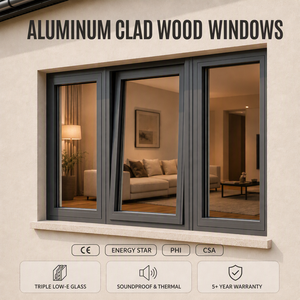
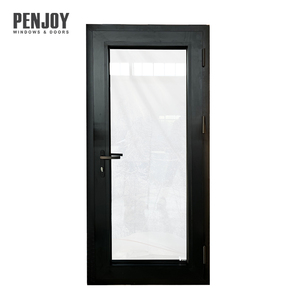
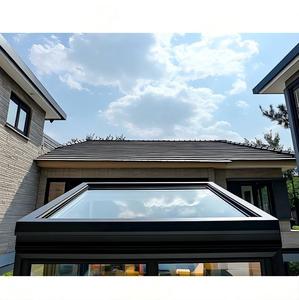
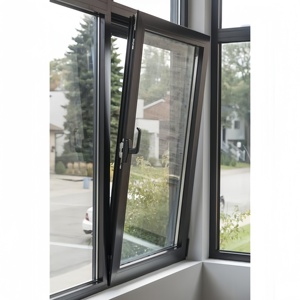
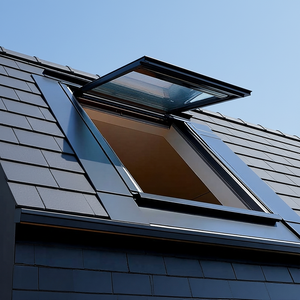
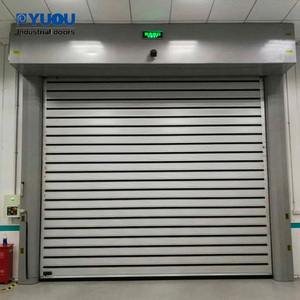
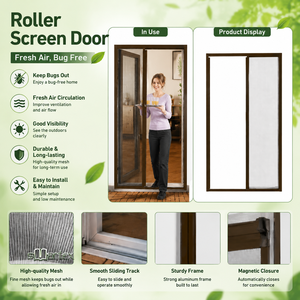
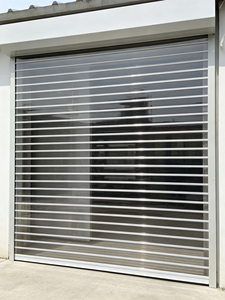
Guangdong Dejiyoupin Doors & Windows Co., Ltd. (DERCHI)
Recognized across the Asia-Pacific as a tier-one engineering authority, DERCHI commands an expansive 180,000 m² industrial production campus in Foshan, Guangdong. Backed by 25+ years of continuous manufacturing evolution, our facility integrates vertical profile extrusion, polyamide thermal barrier inserting, CNC multi-axis milling, automated robotic sealing, and dual-cure architectural fluorocarbon powder coating.
Serving specialized building requirements throughout Australia, New Zealand, North America, and Europe, our fenestration systems are engineered to withstand severe climatic stressors. Having achieved the stringent AS 2047 cyclonic N6 wind-load validation and rigorous CE/UL fire certifications, we eliminate supply chain liabilities for cross-border developers, project architects, and general contractors.


Future Procurement Trends in Architectural Glazing (2026–2030)
Empirical market data identifies critical shifts in commercial door schedules, international building code harmonizations, and low-embodied carbon mandates.
Low-E Polyamide Thermal Stratification
Global procurement guidelines are aggressively transitioning away from uninsulated non-thermal extrusions toward multi-chambered polyamide strips (PA66 GF25). Projects specified across North America and Australasia increasingly mandate whole-system U-values below 1.4 W/m²·K, requiring integrated warm-edge spacers, triple-glazing argon gas fills, and aerogel-infused frame geometries to satisfy net-zero building codes.
Cyclonic Wind-Load Deflection Verification
Climatic volatility has accelerated structural door load requirements. Tier-one builders prioritize factories equipped with localized testing chambers capable of proving cyclic wind-pressure ratings up to AS 2047 Serviceability (SLS) and Ultimate Limit State (ULS) N6 classifications (in excess of 4500 Pa), preventing catastrophic water egress and frame torque under extreme storm events.
Consolidated Prefabricated B2B Assemblies
Escalating on-site labor overheads in target export markets have shifted buyer interest toward fully unitized, factory-glazed packages. Commercial importers demand precision shop drawings (CAD/Revit BIM coordination), pre-hung heavy-duty pivot gear, pre-calibrated multi-point automatic motor drives, and integrated sub-sills that reduce job-site commissioning times by up to 65%.
Engineering Evolution: Next-Gen Aluminium Door Fabrication
Quantifiable structural benchmarks distinguishing modern high-efficiency architectural glass systems from legacy commercial fabrications.
6063-T6 Primary Billet
Eliminating degraded remelt scrap, utilizing virgin primary 6063-T6 aluminum alloys ensuring minimal wall-thickness deviations (≥2.0mm profiles), capable of bearing oversized double/triple IGU glass sash payloads up to 450 kg without sagging.
PVDF Marine Finishes
Multi-coat architectural fluorocarbon resin finishes certified for coastal salt-spray resistance exceeding 3,000 hours. Resists acute UV photodegradation, chalking, and coastal micro-cracking common in maritime installations.
Multi-Chamber EPDM Gaskets
Continuous vulcanized EPDM compression seals paired with asymmetric acoustic PVB laminates, attenuating high-frequency transit noise and achieving significant sound transmission class (STC) performance metrics for luxury hospitality builds.
Smart Actuator Ingress
Hidden motorized electro-mechanical locking assemblies embedded within the extrusion chambers. Direct integration with building management systems (BMS), facial recognition, biometric readers, and automatic safety sensory arrays.
Auditing an Aluminium Fabrication Exporter: Due Diligence Framework
Cross-border procurement leaders mitigate structural risks by auditing factories across 4 primary technical metrics before issuing purchase orders.
1. Traceable Material Mill Test Certificates (MTC)
Demand chemical composition certificates confirming alloy grade compliance. Secondary recovered aluminum contains excessive iron/silicon, creating structural brittleness under wind cycling and poor anodizing coloration.
2. Corner Joint Crimping & Cleating Systems
Inspect corner assembly techniques. Tier-one fabricators use heavy cast-aluminum corner cleats combined with two-part epoxy structural injection glue and CNC mechanical hydraulic crimping to prevent frame racking and seam separation.
3. IGU Glazing Certification & Desiccant Audits
Insulated Glass Units (IGU) must carry verifiable dual-seal barriers (polyisobutylene primary seal, structural silicone secondary). Verify automatic bent-corner spacers containing active molecular sieve desiccants to avert internal fogging.
Frequently Asked Technical Questions (FAQ)
Engineering, logistics, and compliance directives for cross-border architectural aluminum doors and fenestration systems.
We employ precision German-engineered multi-axis CNC machines maintaining tolerances within ±0.5mm across spans up to 4,000mm in height. Profile chambers incorporate internal steel/titanium-magnesium stabilization sleeves to counterbalance thermal expansion forces and prevent sash deflection under high wind pressures.
For beachfront and marine developments within 1km of open ocean, we specify AAMA 2605 compliant PVDF fluorocarbon coatings (min 3-coat system, 70% Kynar 500 resin) or 25-micron marine-grade architectural anodizing, offering complete protection against salt-air galvanic corrosion and pitting.
Each project schedule is accompanied by comprehensive engineering compliance documentation, including AS 2047 structural test reports (N6 rating), AS 1288 glass certification, CE factory production control documents, ISO 9001 quality audit reports, and certified structural shop drawings for council and inspector sign-off.
All assemblies undergo multi-layer protection: peelable protective surface film, shock-absorbing cellular edge guards, shrink wrap, and full-containment IPPC-fumigated non-coniferous timber crates with internal silicone dampening blocks. Ocean freight is containerized utilizing professional bracing systems to eliminate transshipment transit shock.
Typical production cycles range from 25 to 35 business days following formal CAD shop-drawing engineering freeze and glass production approvals. Expedited manufacturing scheduling is accessible for urgent commercial developments and phased container schedules (FCL/LCL).
Yes. We engineer profiles to integrate seamlessly with European standard hardware grooves (e.g., Siegenia, Roto, Hoppe) as well as American mortise multi-point configurations. We also supply factory-calibrated motorized pivot gear compatible with Control4, Crestron, and mobile access controls.
Request Full Architectural Specification & Factory Pricing
Collaborate directly with our facade engineering department. Submit your architectural elevations, door schedules, or tender documentation for custom CAD drawings, thermal assessments, and comprehensive CIF/FOB pricing quotations within 24 hours.