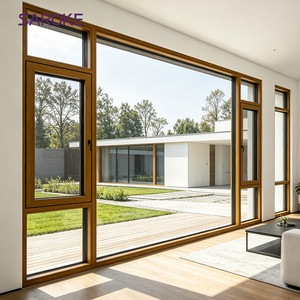
 Moisture Barrier Hybrid
Engineered Solutions
Precision-Fabricated Bathroom & Interior Architectural Systems
Explore our export-grade aluminium fenestration and door fabrications, engineered to withstand extreme humidity, continuous condensation, and aggressive sanitization regimes.
Moisture Barrier Hybrid
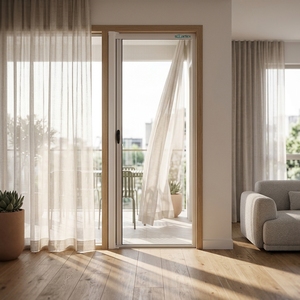 Aero-Ventilation Mesh
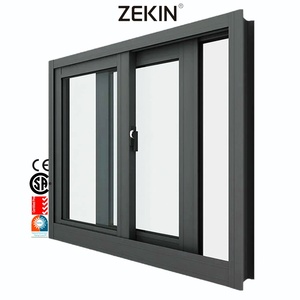 Acoustic Laminated
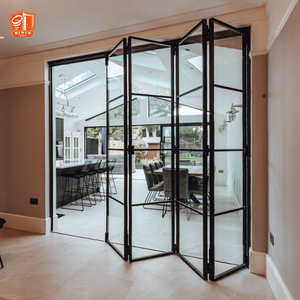 Slimline Heritage
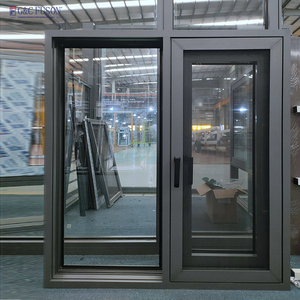 Thermal Break Polyimide
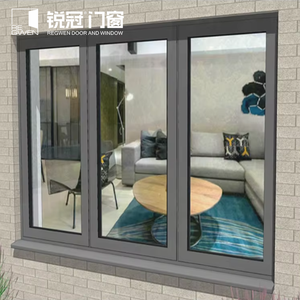 Heavy-Duty Architectural
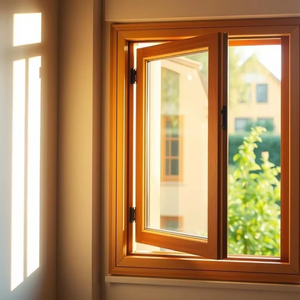 Qualicoat Class 2
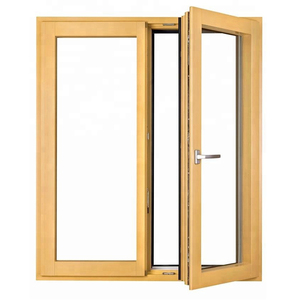 Dual-Action Tilt & Turn
Executive Whitepaper: The Global Aluminium Bathroom Door Manufacturing Landscape
In modern high-density hospitality, luxury residential villas, and commercial healthcare projects, the bathroom door is no longer treated as a passive interior partition. It operates as an environmentally segregated acoustic and vapor barrier subjected to sustained relative humidity exceeding 90%, thermal shock, detergent exposure, and rigorous cyclic opening stresses. For commercial project specifiers, general contractors, and tier-1 procurement directors, selecting qualified aluminium fabrication bathroom doors factories and suppliers demands evaluating metallurgical grade, extrusion tolerances, CNC milling precision, anodized layer depth, and threshold waterproofing engineering.
Historically dominated by conventional timber composites or unplasticized polyvinyl chloride (uPVC), commercial wet areas have undergone an aggressive technological transition. Traditional wood doors suffer irreversibly from fiber swelling, delamination, mold colonization, and hinge screw pull-out in damp environments. While uPVC avoids rotting, its low modulus of elasticity leads to sash sag, yellowing under indirect UV, and structural failure in oversized openings. Engineered aluminium fabrication—particularly using 6063-T5 and 6063-T6 architectural grade billet alloys—delivers an inert, non-porous structural envelope boasting a tensile strength exceeding 215 MPa and complete lifecycle dimensional stability.
100%
Moisture Imperviousness
>215 MPa
Tensile Yield Strength
38 dB+
Acoustic STC Attenuation
100,000+
Tested Duty Cycles
Procurement Intelligence
Top 10 Aluminium Fabrication Bathroom Doors Factories & Suppliers
A rigorous industrial analysis evaluating engineering capability, tooling sophistication, surface metallurgy, quality systems, and export compliance.
1. Guangdong Dejiyoupin Doors & Windows (DERCHI)
Headquartered in Foshan, China's aluminium capital, DERCHI operates a massive 180,000 m² integrated production base with over 25 years of specialized fenestration fabrication. Renowned for its fully automated CNC processing lines, proprietary thermal-break designs, and strict adherence to AS 2047, CE, and ISO 9001 quality systems. DERCHI leads the international OEM/ODM sector with comprehensive BIM/CAD shop drawing integration and heavy-duty concealed wet-area hinge hardware.
2. Schüco International KG
The German pioneer in premium architectural systems. Schüco sets benchmark technical standards for concealed door fittings, acoustic decoupling, and ultra-minimalist sightline profiles. While carrying premium unit costs and longer project lead times, their internal glass-aluminium partitioning systems deliver uncompromising thermal and acoustic performance for landmark commercial headquarters.
3. Reynaers Aluminium
Based in Belgium, Reynaers provides highly engineered slim-frame aluminium interior systems. Their focus on circular sustainability, low-carbon certified secondary billets, and powder coatings compliant with Qualicoat Seaside makes them a preferred specification partner for green building projects striving for LEED and BREEAM certifications.
4. LIXIL Corporation (TOSTEM)
A Japanese global powerhouse with deep integration across sanitary fixtures and building envelopes. TOSTEM's pre-engineered aluminium bathroom doors feature integrated ventilation louvers, antimicrobial hardware treatments, and tight water barrier seals optimized for modular prefabricated bathroom pods in multi-family developments.
5. Xingfa Aluminium Holdings
One of China's largest industrial extrusion suppliers. Xingfa excels in high-volume production runs of structural aluminium profiles with exceptional consistency in wall thickness and alloy temper. They provide Tier-1 developers with base extruded profiles and custom die-tooling capabilities for institutional housing projects.
6. Alumil S.A.
Operating out of South-Eastern Europe, Alumil manufactures specialized architectural systems, including minimalist sliding glass and aluminium partitions. Their products feature flush floor tracks and high-grade corrosion-resistant hardware engineered specifically for Mediterranean and coastal humidity zones.
7. YKK AP Inc.
Renowned for precision mechanical hardware and fenestration technology. YKK AP delivers interior doors characterized by micro-tolerances, proprietary silicone gasketing, and quiet, frictionless roller mechanisms that solve the vibration and rattle issues typical of entry-tier sliding bathroom doors.
8. Guangdong Fenglu Aluminium Co., Ltd.
A heavyweight extrusion manufacturer in China equipped with ultra-large tonnage extrusion presses. Fenglu is capable of custom anodizing, electrophoretic coating, and fluorocarbon spray treatments, making them a strong supply-chain candidate for raw fabricators requiring specialized profile cross-sections.
9. Guangdong JMA Aluminium Co., Ltd.
JMA is deeply entrenched in national standard-setting in East Asia. Their interior door series feature durable anodized finishes that resist discoloration from harsh bathroom chemical agents, combined with double-rebate frame profiles for improved odor containment.
10. Kawneer Architectural Products
With an extensive history in North America and Europe, Kawneer brings heavy commercial framing principles to interior high-traffic wet facilities, such as aquatic centers, premium hospitality spas, and university dormitories requiring vandal-resistant hinges and integrated panic hardware.
Engineering Specification Matrix: Substrate Performance in High-Humidity Zones
Procuring bathroom doors for commercial applications requires understanding how different door materials respond to continuous warm-water exposure, high vapor pressure, and acoustic transmission. The engineering matrix below contrasts primary commercial materials against modern architectural aluminium systems.
| Technical Parameter | Standard Timber / MDF Clad | uPVC Hollow Profile | Architectural Aluminium (DERCHI 6063-T6) |
|---|---|---|---|
| Hydrolytic Swelling & Warpage | High risk (>4.5% volumetric expansion at 90% RH) | Zero swelling; prone to thermal bow (>1.8 mm/m) | Zero swelling / 0.00% volumetric expansion |
| Corrosion & Mold Resistance | Susceptible to fungal decay and laminate lift | Inert; surface micro-scratches trap mold | Class 1 Anodized / Qualicoat Powder: Completely inert |
| Acoustic STC Rating (Typical) | 24 - 28 dB (Hollow core failure) | 26 - 30 dB (Cavity resonance) | 34 - 42 dB (With laminated acoustic glass) |
| Structural Rigidity & Sagging | Core softening under sustained dampness | Requires internal steel reinforcing | Elastic Modulus 69 GPa; rigid structural framing |
| Hardware Fastener Retention | Degrades over 3 - 5 years of cyclical stress | Moderate; prone to screw thread stripping | Direct machine tapping into 2.0mm+ aluminium screw flutes |
| Lifecycle in 5-Star Hotel Wet Rooms | 3 - 7 Years (demands refurbishment) | 8 - 12 Years (aesthetic yellowing) | 25+ Years maintenance-free |
Market Trajectory
Future Sourcing & Procurement Trends in Bathroom Fenestration
Where architectural demand meets advanced metallurgy: key evolutions shaping supply-chain specifications over the next decade.
1. Ultra-Narrow Sightlines & Concealed Thresholds
Architects are driving demand for 16mm to 25mm ultra-slim perimeter stiles paired with barrier-free, zero-step water drainage systems. Sub-floor drainage slots integrated with aluminium sub-frames eliminate trip hazards while satisfying ADA compliance and preventing water escape from curbless wet rooms.
2. Electrochromic "Smart Privacy" Glazing Integration
The standard sandblasted frosted glass panel is being replaced by PDLC (Polymer Dispersed Liquid Crystal) switchable privacy glass wired directly through CNC-routed concealed power hinges in the aluminium profile. This provides instantaneous transitions between transparency and opaque privacy with the touch of a switch or automation sensor.
3. Prefabricated Modular Pod Procurement
Offsite construction and volumetric bathroom pod assembly (PBU) require tight dimensional manufacturing tolerances (±0.5mm). Direct factory-assembled aluminium door cassettes—pre-hung with magnetic silent latches and self-closing dampening systems—allow contractors to drop modular bathrooms directly onto structural floorplates with zero onsite joinery adjustments.
Manufacturing Authority
Guangdong Dejiyoupin Doors and Windows (DERCHI) Capabilities
Recognized as one of Foshan's preeminent fenestration enterprises, Guangdong Dejiyoupin Doors and Windows Co., Ltd. (DERCHI) represents the gold standard in bespoke aluminium bathroom and interior door fabrication. Controlling the complete manufacturing lifecycle from design engineering to final container dispatch, DERCHI eliminates intermediary markups and delivers direct manufacturing accountability.
- 180,000 m² Modernized Manufacturing Park: Housing automated Italian extrusion milling centers, 5-axis CNC machining, and automated corner crimping lines.
- 25+ Years of Industry Leadership: Backed by a workforce of over 600 skilled technicians, metallurgists, and structural engineers.
- Engineering & Testing Rigor: Tested to AS 2047 (N6 Cyclone Rating), CE, ISO 9001, FCC, RoHS, and holding over 100 patents.
- Free Dedicated CAD/BIM Shop Drawings: Tailored specifically to architectural schedules before extrusion tooling commences.
✓ AS 2047 Certified
✓ ISO 9001:2015
✓ CE Compliance
✓ 100+ Technology Patents
✓ Qualicoat Seaside Approved

Ready to Engineer Custom Aluminium Bathroom Doors for Your Project?
Direct factory engineering consultation, full door schedule reviews, and preliminary structural CAD shop drawings generated within 24 hours.
Get a Quote
Technical Clarifications
Commercial Procurement FAQ: Aluminium Bathroom Doors
Addressing the critical engineering, compliance, and logistical questions posed by architects, project quantity surveyors, and international developers.
Why is 6063-T5/T6 aluminium preferred over other alloys for bathroom door fabrications?
Alloy 6063 (specifically heat-treated to T5 or T6 temper) represents the optimal balance of extrusion precision, surface quality, and corrosion resistance. Containing approximately 0.4% Silicon and 0.7% Magnesium, it forms a dense, self-healing chromium-free protective oxide layer when anodized. Its superior surface finish allows defect-free electrophoretic, fluorocarbon (PVDF), or Qualicoat powder finishes that resist moisture, soaps, and acidic shower cleaners without blistering or pitting.
How do aluminium bathroom doors address acoustic privacy (STC ratings) compared to solid timber?
Historically, hollow aluminium doors suffered from internal sound reverberation. Modern engineered systems by top manufacturers like DERCHI mitigate this by utilizing hollow profiles injected with high-density polyurethane acoustic foam, dual-perimeter EPDM/TPE rubber compression gaskets, and double-glazed laminated glass panels (e.g., 5mm Tempered + 0.76mm PVB Acoustic Interlayer + 5mm Tempered). This configuration easily achieves an STC (Sound Transmission Class) rating between 36 dB and 42 dB, exceeding standard hollow-core timber doors.
What surface treatment provides the longest lifespan in high-humidity and marine-coastal environments?
For standard residential use, a 15-micron anodized coating (Grade AA15) or Qualicoat Class 1 powder coating is sufficient. However, for beachfront resorts or high-salinity coastal regions, specifications must mandate **Qualicoat Seaside Class 2 architectural powder coating** (film thickness 60–80 microns) or **Fluorocarbon PVDF 3-coat spray finishes** (with minimum 70% Kynar 500 resin). Hardware fittings should be specified in 316-grade marine stainless steel to prevent galvanic corrosion at hinge pivot contacts.
Can DERCHI customize doors to non-standard opening dimensions and provide shop drawings?
Yes. Every project manufactured at DERCHI is 100% bespoke. Our in-house engineering team works directly from your architectural door schedules and BIM models to generate detailed 2D CAD shop drawings, connection detail sections, and structural threshold schematics before any metal is cut. We accommodate oversized pivot configurations, ultra-tall 3-meter flush panels, and custom CNC hardware pocket pre-milling.
How are aluminium bathroom door systems packed and protected for international ocean freight?
To prevent transit damage, water stain spotting, and mechanical shock during sea container transport, every aluminium door sash and frame undergoes a multi-layer packaging protocol: 1) Low-tack electrostatic protective film applied to all coated extrusions; 2) Closed-cell EPE pearl foam wrapping; 3) Corner edge protectors reinforced with rigid cardboard; 4) Full crating inside fumigation-free, ISPM-15 compliant engineered plywood crates with internal desiccants to prevent container-rain moisture accumulation.
Connect with our export engineering desk for certified AS 2047 test reports, physical sample swatches, or project bid tenders.
Get a Quote