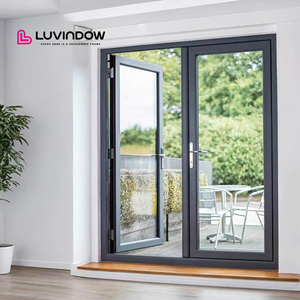
Engineered Solutions
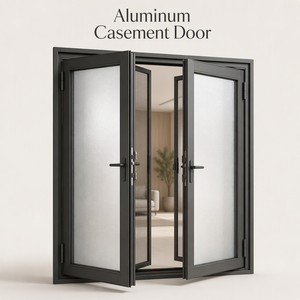
Featured Commercial Fenestration & Entrance Systems
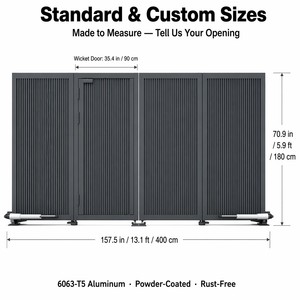
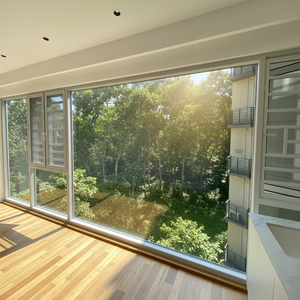
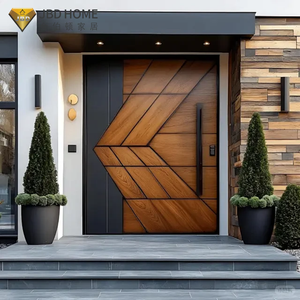
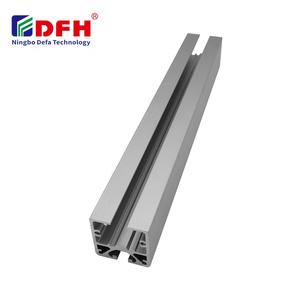
Discover our precision-fabricated portfolio engineered from certified 6063-T5/T6 architectural aluminum alloy, supporting multi-point sealing, acoustic reduction, and cyclonic weather ratings.
180,000 m²
Integrated Production Facility
25+ Years
Precision Fenestration Heritage
100+
Patents & Global Compliance Certs
AS 2047 N6
Structural Wind & Water Barrier Rating
Strategic Procurement Whitepaper
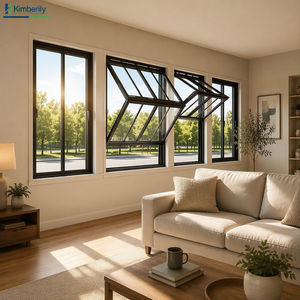
Technical Evolution & Procurement Trajectories in Aluminium Awning Windows
As global building envelope regulations shift toward net-zero embodied carbon, airtight continuous insulation, and severe-weather resilience, procurement specialists must evaluate engineering benchmarks beyond basic dimensional compatibility.
1. Multi-Cavity Polyamide Thermal Barriers
Traditional non-thermal or simple polyurethane pour-and-debridge profiles no longer satisfy tightening national building codes such as Australia’s NCC 2022 (Section J), California’s Title 24, or the European Energy Performance of Buildings Directive (EPBD).
- Integrated 24mm to 34mm PA66 GF25 thermal break strips.
- System U-values reaching below 1.4 W/m²K when combined with argon-filled low-E IGUs.
- Elimination of interstitial condensation and perimeter cold bridging in high-humidity zones.
2. Extreme Windload & Dynamic Water Resistance
Awning windows, hinged horizontally from the top and pushing outward from the bottom, offer intrinsic water-shedding advantages during active rainfall. However, severe coastal storm events require advanced pressure-equalization chamber designs.
- AS 2047 ultimate limit state testing reaching N6 cyclonic wind pressures (>4500 Pa).
- EPDM continuous co-extruded compression weather seals delivering <0.1 L/s·m² air leakage.
- Independent sill weep systems with integrated baffles preventing wind-driven back-siphonage.
3. Motorized Smart Integration & Actuators
Commercial building automation systems (BAS) and smart residential architecture increasingly mandate electric chain winders and intelligent climate-responsive actuators for automated natural purge ventilation.
- Concealed 24V DC synchronous linear and chain actuators built into the head frame.
- Automated interlock connections with HVAC systems and rain/wind sensor arrays.
- Fail-secure smoke relief mechanisms compliant with EN 12101-2 natural smoke evacuation.
Sustainable Metallurgy: Low-Carbon Billets
Procurement frameworks across Tier-1 contractors are heavily weighting lifecycle Environmental Product Declarations (EPDs). Sourcing certified primary billets manufactured using hydro-powered smelting drastically reduces Scope 3 upstream emissions.
- Guaranteed recycled aluminum content up to 40% post-industrial scrap without loss of tensile integrity.
- Traceable mill certificates verifying chemical composition conforming to ASTM B221 / EN 755.
- Support for green building credits in LEED v4.1, BREEAM, and Green Star certifications.
Aesthetic Customization & Marine Finishes
Coastal and industrial micro-climates accelerate anodic degradation and blistering of basic surface treatments. Future procurement patterns emphasize high-performance fluorocarbon and super-durable powder coating methodologies.
- Qualicoat Class 2 and AAMA 2604/2605 compliant architectural powder coating coatings.
- PVDF fluorocarbon finishes offering exceptional 30-year resistance to intense UV photodegradation.
- Sand-blasted, satin, and micro-groove anodized treatments resilient against salt-spray corrosion.
Precision Offsite Pre-Glazed Fabrication
Field glazing increases on-site labor overhead, introduces environmental contamination risks, and frequently invalidates structural silicone warranties. Factory-glazed unitized systems streamline the critical installation path.
- Robotic dual-sealed warm edge spacer application with secondary structural silicone.
- Precision factory corner crimping with injected two-component polyurethane joint adhesive.
- Individual barcode tracking per fenestration unit linked to quality inspection records.
Accelerate Your Project with Direct Factory Engineering
Submit your window schedules and structural elevation drawings. Our Foshan engineering department provides comprehensive CAD shop drawings, structural wind-load calculations, and factory-direct pricing within 24 business hours.
Contact Us
The DERCHI Manufacturing Advantage
Why Enterprise General Contractors & Specifiers Select Our OEM Facility
Operating from Guangdong’s industrial center in Foshan, Guangdong Dejiyoupin Doors and Windows Co., Ltd. controls the complete vertical processing spectrum—from billet extrusion and thermal barrier insertion to final packaging.
Comprehensive One-Stop Envelope Sourcing
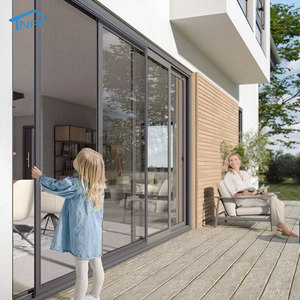
Eliminate split-supplier discrepancies. We manufacture and consolidate custom aluminum awning windows, casement sashes, multi-track sliding systems, heavy-duty commercial pivot doors, and insulated garage gates in uniform finishes inside consolidated container shipments.
Stringent Multi-National Standards Compliance
Our awning systems possess complete laboratory testing portfolios, fully verified to AS 2047 (N6 cyclone rating), AS 1288 safety glazing, CE certification, and ISO 9001 quality management benchmarks, ensuring seamless sign-off by municipal certifiers and structural auditors.
Dedicated Project Engineering Alignment
Bridging international procurement gaps: our English-speaking technical sales engineers operate aligned with international business hours (including AEST/NZST and EST/PST), ensuring immediate technical collaboration on CAD revisions, hardware schedules, and anchor placement.
Procurement Intelligence
Frequently Asked Questions: Global Window Import & Specification
Clear, uncompromised technical responses address compliance, logistical mitigation, hardware integration, and warranty protocols.
How do aluminum awning windows perform under hurricane or cyclone conditions?
Because awning windows open outward from the bottom, positive exterior wind pressure drives the sash tightly against the perimeter rubber gaskets. Combined with multi-point perimeter compression cams and heavy-duty 304 stainless steel four-bar friction hinges, our systems maintain structural water tightness and zero air infiltration past 4500 Pascals (AS 2047 N6 rating).
What surface finish is recommended for marine or coastal resort installations?
For installations situated within 1 km of saltwater exposure, standard polyester powder coating is susceptible to filiform corrosion. We strictly recommend Qualicoat Class 2 super-durable coatings, AAMA 2605 70% fluorocarbon PVDF, or Grade 25 anodized finishes (minimum 25 microns) combined with marine-grade 316 stainless steel operating hardware.
Can your facility incorporate motorized actuators compatible with building automation systems?
Yes. We offer fully concealed or slimline face-mounted 24V DC electric chain winders that interface directly with dry contact relays, KNX, BACnet, or RS485 systems. Actuators feature integrated overload safety protection and can be pre-wired at the factory with quick-disconnect harnesses to accelerate site installation.
How are custom dimensional tolerances and glass configurations verified prior to shipment?
Every custom OEM order undergoes digital coordinate measuring (CMM) for corner joint accuracy and laser glass-thickness verification. We perform pre-shipment mock-up assemblies in our Foshan R&D lab. High-resolution photographic QC dossiers, dimensional sign-off reports, and video walk-throughs are sent to your team prior to final crating.
What export packaging standards prevent transit deformation and maritime moisture damage?
Fenestration units are wrapped in peelable protective film, cushioned with dense expanded polyethylene (EPE) corner protectors, vacuum-sealed with desiccant packs, and packed into custom non-fumigation plywood crates. Crates feature steel banding and internal structural cradles designed for forklift unloading at Australian, North American, and European container docks.
What are the typical lead times for custom architectural OEM awning window production?
Standard lead times for custom extruded and thermally broken systems are 25 to 35 calendar days following shop drawing sign-off and color sample approval. For specialized architectural requirements involving custom extrusion die cutting or oversized bent tempered low-E glass, lead times are scheduled in strict alignment with the general contractor’s building phase.
Start Direct OEM Specification With Our Engineering Team
Whether you require custom extrusions, specific thermal transmittance ratings, or full-building fenestration consolidation, speak directly to our technical consultants today.
Contact Us