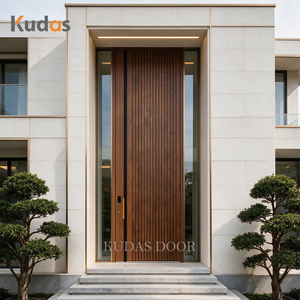
Luxury Extra Tall Vertical Fluted Walnut Cast Aluminum Front Entry Door
Reinforced multi-point locking entry system featuring custom architectural cast paneling for ultra-high security and thermal dampening.
Delivering high-specification thermal efficiency, AS 2047 hurricane impact tolerance, and ornamental laser-cut architectural security screens directly from China's leading 180,000m² manufacturing facility.
Reinforced multi-point locking entry system featuring custom architectural cast paneling for ultra-high security and thermal dampening.
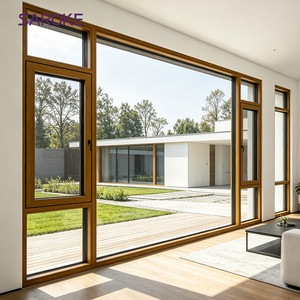
Engineered dual-frame architecture pairing interior natural timber aesthetics with weatherproof external architectural fluorocarbon coatings.
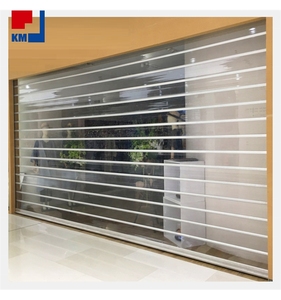
High-transparency polycarbonate curtain interlocked with aircraft-grade aluminum alloy rails for high-end storefronts and verandas.
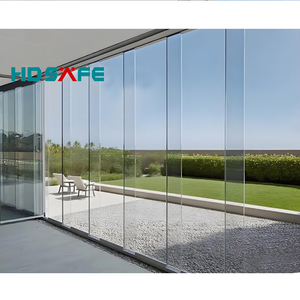
Full-vision panoramic glazed partitions featuring recessed threshold flush drainage and continuous weather-stripping seals.
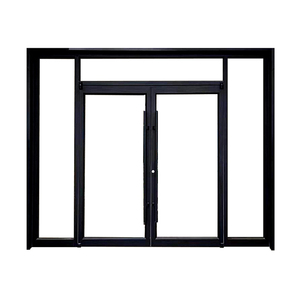
Ultra-slim profile framing engineered with tempered privacy glass, moisture-resistant hardware, and quiet smooth glide track runners.
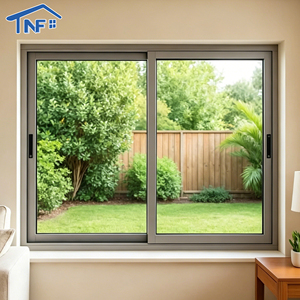
Engineered for high-wind vortex conditions; certified for dynamic atmospheric cyclic loading and coastal salt-mist resistance.
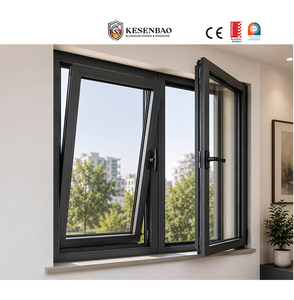
Multi-chambered polyamide PA66 thermal barrier windows engineered to eliminate thermal bridging in luxury villa envelopes.
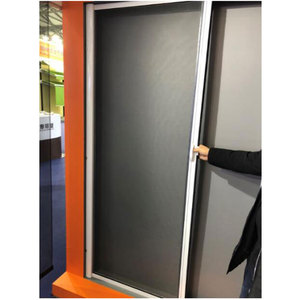
Stainless micro-wire mesh paired with integrated aluminum housings, providing insect exclusion, solar shielding, and physical barrier defense.
The term Jali (or Jaali)—historically defined as an intricate, perforated latticework or ornamental screen—has transitioned from hand-carved marble and sandstone masonry into high-precision, extruded and CNC-milled aluminum window assemblies. In contemporary commercial building envelopes and modern villa developments, wholesale aluminum Jali windows solve a critical dual-challenge: providing natural passive cooling through optimized ventilation apertures while delivering uncompromised forced-entry deterrence and micro-climate solar shading.
Global specifiers and tier-one civil engineering contractors sourcing from China wholesale aluminum Jali window factories require more than simple aesthetic geometry. High-performance aluminum Jali systems integrate structural 6063-T5/T6 alloy profiles, CNC laser-cut architectural infills (or marine-grade 304/316 woven stainless steel security meshes), and multi-point perimeter compression gearboxes. This hybrid construction allows air infiltration rates to be calculated with computational fluid dynamics (CFD) precision, reducing interior HVAC load profiles by up to 32% in tropical zones across Oceania, Southeast Asia, the Middle East, and the Caribbean.
Furthermore, surface metallurgy is critical when exporting to high-corrosion coastal zones. Leading Chinese manufacturing operations employ vertical automated powder coating and fluorocarbon (PVDF) lines capable of exceeding 3,000-hour neutral salt spray (ASTM B117) and AAMA 2605 certifications. Whether deployed as external fixed privacy screens, operatable hinged secondary facades, or integrated casement-with-Jali assemblies, these systems resist intense solar UV radiation and saline degradation without chalking or profile deformation.
Analysis of changing building codes, lifecycle decarbonization targets, and digital procurement shifts impacting B2B volume buyers over the next decade.
Traditional catalog procurement is shifting to parametric BIM (Building Information Modeling) file exchange. Importers now demand direct Revit-to-CNC CAD integration, allowing custom perforated Jali patterns, non-standard structural mullions, and custom sill flashing channels to be fabricated with zero margin for on-site dimensional discrepancy.
Architects are moving away from piecemeal sourcing. Procurement contracts increasingly bundle double-glazed acoustic casements, motorized security roller shutters, and CNC decorative security screens into unified, pre-hung outer frames, cutting shipping volume wastage and streamlining job-site installation timelines.
With global green-building certifications (LEED, BREEAM, Green Star) penalizing embodied carbon, the procurement trend points decisively toward smelters powered by renewable hydro-energy and recycled billet contents exceeding 60%, fully documented via Environmental Product Declarations (EPDs).
Ranked among China's Top 10 High-End Fenestration Manufacturers, our Shishan Town (Foshan) production hub serves project engineers, commercial developers, and high-volume regional distributors across Oceania, North America, and Europe.

Essential guidance addressing compliance standards, testing parameters, structural coatings, and lead times.
Connect directly with our Foshan factory engineering department. Submit your architectural elevations, structural wind zone ratings, or quantity bill of materials for comprehensive pricing and certified CAD shop drawings.
Get Catalog