Precision-Engineered Architectural Impact Door Systems
Direct factory supply of heavy-duty aluminum impact doors and thermal break systems. Every unit is engineered with 6063-T6/T5 architectural extrusions, multi-point locksets, and laminated safety glazing to withstand high design pressures (DP) and cyclonic conditions.
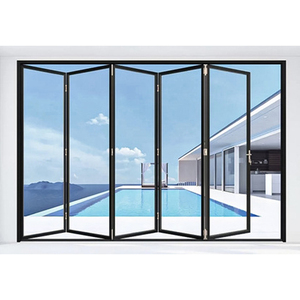
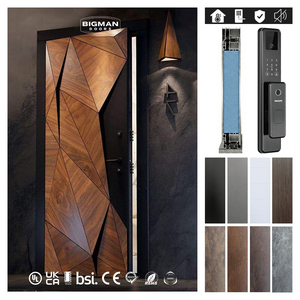
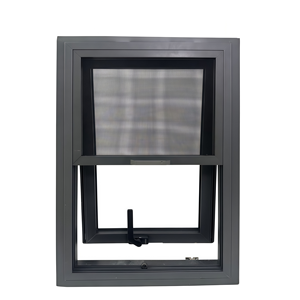
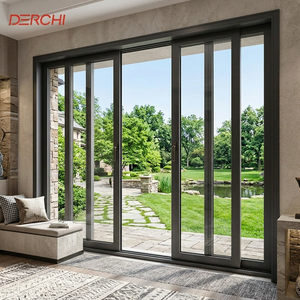
Engineering Dynamics & Future Procurement Trends in Aluminum Impact Doors
International building codes are moving rapidly toward stringent climatic resilience and aggressive energy-envelope mandates. Understanding these structural paradigms enables developers, commercial specifiers, and distributors to mitigate project liability while optimizing lifecycle ROI.
1. Polyamide Thermal Break & Low-E Glazing Convergence
Historical hurricane-rated doors prioritized pure impact strength at the severe expense of thermal transmittance. The emerging procurement standard combines PA66 nylon thermal barriers with multi-layer Low-E insulated glass units (IGUs) incorporating SentryGlas (SGP) ionoplast interlayers. This achieves an outstanding U-factor ≤ 0.28 alongside high cyclic fatigue endurance, qualifying projects for US Energy Star Version 7.0 and Australian NCC BCA Section J requirements without sacrificing wind load capacity.
2. Oversized Floor-to-Ceiling Pivot & Slim Frame Geometry
Modern luxury residential developments demand clear spans exceeding 3,500mm in height and 2,000mm in width. The engineering challenge shifts from simple profile mass to finite element load distribution. Modern impact pivots integrate concealed floor-recessed hydraulic pivot mechanisms capable of supporting 500kg sash weights, certified for +80/-80 PSF design pressure while maintaining razor-thin visual sightlines that appeal to avant-garde architectural practices.
3. Extreme Marine Fluorocarbon & Qualicoat Class 3 Coatings
Coastal and island developments (the Caribbean, Pacific Basin, Florida, and Coastal Australia) experience accelerated salt-spray degradation and extreme UV solar radiation. Bulk importers now strictly mandate PVDF 70% fluorocarbon resin (AAMA 2605 compliant) or Qualicoat Seaside certified powder coatings. These specialized polymer matrices ensure 20+ years of film integrity, color stability (ΔE < 5), and chalking resistance under marine environments characterized by high humidity and cyclic salt fog.
Technical Specifications & Quality Control Mandates for B2B Importers
Direct sourcing of structural aluminum impact fenestration from China requires an airtight understanding of material science, glass lamination protocols, and third-party laboratory verification.
When executing cross-border tenders for multi-unit residential or tier-one commercial construction, the primary failure mode in Chinese procurement stems from vague Bill of Quantities (BOQ) specifications. High-performing global developers distinguish themselves by establishing baseline parameters across three uncompromised metrics: alloy metallurgy, lamination chemistry, and localized code testing.
First, Alloy Grade and Extrusion Wall Thickness: Reject generic "architectural aluminum" descriptors. Enforce virgin primary ingot 6063-T6 or 6061-T6 composition conforming strictly to ASTM B221 or GB/T 5237. Structural door profiles exposed to hurricane wind loads must feature an absolute minimum wall thickness of 2.0mm to 3.0mm at structural load-bearing web points. Sub-standard extrusions made with recycled scrap aluminum experience micro-porosities, resulting in sudden brittle shear failure during cyclic air-pressure oscillation tests.
Second, Laminated Safety Glazing Interlayers (PVB vs. SGP): Standard Polyvinyl Butyral (PVB) exhibits elastomeric resilience under ambient conditions but softens rapidly under elevated tropical temperatures, allowing projectile penetration and subsequent water ingress. High-threat hurricane zones require structural SentryGlas (SGP) ionoplast interlayers, which are 5 times tougher and up to 100 times stiffer than conventional PVB. Even if the sacrificial tempered glass skins shatter upon large missile impact (such as a 9-pound 2x4 timber traveling at 50 ft/s), the SGP core remains structurally rigid within the structural silicone rebate, preserving the building's internal pressure equilibrium.
Third, Air, Water, and Structural (AWS) Certification: Verifiable manufacturers must provide unabridged test documentation from accredited testing agencies (such as Intertek, Lucideon, or NFRC). In the Oceania theater, compliance with AS 2047 (N6 wind class) and AS 1288 is paramount; across North America and the Caribbean, products must carry documented TAS 201, TAS 202, and TAS 203 large missile impact and cyclic pressure ratings, backed by a current Florida Product Approval (FL#) or Miami-Dade Notice of Acceptance (NOA).
Guangdong Dejiyoupin (DERCHI): Engineered for Extreme Climates
Recognized among China's top tier of specialized architectural door and window manufacturers, Guangdong Dejiyoupin Doors and Windows Co., Ltd. (DERCHI) operates a sprawling 180,000 m² automated manufacturing complex in Foshan, Guangdong. Backed by 25+ years of continuous innovation, over 600 master craftsmen, and an internal engineering cadre of 40+ structural technicians, we turn complex blueprints into certified reality.
Unlike regional assemblers that outsource critical operations, DERCHI controls precision profile extrusion, CNC miter machining, corner crimping, automated marine-grade powder coating, and robotic glass silicone application fully in-house. This comprehensive integration ensures absolute batch traceability and zero geometric deviation.
-
AS 2047 N6 & CE Certified: Complete structural testing verifying air infiltration, water tightness up to 700 Pa, and extreme wind load capacity.
-
Free CAD & BIM Engineering Support: Dedicated bilingual structural engineers delivering comprehensive shop drawings and wind-load calculations tailored to your door schedules.
-
Export-Grade Heavy Packaging: Multi-layer protective film, custom corner protectors, edge foams, and fully fumigated steel-reinforced timber crates suited for oceanic shipping.
-
Global Turnkey Support: Real-time remote installation guidance aligned with Australia (AEST), New Zealand (NZST), and US standard business hours.

Automated CNC Milling & Robotic Assembly Lines
Frequently Asked Questions by Commercial Buyers & Importers
Clear, engineering-driven answers to clarify standards compliance, factory verification, logistical handling, and customization specifications.
How do DERCHI aluminum impact doors comply with AS 2047 and North American impact codes?
Can we verify production capacity and quality control before issuing commercial deposits?
What surface finishes are recommended for aggressive saltwater coastal environments?
What is the standard production lead time and ocean container packaging standard?
Does your engineering team accommodate bespoke architectural sizes and custom hardware integrations?
Partner with China's Premier Impact Door Manufacturer
Request comprehensive product catalogs, test reports, engineering BIM files, and direct factory wholesale quotations for your upcoming residential or commercial developments.