Precision-Engineered Door & Fenestration Portfolio
Manufactured in Foshan, Guangdong under ISO 9001 and tested to international AS 2047, CE, and CSA building specifications. Explore our core wholesale systems below.
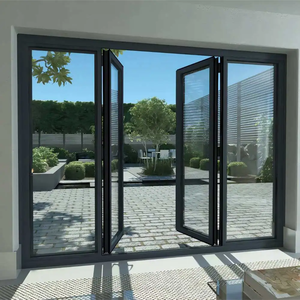
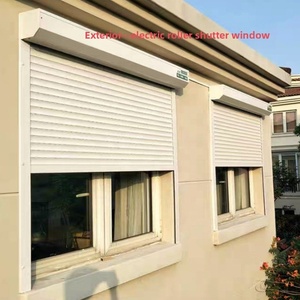
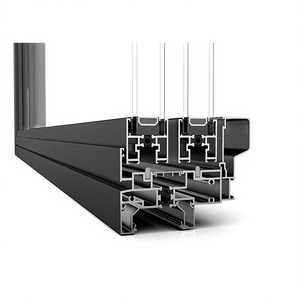
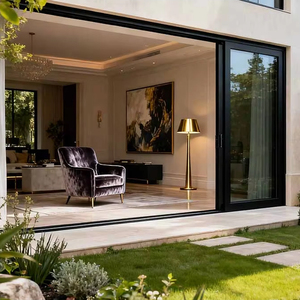
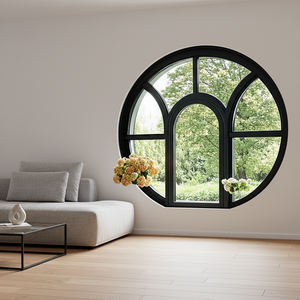
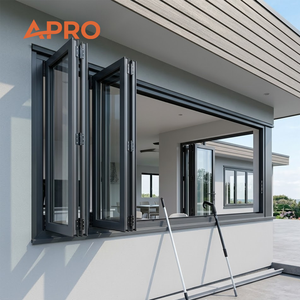
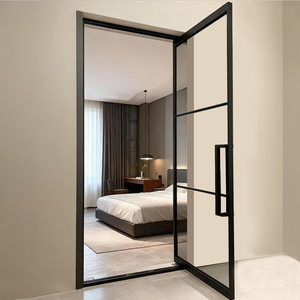
Guangdong Dejiyoupin (DERCHI) Manufacturing Capabilities
Recognized among China's top tier fenestration manufacturers, providing turnkey OEM/ODM architectural fabrication for North America, Oceania, Europe, and the Middle East.
Comprehensive Analysis: Engineering Aluminum Cellar & Below-Grade Access Portals
In contemporary residential and commercial construction, cellar doors are no longer perceived as mere utilitarian hatches. The market taxonomy for wholesale aluminum cellar doors has bifurcated into two high-demand engineering categories: exterior sloped basement access hatches (traditionally referred to as bulkheads or Bilco-style portals) and interior climate-controlled architectural glass cellar doors specifically designed for luxury walk-in wine cellars, subterranean tasting rooms, and vault-grade display spaces.
As an established China wholesale aluminum cellar doors manufacturer and factory, Guangdong Dejiyoupin Doors and Windows Co., Ltd. (operating the DERCHI international engineering division) addresses the critical mechanical failure modes inherent in inferior grade cellar units: structural sagging caused by soil pressure, water ingress during heavy cyclonic precipitation, galvanic corrosion from concrete foundation contact, and thermal migration leading to destructive condensation inside the cellar cavity.
By leveraging virgin-alloy 6063-T5 and structural 6061-T6 aluminum extrusions, our factory fabricates cellar door systems capable of exceeding stringent building mandates worldwide, including Australia’s AS 2047 (N6 wind rating capacity), Canada’s CSA standards, and the rigorous hurricane impact protocols enforced throughout North American coastal jurisdictions.
Hydrostatic Drainage Channels
Exterior sloped cellar access doors feature integral internal gutters, sloped perimeter flashings, and dual-layer ethylene propylene diene monomer (EPDM) hollow core automotive-grade seals that divert torrential runoff away from subterranean masonry steps.
Polyamide (PA66) Thermal Breaks
For wine enclosures and heated basement retrofits, multi-chamber aluminum profiles incorporate 24mm to 34mm fiberglass-reinforced polyamide thermal insulation strips, effectively eliminating thermal bridging and condensation dripping.
Multi-Point Deadbolt Vault Hardware
To eliminate unauthorized access, our cellar doors are equipped with European-style multi-point locking gear, 316 stainless steel flush-fitting shoot bolts, heavy-duty gas struts for effortless counterbalanced lifting, and smart biometric access compatibility.
Future Procurement Trends for Global B2B Buyers (2025–2030)
Key economic, regulatory, and architectural shifts redefining how property developers, general contractors, and wholesalers source cellar doors directly from Chinese manufacturing hubs.
1. Decarbonization & Low-Carbon Recycled Aluminum Billet Specifications
Global buyers operating across the European Union (under CBAM regulations) and Australasia (under tightening National Construction Code carbon accounts) are mandating verifiable life-cycle assessments (LCAs). Aluminum smelting historically consumed significant electrical energy; forward-thinking Chinese manufacturers are systematically shifting to hydroelectric-powered electrolytic aluminum and certified post-industrial recycled billets. When sourcing wholesale cellar doors, Tier-1 developers now evaluate the embodied carbon per square meter alongside structural wind loads.
2. Complete Envelope Consolidation (One-Stop Container Batching)
Procuring cellar doors as isolated items from boutique regional vendors drastically increases landed shipping overhead and introduces discrepancies in hardware finishes. Modern international procurement trends favor full fenestration consolidation: builders batch specialized wine room casements, heavy exterior sliding systems, pivot lobby portals, and aluminum basement hatches inside single 40ft High Cube containers. By partnering with our 180,000 m² integrated factory, specifiers harmonize powder-coated AkzoNobel or fluorocarbon (PVDF) color profiles across every door aperture in the project schedule.
3. Smart Building Integration and Microclimate Actuation
The confluence of smart home automation and luxury cellaring has spurred demand for motorized, remote-actuated aluminum access doors. Modern wine cellar glass portals now routinely require concealed concealed electric strikes, integrated magnetic reed sensors for building management system (BMS) alarms, and gas-strut-assisted hydraulic actuators that permit horizontal floor cellar doors to lift seamlessly via smartphone commands or dry contact relay switches.
Engineering Advancements in Aluminum Cellar Door Fabrication
How state-of-the-art extrusion dies, thermal-acoustic barrier matrices, and surface chemistry eliminate the historic drawbacks of below-grade fenestration.
Marine-Grade Surface Treatments
Cellar entrances endure persistent subterranean moisture and salt-damp environments. Our automated finishing lines apply 60–80 micron architectural powder coatings or Qualicoat Class 2 PVDF treatments capable of enduring 3,000+ hours of continuous neutral salt spray (NSS) testing without blistering or flaking.
Insulated Low-E Glazing Packs
Interior glass cellar showcases require strict thermal stability. We configure triple-glazed or vacuum-insulated glass units (IGUs) filled with 90% Argon gas, warm-edge silicone warm-edge spacers, and double Low-E sputtered coatings, reaching U-values as low as 0.18 BTU/(hr·ft²·°F) [1.0 W/(m²K)].
Structural Load-Bearing Counterweights
For horizontal subterranean hatches installed flush with pavers or patio decking, our structural engineering team implements 316-grade stainless gas pistons paired with nitrogen dampers, accommodating live loads up to 5.0 kN/m² without door deflection or mechanism binding.
5-Stage OEM/ODM Quality & Export Verification Workflow
Ensuring zero site rework, complete compliance verification, and frictionless customs clearance for overseas contractors.
Design & CAD Review
Our dedicated bilingual engineering team verifies rough opening schedules, calculates wind/water loads, and delivers shop drawings within 24 hours.
CNC Machining
Precision 5-axis German CNC milling centers process 6063-T5 aluminum extrusions, ensuring 0.1mm tolerance on miters, lock pockets, and hinges.
Thermal & Sealing Pack
PA66 thermal barrier insertion, dual-vulcanized EPDM corner molding, and argon-gas glass assembly inside automated clean-room booths.
100% Mockup QC
Every customized cellar portal undergoes physical dry-fit assembly, operating force verification, and photographic inspection sign-off prior to crating.
Export Crating & Log
IPPC-certified non-coniferous timber crates with desiccant packs, high-impact foam bumpers, and steel banding for seamless sea container shipping.
Frequently Asked Questions: Aluminum Cellar Door Sourcing
Addressing structural requirements, minimum order quantities, compliance protocols, and logistics management.