Featured Commercial & Sanitary Architectural Windows & Entry Systems
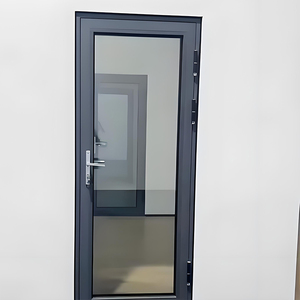
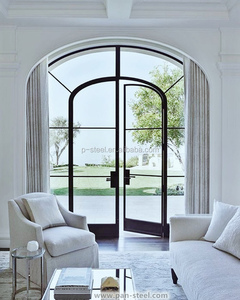
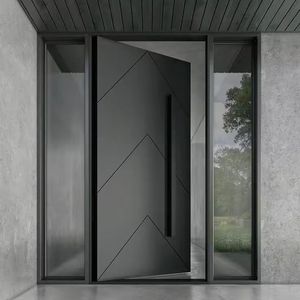
Tested to international standards (AS 2047 N6, CE, ISO9001), our aluminum fenestration and entrance solutions integrate hydrophobic moisture barriers, acoustic dampening, and advanced security hardware engineered for high-humidity environments.
Engineering Metallurgy & Performance Standards for Sanitary Fenestration
Unlike standard residential openings, aluminum bathroom windows operate under extreme vapor pressure gradients, fluctuating thermal shocks, aerosolized surfactants, and severe condensation threats. Sourcing wholesale from Chinese Tier-1 extruders requires deep command of structural profiles, alloy treatments, and sealing physics.
6063-T5 / T6 Virgin Aluminum Billets
Our extrusion process rejects scrap alloy blends, relying exclusively on 99.7% virgin electrolytic aluminum billets. With strict Mg-Si stoichiometry (Magnesium 0.45-0.9%, Silicon 0.2-0.6%), our profiles achieve a Webster hardness ≥12 HW and tensile strength ≥160 MPa, ensuring structural deflection stability under high cyclonic positive/negative wind pressures.
Polyamide PA66GF25 Thermal Barriers
Sanitary rooms face hot internal humidity and colder exterior temperatures, generating severe dew-point sweating on cold metal surfaces. We integrate German-standard Technoform PA66 polyamide thermal break strips reinforced with 25% fiberglass, reducing overall window U-values down to 1.4 - 1.8 W/m²·K and eradicating interior wall mildew incubation.
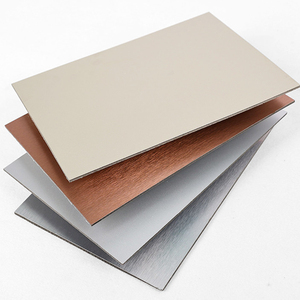
Fluorocarbon PVDF & Anodizing Class 25
Standard decorative coatings rapidly blister when exposed to caustic bathroom cleaning agents, chloramines, and maritime salt spray. Our automated vertical electrostatic lines apply 3-coat PPG/AkzoNobel PVDF finishes (≥40μm) or 25-micron anodic oxide layers capable of enduring 3,000+ hours of continuous neutral salt spray (ASTM B117) without oxidation.
Engineering Specifier Matrix: Sanitary Fenestration Typologies
Direct physical data comparison helping project facade consultants, commercial quantity surveyors, and general contractors configure ideal window typologies based on AS 2047, air infiltration, and acoustic decoupling demands.
| Window Typology | Primary Ventilation Dynamic | Water Penetration (Pa) | Acoustic Rating (STC) | Privacy Integration Options | Compliance Standards |
|---|---|---|---|---|---|
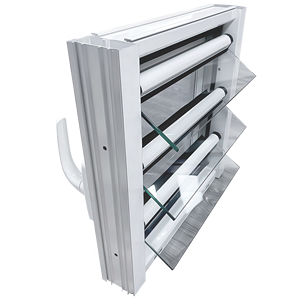
| Glass Louvres / Jalousie | 100% Free Air Flow; Multi-blade variable draft | Up to 300 Pa (Sump-Drain track) | STC 28 - 32 | Obscure Acid-Etched, Fluted Reeded, Frosted | AS 2047 / WDMA |
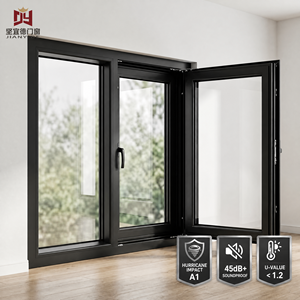
| Top-Hung Awning | Continuous Wet-Weather Deflection Vent | Over 600 Pa (EPDM Compression Gasket) | STC 36 - 42 | Satin Decoupled DGU, Switchable PDLC | AS 2047 (N6 Rated) |
| Tilt & Turn (European) | Dual Mode: Micro-top ventilation & 90° wash access | Over 750 Pa (Triple-perimeter seal) | STC 40 - 45 | Integrated Micro-Venetian Blind / Low-E DGU | CE EN 14351 / AS 2047 |
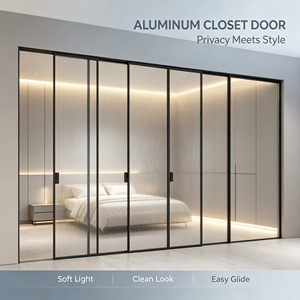
| Thermal-Break Sliding | Lateral sash travel on silent nylon/brass rollers | 350 - 450 Pa (Baffled drainage ports) | STC 32 - 36 | Sandblasted, Ceramic Frit, One-Way Mirror | AAMA / CSA / AS 2047 |
Future Procurement & Technology Trends in Sanitary Fenestration (2025–2030)
The global commercial hospitality and multi-family residential sectors are transitioning from commoditized window hardware toward smart, climate-responsive building envelopes. B2B procurement directors must account for five pivotal macro vectors.
Switchable PDLC Smart Glass Integration
Mechanical window blinds in wet-rooms harbor mildew, dust mites, and soap scum, leading to premature tenant complaints and high facility maintenance costs. Polymer Dispersed Liquid Crystal (PDLC) laminates built within insulated glass units (IGU) toggle between transparent and milk-white opaque in 20 milliseconds, integrating directly with dry-contact hotel room switches and BMS automation.
Modular Prefabricated Bathroom Pods (PBU)
Offsite Prefabricated Prefinished Volumetric Construction (PPVC) and Bathroom Units (PBU) in Singapore, Australia, and the UK demand factory-fitted fenestration with tight ±0.5mm tolerances. Modern manufacturers provide mono-frame configurations with pre-welded perimeter moisture fins, reducing onsite silicone application and potential leak paths by 80%.
Autonomous Moisture-Sensing Actuators
Next-generation hospitality projects are omitting noisy wall-mounted exhaust fans in favor of DC brushless chain winders coupled with relative humidity (RH) sensors. When ambient moisture exceeds 65% during shower operation, the transom or awning window sash deploys automatically, closing upon returning to baseline humidity or detecting rainfall via optical external sensors.
Low-Carbon & Circular Extrusion Billets
With the European Union CBAM (Carbon Border Adjustment Mechanism) and Australian green building councils mandating strict embodied carbon metrics, tier-1 Chinese factories leverage hydro-electric powered smelters. Supplying certified Environmental Product Declarations (EPD) that verify ≤4.0 kg CO2e per kg of extruded aluminum gives developers a decisive green certification advantage.
Nanotech Hydrophobic Super-Clean Glass
External dust combined with internal water droplet evaporation leaves stubborn lime scale patterns on bathroom glass. Dual-coated pyrolytic hydrophobic outer surfaces combined with interior hydrophilic films cause water to sheet and slide away quickly, preventing spot deposits and drastically extending facade cleaning cycles across commercial high-rises.
Multi-Point Micro-Ventilation Multiplexers
Security concerns frequently discourage ground-floor or lower-level villa occupants from leaving bathroom windows open. Modern multi-point perimeter gear hardware allows sashes to lock securely into a 4mm continuous perimeter gap mode. This permits uninhibited thermal draft ventilation while maintaining intruder resistance tested to RC2 / PAS 24 benchmarks.
Guangdong Dejiyoupin (DERCHI) Precision Manufacturing Ecosystem
As a premier brand situated in Shishan Town, Foshan — the epicenter of Chinese precision aluminum manufacturing — Guangdong Dejiyoupin Doors and Windows Co., Ltd. (DERCHI) controls an advanced 180,000 square meter intelligent manufacturing park.
- AS 2047 N6 Wind Pressure Verified: Extensively evaluated for 4500 Pa ultimate wind pressure resistance, preventing sash blow-out in category 5 cyclone zones.
- Full Vertical In-House Operations: Eliminating sub-contractors across aluminum profile extrusion, thermal break assembly, CNC machining, glass lamination, and robotic corner crimping.
- Free CAD Shop Drawings & BIM Coordination: Dedicated in-house facade engineers supply exact fabrication blueprints, section details, and wind load engineering reports.
- Global Export-Grade Biosecure Crating: Moisture-barrier wrapping, non-fumigation plywood crates, and corner-shock bumpers ensure scratch-free ocean voyages to Australia, NZ, Europe, and the Americas.
- Dedicated Time-Zone Engineering Desk: English-speaking fenestration specialists operating during regional working hours for rapid revisions and technical submittals.
End-to-End Quality Inspection Architecture
Every production batch undergoes a 5-step non-destructive and physical stress cycle before entering export crating stations:
B2B Wholesale Procurement FAQ for Aluminum Bathroom Windows
Detailed technical, logistical, and commercial inquiries answered for developers, procurement agents, and facade engineers sourcing container quantities from China.
1. Why should developers specify 6063-T5 aluminum with thermal breaks instead of standard UPVC for commercial bathrooms?
2. How does the factory engineer bathroom window weepage drainage to prevent indoor water backflow under gale-force winds?
3. What obscure and privacy glazing treatments meet safety and building code guidelines for wet areas?
• Acid-Etched Satin Glass: Chemically treated uniform matte finish that resists fingerprint stains and soapy residue better than sandblasted options.
• Architectural Fluted / Moru / Reeded Glass: Delivers visual obscuration while transmitting high ambient daylight.
• Ceramic Frit Glass: Permanent baked mineral pigment that cannot peel, degrade, or scratch in humid environments.
• Switchable PDLC Smart Glass: Electronic privacy transitions sealed inside double-glazed units (DGU) with moisture-proof silicone primary and polysulfide secondary seals.
4. What is the standard MOQ, lead time, and container loading configuration for custom project orders?
5. How do you prevent electrolytic galvanic corrosion between aluminum window frames and installation hardware?
6. Can DERCHI fabricate custom corner-mitered or circular bathroom window designs from architectural drawings?
Plan Your Next Project With Foshan's Premier Window Engineers
Send us your window schedule, architectural CAD elevations, or custom extrusion requests. Our bilingual facade engineering team will reply within 24 hours with comprehensive pricing, profile section suggestions, and project consultation.