Precision-Engineered Exterior Door Systems for Global Climates
As modern building envelopes transition toward ultra-low U-values, cyclone resilience, and seamless architectural aesthetics, specifying high-performance exterior aluminium doors has become critical to commercial and high-end residential development. Engineered with virgin-grade 6063-T6 architectural aluminium extrusions, multi-chambered polyamide PA66 thermal barriers, and specialized multi-point perimeter compression hardware, our systems deliver unprecedented soundproofing, marine-grade corrosion inhibition, and dynamic air-water tight structural envelopes.
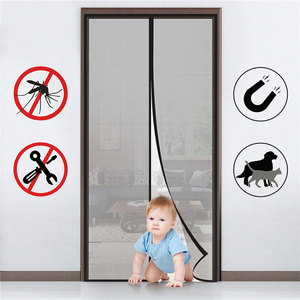
European Style Anti Insect Mosquito Net Magnetic Door Screen Reinforced Magnetic Mosquito Net Curtain Door
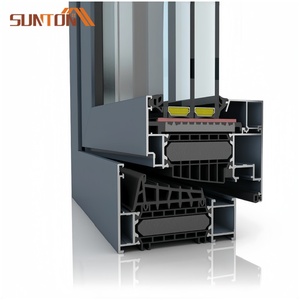
Premium Manufacturer Price Thermal Break Aluminum Alloy Casement Window Low E Double Glazed Soundproof Waterproof House
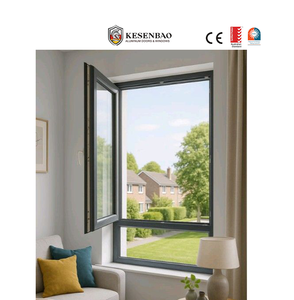
NFRC CE AS2047 Slim Frame Aluminium Casement windows With Screens For House Aluminum Tilt Turn Awning Windows
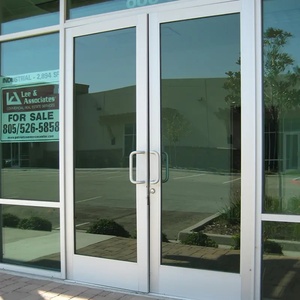
High Quality Aluminum Fixed Windows Hurricane Impact Glass Storefront Entrance Door
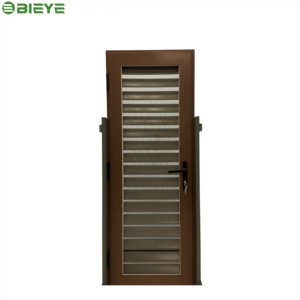
Luxury High-quality Customized Fully Blackout and Heat-insulating Aluminum Alloy Bedroom Louver Door
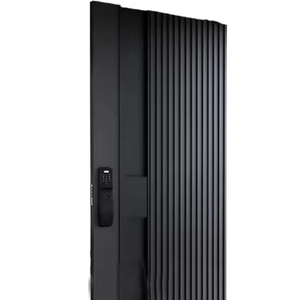
BST Ex-01 Modern Aluminium Anti-Theft Security Exterior Entry Door with 5 Year Warranty for Residential & Hotel Use
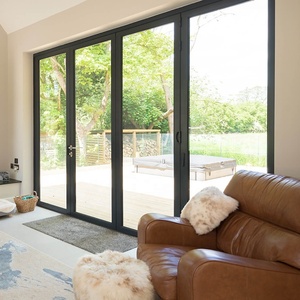
AMJ American Style NFRC Aluminum Bifold Doors with Retractable Mosquito Screen Integrated Fly Screen Folding Doors for Balcony
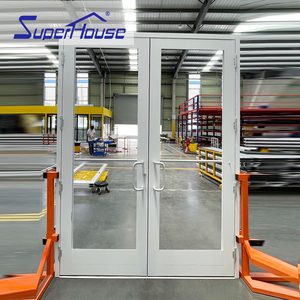
For Storefront Front Glaze White Swing Entry Commercial Impact NOA GLASS Aluminium Double Door Exterior Bedroom School
Engineering Specifications for High-Load Outdoor Aluminium Door Envelopes
Architectural outdoor doors serve as dynamic barrier structures that must mitigate high cyclic fatigue, severe thermal shocks, ultraviolet radiation degradation, and lateral cyclic wind pressures. Our manufacturing facility in Foshan applies strict metallurgic controls and structural engineering to exceed typical fenestration thresholds.
Alloy Selection & Temper Kinetics
We mandate primary 6063 architectural-grade ingot alloy solution heat-treated to T6 temper (minimum tensile strength 205 MPa, yield strength 170 MPa, Webster hardness ≥ 12 HW). This metallurgy avoids micro-fissuring during high-precision CNC multi-axis milling, allowing stable profile wall thicknesses up to 3.0mm on oversized heavy-duty pivot and exterior sliding assemblies.
- Si: 0.2-0.6%, Mg: 0.45-0.9% tight chemical tolerances
- High elongation ≥ 8% resisting torsional shear
- Anodic oxidation class AA15 & AA25 standard
Thermal Debridging & Acoustics
Thermal bridge neutralization is achieved by inserting 24mm to 34mm Technoform polyamide PA66 reinforced with 25% glass fibre (PA66 GF25), exhibiting an identical linear expansion coefficient to aluminium (2.3×10⁻⁵ K⁻¹). This eliminates internal bimetallic stress delamination during extreme diurnal exterior surface temperatures spanning -20°C to +80°C.
- Thermal conductivity reduced to ≤ 0.3 W/(m·K)
- Overall Uw door values down to 1.1 W/(m²·K)
- Acoustic isolation acoustic damping Rw ≥ 42 dB
Hermetic Gasketing & Hurricane NOA
Perimeter integrity relies on continuous co-extruded EPDM and foamed silicone ternary composite sealing strips combined with vulcanized molded corner vulcanization. Paired with German Siegenia or Sobinco multi-point mushroom cam shootbolts, the assemblies create an impenetrable barrier tested to withstand 4500 Pa cyclic positive and negative pressures.
- Air infiltration Class 4 (EN 12207) ≤ 0.5 m³/(h·m)
- Water tightness Class E900 (EN 12208) zero leakage
- Miami-Dade NOA & AS 2047 N6 wind compliance
Material Performance: Aluminium vs. Competing Architectural Door Substrates
Data-driven engineering comparison for structural specifiers deciding between aluminium systems, solid hardwood, and stainless steel in exterior outdoor environments.
| Performance Vector | DERCHI 6063-T6 Thermal Aluminium | Solid Timber (Teak/Oak) | Grade 304/316 Stainless Steel | Standard Vinyl / UPVC |
|---|---|---|---|---|
| Structural Deflection (Windload) | Superior (L/175 at 4500 Pa) | Moderate (Vulnerable to creep) | Extremely High (Heavy deadweight) | Poor (Requires steel reinforcing) |
| Dimensional Stability (Humidity/UV) | Zero Warpage (±0.05%) | High Swelling (±3.5%) | Zero Warpage (±0.02%) | Thermal Expansion Risk (±1.8%) |
| Coastal Marine Salt Spray Resistance | PVDF / C5-M >3000 hrs | High Maintenance (Rotting/fungus) | 316 Grade Good (Tea staining risk) | Good (Prone to yellowing) |
| Thermal Transmittance (U-Value) | 1.1 - 1.6 W/(m²·K) | 1.5 - 2.0 W/(m²·K) | 2.8 - 4.5 W/(m²·K) | 1.3 - 1.8 W/(m²·K) |
| Design Span (Max Panel Height/Weight) | Up to 4.5m / 500kg pivot | Limited to 2.7m / 180kg | Up to 4.0m / 650kg | Limited to 2.4m / 90kg |
| Lifecycle Cost & Recyclability | 100% Recyclable / 50+ yr lifespan | Recurring paint/seal cost | High initial capex | Degrades after 12-15 yrs |
Future Sourcing & Manufacturing Trends in Aluminium Exterior Doors
Global demand patterns are evolving rapidly across North America, Australia, Europe, and the Middle East. Strategic wholesale buyers are aligning their supply chains with four transformative industry shifts.
1. Monolithic Pivot Geometry
Architects are eliminating standard residential door dimensions in favor of floor-to-ceiling oversized pivot doors exceeding 3.5m in height and 2.0m in width. Sourcing requires integrated bottom hydraulic pivots with internal dampening, hold-open settings, and concealed drop-down weather seals.
2. Embodied Carbon & Recycled Ingot
Green building rating systems (LEED v4, BREEAM, Green Star) now demand traceable Environmental Product Declarations (EPD). Wholesalers are shifting toward low-carbon aluminium extruded using renewable hydroelectric power and scrap recycled content exceeding 60%.
3. Mechatronic Smart Lock Integration
Mechanical keys are giving way to factory-recessed biometric fingerprint scanners, encrypted facial recognition, and BACnet/KNX home automation integration. Direct conduit wireways through insulated profile stiles must be machined during initial profile extrusion.
4. Marine Super-Durable Finishes
Coastal and desert projects require 25-year coating guarantees. Global buyers are prioritizing Qualicoat Class 2 / Class 3 fluorocarbon (PVDF 70% Kynar 500) and hyper-durable textured powder coatings resisting extreme photolytic UV degradation and coastal saline atmospheres.
Guangdong Dejiyoupin Doors & Windows (DERCHI)
Ranked among China's Top 10 leading fenestration and door industrial brands, Guangdong Dejiyoupin Doors and Windows Co., Ltd. (DERCHI) operates an expansive 180,000 square meter manufacturing mega-hub in Foshan, Guangdong. Backed by 25+ years of dedicated engineering mastery and a dedicated team of over 600 skilled technicians, DERCHI delivers an unmatched combination of capacity, testing rigor, and customized production agility.
We provide comprehensive OEM and ODM architectural door solutions for luxury residential villas, multi-family mid-rises, commercial retail storefronts, and 5-star hotel resorts. Every single unit leaving our facility undergoes automated geometric laser scanning, hydrostatic water pressure testing, and multi-point hardware cycle validation.

Frequently Asked Questions for Wholesale & Project Door Procurement
Comprehensive technical and commercial clarifications directly from our chief engineering department to de-risk your international sourcing workflows.
How do you guarantee compliance with building codes such as AS 2047, NFRC, or CE?
Our complete systems undergo rigorous physical laboratory testing at certified third-party testing centers (e.g., Intertek, TUV, Azuma). For the Australian market, our systems achieve the maximum N6 cyclonic structural rating under AS 2047 / AS 1288. For North America, we verify solar heat gain coefficient (SHGC) and thermal conductance under NFRC protocols. Authentic, project-specific compliance test reports and structural engineering calculations are supplied with all tender submittals.
What surface treatment guarantees maximum corrosion protection for coastal installations?
For beachfront and high-salinity marine environments (within 1 km of the shoreline), we specify either 70% fluorocarbon resin (PVDF Kynar 500 compliant with AAMA 2605) or marine-grade anodizing (Class 1, minimum 25 microns thick with double hydrothermal chemical sealing). These finishes are subjected to neutral salt spray (ASTM B117) and copper-accelerated acetic acid salt spray (CASS) tests exceeding 3,000 to 4,000 hours with zero blistering, flaking, or edge creep.
What is the standard production lead time and minimum order quantity (MOQ) for custom projects?
Because we operate an integrated 180,000 m² manufacturing plant with dedicated tooling and extrusion yards, our typical MOQ is flexible: 1 set for prototype luxury villa pivot projects and full container loads (FCL 20GP/40HQ) for commercial developments. Standard production lead time spans 25 to 35 business days following formal client sign-off on detailed CAD fabrication drawings. Rush fabrication scheduling is available for critical project timelines.
How are heavy oversized door assemblies packaged to ensure zero transit damage?
Every product undergoes multi-tier export crating: First, frames and sashes receive static protective PE wrapping, corner edge protectors, and bubble cushioning. The assembly is then encased within heat-treated, fumigated solid plywood crates with integrated internal steel bracing and shock-absorbing high-density polyethylene base runners for seamless crane and forklift maneuvering at destination ports.
Can DERCHI engineer custom profiles and accommodate proprietary European/US hardware?
Yes. Our in-house R&D engineering office provides complimentary structural BIM modeling, wind deflection calculations, and detailed 1:1 scale shop drawings. We maintain authorized machining partnerships with leading global architectural hardware houses, including Roto, Siegenia, Hoppe, Sobinco, and Dormakaba. We also provide customized die-casting and extrusion tooling creation to meet distinct architectural facade reveals within 15 days of 3D model confirmation.