Strategic Procurement Guide
Industrial Benchmark for Architectural White Aluminum Windows
As building envelopes face strict global thermal regulations and extreme weather, specifying prime-grade white aluminum window systems demands an analytical balance of structural integrity, solar heat gain coefficient (SHGC) limits, and multi-decade coating durability. Foshan-based manufacturing powerhouse DERCHI (Guangdong Dejiyoupin Doors and Windows Co., Ltd.) delivers custom engineered, AS 2047 and CE-certified white fenestration systems tailored to Oceania, North American, and European commercial and luxury residential sectors.
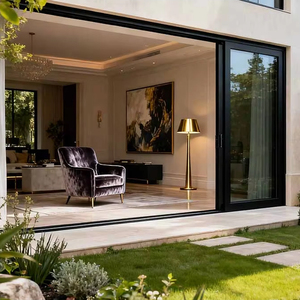
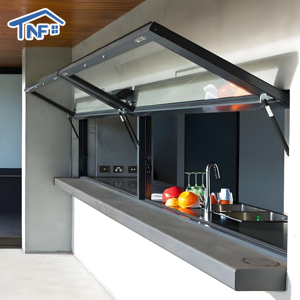
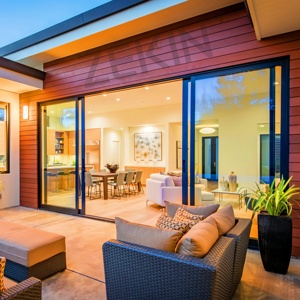
Recommended High-Performance Architectural Fenestration Systems
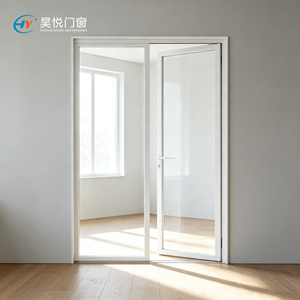
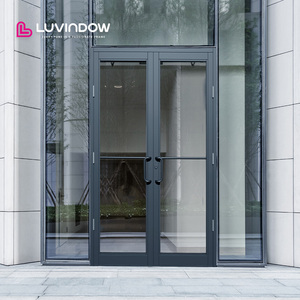
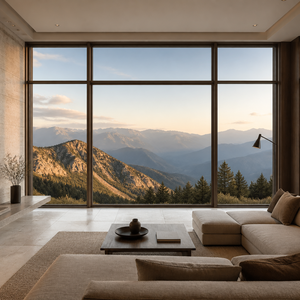
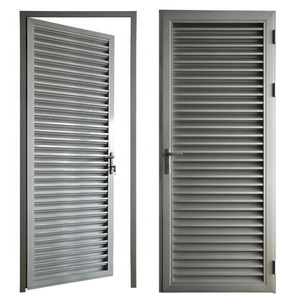
180,000m²
Integrated Factory Base
25+
Years Engineering Precision
600+
Specialized Technicians
100+
Patents & Global Standards
Enterprise Manufacturing Matrix
Why DERCHI Ranks Among China's Top 10 Window & Door Manufacturers
Recognized for technical superiority in high-end fenestration, DERCHI (Guangdong Dejiyoupin Doors and Windows Co., Ltd.) consolidates research, architectural billet extrusion, electrostatic fluorocarbon finishing, and robotic thermal barrier crimping across a modern 180,000 m² smart manufacturing ecosystem in Foshan.
AS 2047 & N6 Wind Rating
Engineered for high-exposure cyclonic and coastal wind pressures. Our white aluminum frames achieve structural deflection limits conforming to strict ocean-facing specifications with zero water ingress up to 600Pa pressure.
Multi-Stage Fluorocarbon White
Utilizing certified AAMA 2605 and Qualicoat Class 2 white powder and PVDF fluorocarbon coatings. Offers supreme resistance against chalking, micro-cracking, and yellowing under severe UV exposure.
Direct Timezone Engineering
Bilingual structural engineers directly align with AEST, NZST, and EST hours. We provide full parametric BIM models and shop CAD drawings within 24–48 hours for immediate regulatory and council filing.
End-to-End Export Logistics
Equipped with standardized overseas timber casing complying with ISPM 15 biosecurity standards. Seamless shipping handling via FCL and LCL straight to major seaports across Australia, North America, and Europe.
Technical White Paper
Engineering White Aluminum Windows: Coating Chemistry, Thermal Breaks & Structural Feasibility
Procuring aluminum fenestration finished in high-reflectance architectural white (RAL 9016 Traffic White, RAL 9010 Pure White, or custom architectural warm oyster tones) presents specific chemical and physical challenges that distinguish elite tier-1 manufacturers from generic assembly shops. White coatings feature titanium dioxide (TiO₂) pigmentation, which, under uncalibrated curing cycles, exhibits catalytic degradation when exposed to intense UV rays and marine salt aerosols.
At DERCHI's Foshan manufacturing plant, our aluminum profiles utilize 6063-T5 / 6063-T6 high-tensile virgin aluminum billets. Profiles undergo an automated seven-stage chemical pretreatment, including zirconium-based eco-friendly passivation, ensuring zero under-film creep corrosion. Coating applications utilize electrostatic robotic systems applying a minimum dry film thickness (DFT) of 60–80 microns for polyester powders and over 35 microns for PVDF fluorocarbon coatings, guaranteeing Delta E (ΔE) color drift of less than 1.5 over a 15-year lifecycle.
| Engineering Property | Standard Aluminum Windows | DERCHI Architectural White System | Verification Standards |
|---|---|---|---|
| Alloy Composition & Temper | Recycled 6063-T5 (Varying Purity) | 6063-T6 Primary Billet Aluminum | GB/T 5237.1 / ASTM B221 |
| Thermal Break Barrier | PVC or 14.8mm Standard PA66 | 24mm–34mm Technoform Polyamide PA66 GF25 | EN 14024 Compliance |
| Coating Durability | Standard Epoxy/Polyester (<40μm) | Qualicoat Class 2 / PVDF Triple-Coat (>75μm) | AAMA 2604 / AAMA 2605 |
| Wind Load Resistance | Serviceability: 1200Pa (N2–N3) | Design Pressure: Up to 4500Pa (N6 Cyclonic) | AS 2047 / AS 4055 / ASTM E330 |
| Air Infiltration Rate | >1.5 L/s·m² at 75Pa | ≤0.2 L/s·m² (Acoustically & Thermally Sealed) | AS 2047 / EN 12207 Class 4 |
To eliminate the risk of thermal bridging—a critical factor causing indoor condensation along white interior window reveals—our architectural casement and tilt-and-turn white window systems integrate isobaric multi-cavity drainage designs and continuous EPDM automotive-grade co-extruded gasket arrays. Combined with dual or triple-pane Low-E insulated glass units (IGUs) filled with 95% argon gas, overall window U-values achieve down to 1.1 W/m²·K (0.19 BTU/h·ft²·°F).
Industry Forecasting
Future Procurement & Architectural Design Trends (2025–2030)
As sustainability directives accelerate worldwide, commercial developers, custom builders, and procurement officers must evaluate window systems through total life-cycle assessments and smart-building integration.
Embodied Carbon Transparency
Global procurement criteria increasingly mandate Environmental Product Declarations (EPDs). The transition toward low-carbon green aluminum—smelted using renewable hydroelectricity—is shifting tier-1 production pipelines, allowing developers to secure higher LEED, BREEAM, and Green Star building ratings.
Ultra-Slim Visible Sightlines
Architects demand maximum glazed areas to optimize circadian natural daylighting while hiding frames within structural reveals. Advanced flush-frame white casement systems engineered with concealed heavy-duty hinges support sash weights exceeding 180kg without progressive mechanical sagging.
Automated IoT & Concealed Actuators
The merging of smart home automation with fenestration profiles has driven the adoption of embedded micro-linear chain actuators within white window profile mullions. These systems respond automatically to indoor VOC, humidity sensors, and central Building Management Systems (BMS).
Risk Mitigation
Factory Verification Protocol: How to Audit a Chinese Window Manufacturer
Sourcing directly from Chinese fenestration hubs yields tremendous budgetary and customization leverage, provided international buyers enforce a strict operational audit before signing sales contracts.
1. Traceability of Primary Extrusions
Ensure your fabricator utilizes raw prime-billet 6063 aluminum rather than contaminated scrap melts. Request spectroscopic mill certificates confirming metallurgical ratios of Magnesium (Mg) and Silicon (Si) to eliminate premature structural embrittlement.
2. Thermal Barrier Crimping Calibration
Inspect the knurling and rolling machines used to integrate the polyamide strips. Inadequate shear strength at the aluminum-polyamide joint will lead to air leaks and structural deflection under thermal expansion and contraction cycles.
3. Mock-up Testing & Third-Party Labs
Require factory witness testing of mock-ups inside a calibrated pressure chamber. Key verification metrics include water penetration resistance (Pa), air infiltration thresholds, and ultimate load deflection verifying AS 2047 or ASTM test reports.
Buyer Knowledge Base
Frequently Asked Questions (FAQ)
Direct answers addressing technical specifications, lead times, warranties, and international code compliance for commercial projects.
How do you prevent white aluminum window frames from yellowing or chalking?
DERCHI applies genuine architectural fluorocarbon (PVDF) liquid resins and Qualicoat Class 2 hyper-durable powders baked under strict infrared curing profiles. This chemical formulation locks the polymer matrix against photochemical degradation caused by aggressive UV radiation and salt spray, accompanied by a 15-to-20-year non-chalking factory warranty.
Are your window configurations certified for local building codes in Australia and the US?
Yes. Our systems are tested and certified to Australian Standard AS 2047 (with verified N6 cyclonic rating testing), AS 1288 architectural glass safety codes, North American NFRC thermal standards, AAMA structural standards, and European CE benchmarks. Comprehensive compliance reports are furnished for direct municipal and certifier approval.
What is the typical production timeline and export packaging safeguard?
Standard custom fabrication cycles range between 25 and 35 calendar days following client sign-off on detailed CAD shop drawings. For maritime freight, all frame elements receive peelable protective film, corners are secured with engineered shock dampers, and assemblies are sealed in heavy plywood crates (ISPM 15 certified fumigation-free) suited for containerized sea transport.
Can we specify custom glass makeups and high-security European hardware?
Absolutely. We integrate bespoke glazing configurations including double/triple low-E coatings, warm-edge spacers, laminated acoustic interlayers, and tinted solar-control glass. Hardware systems can be configured with premium European brands (such as Siegenia, Roto, Hoppe) or DERCHI precision-engineered multi-point hardware suites.
Accelerate Your Commercial or Residential Window Project
Collaborate directly with DERCHI's in-house engineering group. Submit your architectural window schedules, structural elevations, or rough opening dimensions to receive complimentary CAD shop drawings, glass thermal performance models, and direct factory pricing.
Get Catalog