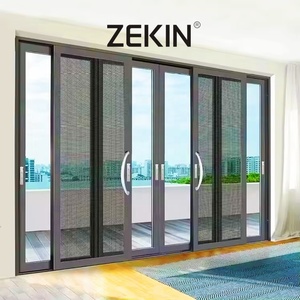
 AS 2047 / NFRC
Enterprise Product Portfolio
Featured Export Fenestration Systems & Impact Assemblies
Engineered in our ISO 9001 and AS 2047 accredited Foshan manufacturing compound, the following fenestration assemblies reflect current architectural demand for ultra-low U-values, extreme N6 cyclonic wind load resistance, and slim structural profiles.
AS 2047 / NFRC
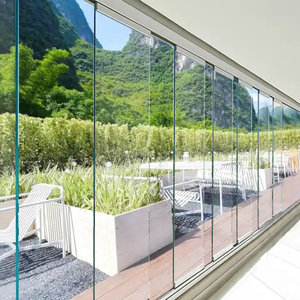 Acoustic Shield
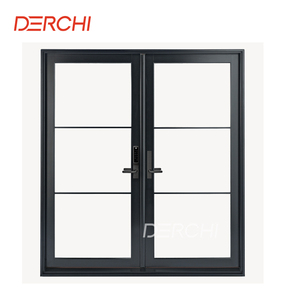 Thermal Break
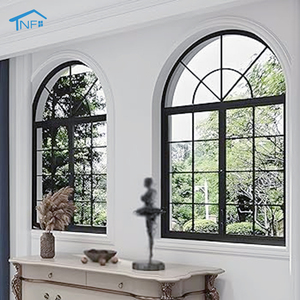 Bespoke Curved
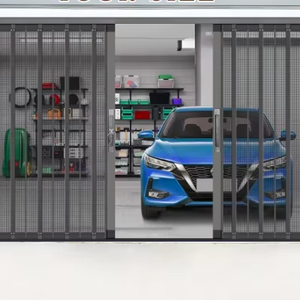 Mesh Defense
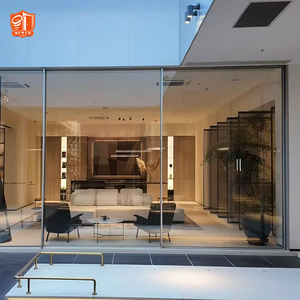 Minimalist Line
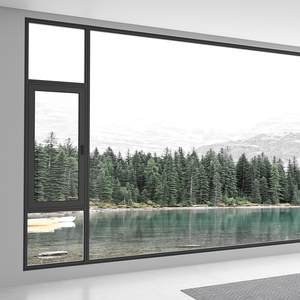 N6 Wind Rating
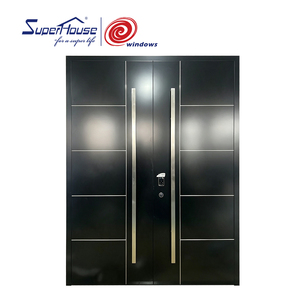 Smart Access
180,000 m²
Smart Industrial Compound
25+ Years
Global Fenestration OEM
AS 2047 N6
Certified Structural Rating
100+ Patents
Thermal & Acoustic IP
Engineering Whitepaper
Structural Architecture of High-Performance Aluminum Open Windows
When specifying casement, awning, tilt-and-turn, and hopper open window assemblies from Chinese fabrication hubs, commercial specifiers must assess structural profile alloy grades, thermal barrier continuity, and hermetic perimeter pressure equalization.
Alloy Metallurgy & 6063-T6 Precision
Top-tier Chinese factories utilize primary virgin billet 6060-T66 or 6063-T5/T6 architectural aluminum, guaranteeing tensile yields above 205 MPa without micro-voids, essential for oversized hurricane-resistant open casements.
- Wall thicknesses calibrated between 1.8mm – 3.0mm
- Eliminates thermal buckling across +50°C solar swings
PA66-GF25 Polyamide Thermal Insulation
Thermal bridge breakage separates indoor and outdoor extrusion faces through high-grade 25% glass-fiber reinforced polyamide strips, preventing conductive loss and surface condensation in high-humidity zones.
- System U-factors minimized to 1.1 – 1.4 W/m²·K
- Multi-chambered cavity optimization prevents bridging
EPDM Triple Vulcanized Gasketing
A continuous central automotive-grade co-extruded EPDM rubber gasket forms an isobaric decompression chamber, neutralizing air pressure variances between exterior driving rain and indoor conditioned spaces.
- Water penetrations resisted over 700 Pa static head
- Air infiltration lowered below 0.05 L/s·m²
Strategic Sourcing Insights
Global Procurement Trends for Aluminum Fenestration
The global facade and fenestration import matrix is transitioning rapidly from commodity-grade volume purchasing to customized, project-specific precision fabrication. Commercial developers across the United States, Australia, the Middle East, and Europe now factor total life-cycle carbon footprints, rapid BIM shop-drawing turnaround, and strict local compliance verification into their procurement rubrics.
By leveraging Chinese manufacturing powerhouses with in-house extrusion lines, electrostatic fluorocarbon vertical spraying, and robotic glazing capabilities, Tier-1 builders cut lead-times by up to 40% while capturing significant cost efficiencies over localized fabricators.
1. Ultra-Slim Sightline Dominance
45mm-55mm sightlines providing >88% visible light transmission without sacrificing structural wind resistance.
2. Smart Building Automation
Concealed electronic multi-point lock drives integrated directly into Zigbee, KNX, and BACnet building management hubs.
3. Marine C5 Fluorocarbon Coatings
Qualicoat Class 3 and AkzoNobel PVDF treatments capable of enduring 3,000+ hours in rigorous neutral salt spray chambers.
4. Factory-Fitted Acoustic IGU
Laminated low-iron double/triple glazed units with warm edge spacers engineered for up to STC 44 acoustic deadening.
DERCHI Factory Integrity
Direct Manufacturer Advantage: Foshan Engineering Depth
Operating under Guangdong Dejiyoupin Doors and Windows Co., Ltd., DERCHI ranks among China's recognized top premium window and door fabricators. Covering an operational production footprint of over 180,000 square meters with 600+ skilled personnel, we maintain uncompromising command over every phase of architectural engineering.
AS 2047 Certified
ISO 9001 Audited
CE & RoHS Attested
30+ Proprietary Patents
Our dedicated engineering desk provides complete CAD shop drawings, wind load deflection calculations, and elevation schedules tailored specifically to client regional building codes (including NCC/BCA in Australia, IRC in North America, and Eurocode 9).
Single Point Accountability
From aluminum raw billet extrusion to German Siegenia/Hoppe hardware integration and automated foam packaging, we eliminate third-party subcontractor variance.
Export Logistics Optimization
Reinforced steel-crated packaging specifically built to survive open-ocean cargo transit, prevent moisture exposure, and comply with strict DAFF biosecurity import rules.
Native English Technical Support
Dedicated project engineers aligned across North American, European, and AEST/NZST working hours to provide rapid drawing revisions and live video line inspections.
Procurement Knowledge Hub
Frequently Asked Questions for Open Window Importers
Essential technical due diligence, certification checks, and logistical guidance when contracting aluminum open window systems directly from China manufacturers.
How do Chinese aluminum open windows conform to Australian AS 2047 standards?
Compliance requires passing physical laboratory tests for deflection under design wind pressure, air infiltration, water penetration resistance, and ultimate structural limit state (N6 rating up to 4500 Pa). DERCHI provides verifiable, independent NATA-equivalent accredited lab test certificates, factory calibration manifests, and free architectural CAD shop drawings to satisfy municipal private building certifiers across Australia and New Zealand.
What is the structural difference between awning and open casement window configurations?
Casement windows are hinged vertically along the side jamb and swing outward or inward, providing 100% full-aperture natural ventilation and scooping incoming side-breezes. Awning windows are hinged along the top rail and project outward from the bottom, creating a natural deflection canopy that permits continuous interior ventilation during rainstorms while maintaining higher water infiltration thresholds in exposed high-rise envelopes.
How can importers avoid galvanic corrosion in coastal marine environments?
In coastal atmospheres (C4 to C5 corrosive environments within 1 km of ocean shorelines), direct contact between dissimilar metals (e.g., carbon screws and raw aluminum) creates galvanic decay. High-tier Chinese exporters resolve this by specifying marine-grade fluorocarbon PVDF architectural coatings (minimum 3-coat 35-micron film thickness), 316-grade austenitic stainless steel friction hinges and fast-assembly fasteners, and non-conductive isolator shims.
What hardware mechanics determine the life expectancy of heavy glazed casements?
Large architectural open windows carrying triple-glazed laminated glass can exert sash loads exceeding 120 kg. Longevity depends on four-bar or six-bar heavy-duty stainless steel stay hinges, multi-point lock gear transmissions with anti-mishandling devices, and corner gear drives from tier-one providers (such as German Siegenia, Hoppe, or certified industrial-grade heavy-duty hardware systems) rated for over 50,000 open/close cycles without sagging.
What packaging protocols protect finished aluminum extrusions during ocean freight?
Export protection comprises five rigorous layers: scratch-resistant polyethylene low-tack protective film directly on powder-coated profiles, full bubble-wrap enclosing the assembled frames, edge corner crash-guards, vacuum-sealed desiccant moisture packs to stop humidity sweating during equatorial transit, and fully enclosed, non-fumigation treated solid plywood crates or custom steel transport stillages.
What is the standard production lead time and minimum order quantity (MOQ)?
For custom project schedules with bespoke RAL powder colors, glass makeups, and CAD approvals, prototype and shop drawing approval takes 3–5 business days, followed by standard factory fabrication runs of 25–35 calendar days. As an adaptable high-volume manufacturer, we cater both to commercial container runs (FCL) and consolidated bespoke villa schedules (LCL), with typical project minimums starting from 30 square meters.
Transform Your Next Development With Precision Engineering
Connect with our technical engineering desk in Foshan today. Submit your architectural elevation drawings or schedule of windows to receive complimentary CAD shop drawings, acoustic and thermal modeling, and an itemized factory-direct quote within 24 business hours.