Engineered Aluminum Lower & Ventilating Windows
Explore our precision-crafted lower window series, encompassing bottom-hung inward/outward hoppers, low-level architectural thermal breaks, and commercial vertical sliders manufactured to AS 2047, CE, and NFRC benchmarks.
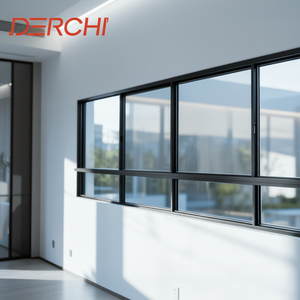
DERCHI European Standard CE Certified Double Glazed Sliding Window
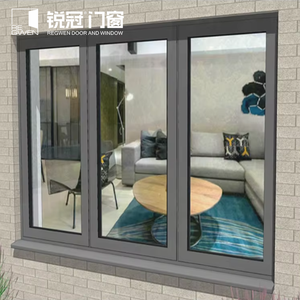
RG65 Customized Double Glazed Thermal Break Casement Window
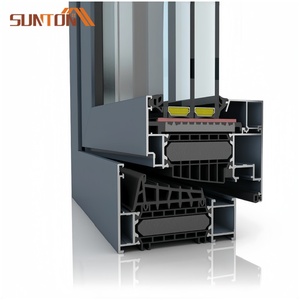
Premium Thermal Break Aluminum Alloy Soundproof House Window
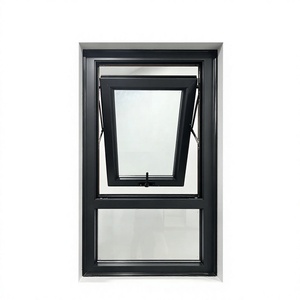
Outward Opening Bottom Hung Window with Triple Insulated Glass
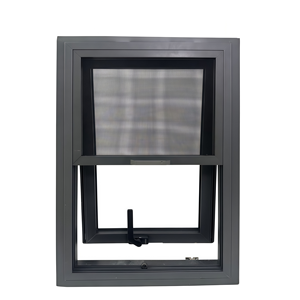
Architectural Aluminum Bottom Hung Modern Office Interior Window
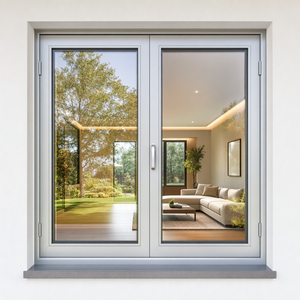
Factory Workshop Bottom Hung Casement Window Dustproof System
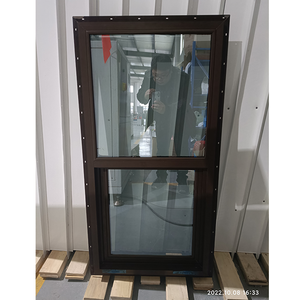
Aluminum Vertical Sliding Lower Sash Window NFRC North American
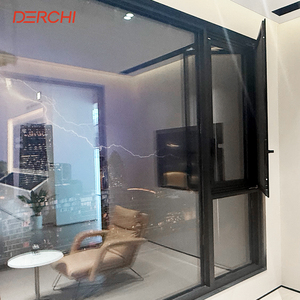
DERCHI Hurricane Impact Thermal Break Aluminum Window System
Anatomy of Industrial-Grade Aluminum Lower Windows
In modern fenestration architecture, the term "lower window" designates specialized operable ground-adjacent glazing, bottom-hung inward/outward ventilation hoppers, spandrel-integrated fresh air intakes, and the lower operational sashes of vertical sliding systems. Engineering these assemblies requires high-load alloy metallurgy, sophisticated thermal barriers, and air-tight perimeter compression.
Primary 6063-T5/T6 Billet Metallurgy
Unlike secondary scrap profiles prone to micro-cracking and galvanic pitting, our lower window frames are exclusively extruded from high-purity virgin aluminum billet (Al-Mg-Si series). Profile wall thicknesses strictly conform to 1.4mm to 2.0mm minimum thresholds, yielding tensile strength exceeding 160 MPa to handle extreme wind shear at both low and high elevations.
Polyamide PA66 GF25 Thermal Barriers
To eliminate interior condensation at ground levels where relative humidity is high, our frames incorporate European-standard 24mm to 34mm PA66 nylon strips reinforced with 25% glass fiber. This guarantees identical thermal expansion coefficients with the adjacent aluminum walls, preventing delamination while lowering overall frame Uf-values to as low as 1.1 W/m²K.
Continuous Co-Extruded EPDM Gasketing
Lower and hopper openings endure severe hydrostatic pressure during rainfall events. DERCHI deploys automotive-grade closed-cell vulcanized EPDM center compression gaskets with vulcanized corner vulcanization. This creates a multi-cavity pressure-equalized rain-screen barrier, achieving water penetration resistance beyond 600 Pa without internal leakage.
| Performance Criteria | DERCHI High-Spec Engineering Target | Generic Commodity Benchmark | Primary Governing Test Standard |
|---|---|---|---|
| Structural Wind Load (Deflection) | Serviceability: 3000 Pa / Ultimate: 4500 Pa (N6 Class) | 1200 Pa – 1800 Pa | AS 2047 / ASTM E330 |
| Water Penetration Resistance | Zero water penetration at 600 Pa – 750 Pa | 150 Pa – 300 Pa | ASTM E331 / EN 12208 |
| Air Infiltration Rate | < 0.05 L/s·m² at 75 Pa (Extra-Low Infiltration) | 0.30 – 0.50 L/s·m² | ASTM E283 / AS 4420.4 |
| Thermal Transmittance (Window Uw) | 1.1 – 1.4 W/m²K (With Triple/Argon/Warm Edge) | 2.8 – 3.5 W/m²K | NFRC 100/200 / ISO 10077-2 |
| Acoustic Attenuation (STC / Rw) | Rw 38 dB to 44 dB (Acoustic PVB Lamination) | Rw 25 – 28 dB | ASTM E90 / ISO 140-3 |
| Surface Coating Resilience | AAMA 2605 Fluropon PVDF 3-Coat / Class 1 Anodizing | AAMA 2603 Standard Polyester | AAMA 2605 / Qualicoat Seaside |
Future Procurement & Product Development Trends
Commercial window procurement is undergoing rapid disruption driven by zero-carbon building mandates, automation, and end-to-end supply chain transparency.
1. Near-Zero Embodied Carbon Aluminum
Global architectural specifications across Australia, North America, and the EU increasingly mandate Environmental Product Declarations (EPDs). The industry is pivoting away from high-carbon coal-smelted profiles toward hydro-powered smelters and billets utilizing ≥ 40% post-consumer recycled aluminum, curbing project Scope 3 emissions without sacrificing tensile yield.
2. Concealed Mechatronic Micro-Ventilation
Lower window vents are increasingly integrated directly into automated Building Management Systems (BMS). Using micro-chain concealed electric drives concealed within the 6063 frame rebate, bottom-hung hoppers act as night-purge heat exchangers, opening silently at programmed sensor intervals to flush interior thermal mass without manual tenant intervention.
3. Digital Twin & Schedule-Level Pre-Fabrication
Procurement leaders are abandoning generic catalog orders in favor of factory-level Revit/BIM schedules. Chinese top-tier manufacturers like DERCHI now match shop drawings, structural anchorage calculations, and glass wind load thermal stress analysis directly to digital building twins, cutting field installation timelines by over 35%.
Guangdong Dejiyoupin: Global Fenestration Leadership
Ranked among China's Top 10 High-End Architectural Doors and Windows Manufacturers, Guangdong Dejiyoupin Doors and Windows Co., Ltd. (DERCHI) operates from Foshan, Guangdong—the worldwide epicenter of aluminum extrusion.
180,000 m² Consolidated Industrial Base
Complete control over precision extrusion, thermal barrier crimping, surface fluorocarbon powder lines, insulating glass assembly, and CNC five-axis hardware installation under one continuous roof.
Certified Direct Export To Oceania, North America & EU
Fully compliant with Australian AS 2047 / AS 1288, CE European benchmarks, and American NFRC/AAMA thermal & impact criteria. Real-world third-party NATA & Intertek test reports available per project.
Free Engineering CAD & BIM Parametric Modeling
Dedicated project teams generate full structural shop drawings, sill-pan water deflection details, and anchorage structural engineering computations tailored to your local building code certifiers.

Frequently Asked Questions by Global Importers
Key technical, commercial, and logistical inquiries addressed directly by our senior structural engineering and export compliance directors.
What defines an aluminum "lower window" in architectural and structural schedules?
How does DERCHI ensure lower windows pass rigorous water penetration tests (e.g., AS 2047, ASTM E331)?
What surface finish options are recommended for harsh coastal and marine environments?
Can lower hoppers and sliding sashes be integrated with automated Building Management Systems (BMS)?
What are the minimum order quantities (MOQ), production lead times, and ocean container packing protocols?
Initiate Your Engineering Consultation & Tender Schedule
Connect with DERCHI's bilingual senior facade engineers. Send your architectural floor plans, window schedules, or structural drawings to receive certified CAD details, thermal performance simulations, and factory-direct pricing within 24 hours.