Heavy-Duty
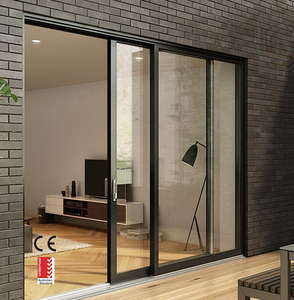
A Comprehensive 2026 Strategic Sourcing Whitepaper: Engineering Criteria, Climate Performance, AS2047 Certification, and Global OEM/ODM Procurement Insights.
Curated directly from premier Foshan fabrication lines, these 8 configurations represent current benchmark specifications in thermal insulation, intrusion protection, and coastal durability.
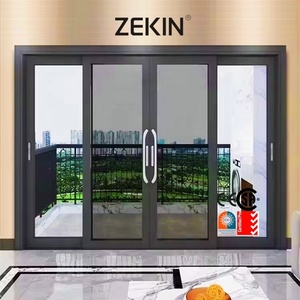
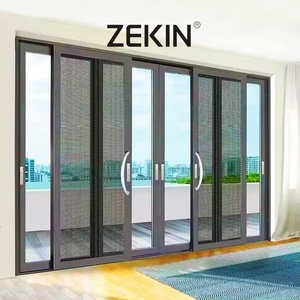
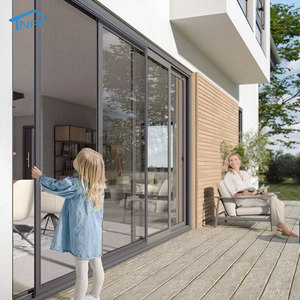
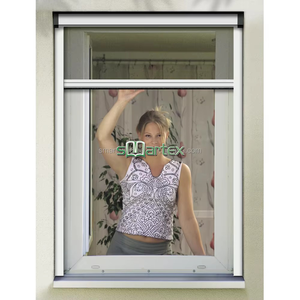
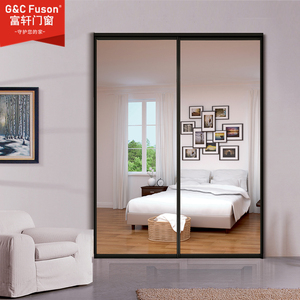
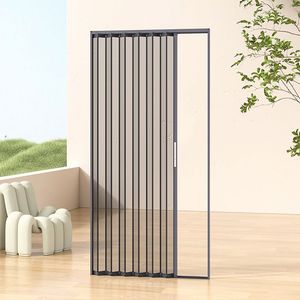
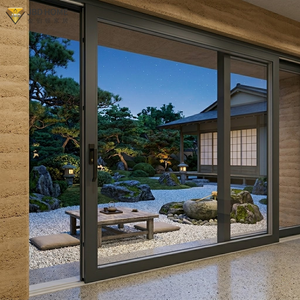
Operating out of the global fenestration manufacturing core in Foshan, Guangdong, DERCHI delivers high-precision architectural aluminium sliding systems. From continuous extrusion validation to multi-stage powder finishing, every door is engineered for extreme climate resistance.
Tested independently to exceed Australia's AS 2047 N6 wind rating, ensuring complete structural integrity, water resistance up to 450Pa, and air leakage below 0.5 L/s·m².
Anti-shear and knife-proof high-tensile 304/316 stainless steel woven mesh woven specifically to resist jemmy attacks, knife slicing, and constant coastal salt aerosol spray.
Free parametric CAD shop drawings and Revit BIM families customized to structural openings, helping commercial estimators eliminate installation discrepancies early on.
Direct access to bilingual senior facade engineers responding during Sydney, Auckland, and London operating hours, bridging the technical communication gap flawlessly.
Most traders merely source extruded profiles and assemble them with off-the-shelf rollers. DERCHI operates a self-contained 180,000 m² ecosystem covering primary 6063-T5/T6 billet homogenisation, high-speed automated extrusion lines, Italian automated vertical powder lines, and climate test chambers.

Structural engineers and procurement managers are adapting to regulatory shifts, extreme climate events, and modern architectural aesthetics. Key criteria shaping future sourcing specifications include:
Separate screen add-ons are becoming obsolete. The standard has shifted toward monolithic three-track (Glass + Glass + Stainless Mesh) profile frameworks where the insect/security barrier nests seamlessly inside the structural frame line.
With NCC 2022 (Australia) and Part L (UK) driving strict whole-of-envelope energy efficiency, non-thermal aluminium frames are being phased out in favour of multi-chambered polyamide break bars matching low-E insulated glass units (IGU).
Intensifying windstorms and coastal exposure have elevated procurement standards to 4500Pa ultimate wind loads and Qualicoat Class 2 fluorocarbon/PVDF surface coatings resistant to 3,000+ hours of continuous neutral salt spray (ASTM B117).
Understanding cross-generational engineering upgrades enables developers to mitigate post-handover callbacks and structural water damage.
| Performance Parameter | Legacy Residential Net Doors (Gen-1) | DERCHI High-Performance Systems (Current Gen) | Compliance Benchmark |
|---|---|---|---|
| Aluminium Alloy Specification | Recycled / Grade 6063-T4 (< 1.2mm wall) | Primary Virgin 6063-T5 / T6 (2.0mm - 3.0mm wall) | GB/T 5237 / AS 1866 |
| Insect / Security Mesh | Adhesive Fiberglass or Soft Thin Aluminium Wire | 0.8mm High-Tensile 304/316 Stainless Security Mesh | AS 5039 / AS 5041 |
| Thermal Transmission (U-Factor) | Direct Frame Conduction: 5.8 - 6.2 W/m²·K | Iso-bar Polyamide PA66: 1.6 - 2.2 W/m²·K | NFRC / WERS Tested |
| Wind Pressure Resistance | Low Load: ~1200 Pa (Prone to sash rattle) | Engineered N6 Rating: Exceeding 4500 Pa load | AS 2047 Certified |
| Sill Drainage Engineering | Simple Open Weep Holes (Prone to Blowback) | Stepped Sub-Sill with One-Way Flap Drainage Check | ASTM E331 Compliant |
| Hardware & Roller Cycle Life | Plastic wheel / Mild steel: ~10,000 cycles | Heavy-Duty Dual Stainless Rollers: 200,000+ cycles | EN 13126-15 Class 4 |
Direct, no-nonsense answers to the questions general contractors, specifiers, and import agents face when sourcing fenestration directly from China.
Connect with our technical desk to receive full parametric CAD drawings, physical sample cross-sections, and factory-direct project pricing within 24 hours.
Get Catalog