Engineered Architectural Double Glazed Door Systems
Explore our benchmark-rated fenestration assemblies manufactured in Foshan, Guangdong. Each profile is constructed using prime 6063-T5/T6 billet alloy, multi-cavity polyamide (PA66 GF25) thermal barriers, and certified argon-filled insulated glass units (IGU).
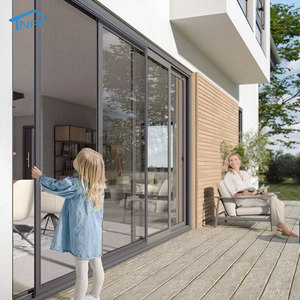
Aluminum Alloy Folding Screen NF Magnetic Roller Blind Stainless Steel Insect Control Sliding Doors Tempered Glass Mosquito Net
Heavy-duty multi-slide architecture featuring built-in magnetic perimeter seals, motorized interstitial roller louvers, and high-tensile 304/316 marine-grade insect netting.
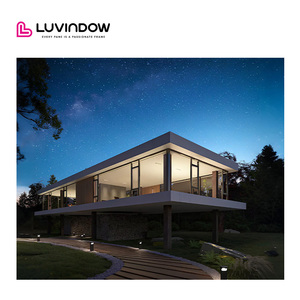
Luvindow Narrow Frame Aluminum Windows Exterior Full Glass Double Glazing Tilt Turn Windows for Residential Use Ventilation
Minimalist sightline profiling engineered with European multi-point locking gearing. Features dual-axis hardware allowing micro-ventilation and perimeter gasket compression.
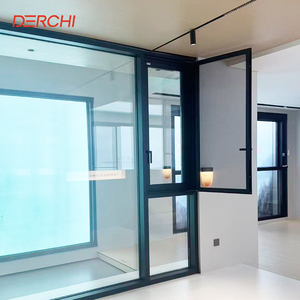
Minimalism Series Window Ultra Double Glass Aluminum Alloy Line Fixed Slimline Window Slim Profile Aluminium Casement Windows
Ultra-narrow structural frame engineering with concealed hinges and stepped structural glazed rebates. Maximizes daylight transmittance while sustaining severe design wind pressures.
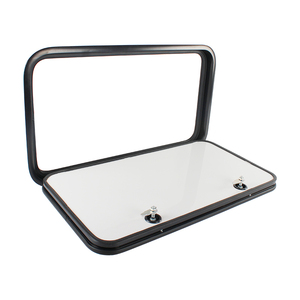
CAPEXRV 800x450mm RV Luggage Door with Rounded Corners and Locks Caravan Exterior Aluminum Alloy Storage Hatch Door
Specialty weatherproof transport fenestration built with double-sealed EPDM co-extruded gaskets, insulated core panels, and keyed anti-vibration locking systems.
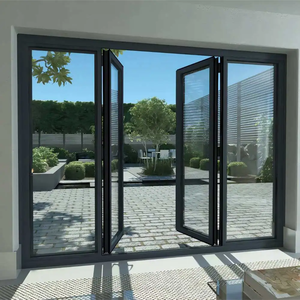
High Quality Customized French Style Aluminum Tempered Glass Casement Doors Fiberglass Screen Waterproof for Apartment Hotel Use
Architectural classic styling manufactured with precision corner-crimped structural joints, multi-point flush bolts, and acoustic-laminated double glazing for luxury hospitality builds.
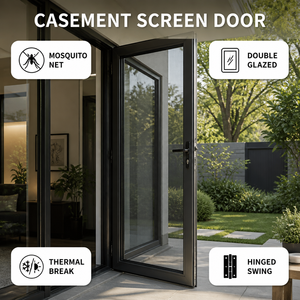
Aluminum Casement Door Screen Mosquito Net Fly Double Glazed Thermal Break Exterior Entry Patio Hinged Sound Insulation NFRC
Certified NFRC sound-dampening entry hinged door system featuring multi-chamber structural breaks, argon gas fill, warm-edge spacers, and heavy-duty 3D adjustable hinges.
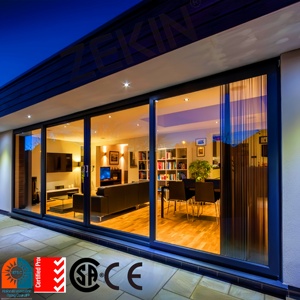
ZEKIN Customized Aluminum Patio Balcony Sliding Doors Double Tempered Glass Heavy Duty Glass Door Aluminum Sliding Doors
Engineered for large opening spans up to 3.5m height per sash. Integrated with stainless steel quad-rollers, flush structural thresholds, and hurricane impact resistance.
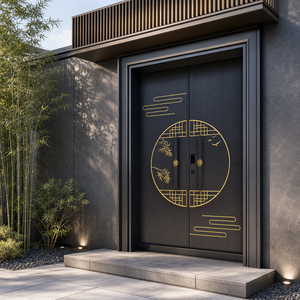
Minimalist Gold Cast Aluminum Entry Door with Lattice Band Bamboo Motif Anti-Theft & Thermal Insulation for Villa Commercial Use
Solid cast aluminium structural facings over reinforced steel cores. Combines artistic exterior relief detailing with German-grade high security digital locking cylinders.
Technical Benchmark: Navigating the Global Supply Chain for Aluminium Double Glazed Doors
As commercial builders, architectural developers, and facade contractors seek structural resilience, acoustic isolation, and carbon-reduction targets, aluminium double glazed doors manufactured in China have emerged at the forefront of the global building envelope supply chain. The historical misconception of Chinese fenestration being merely a cost-effective alternative has been dismantled by advanced robotic fabrication, German tooling partnerships, and stringent compliance with AS 2047, AS 1288, NFRC, CE, and CSA standards.
Modern fenestration performance is determined by thermal conductance (U-Factor), Solar Heat Gain Coefficient (SHGC), Air Infiltration rates, and Ultimate Limit State (ULS) wind load resistance. Sourcing directly from an established Tier-1 manufacturer such as DERCHI (Guangdong Dejiyoupin Doors and Windows Co., Ltd.) eliminates third-party markups while giving architectural teams uninhibited customization: from 24mm to 42mm overall IGU thickness, warm-edge technopolymer spacers (such as Technoform), to motorized flush sill drainage channels capable of evacuating up to 450 Pascals of static water penetration head.
Crucial Procurement Metric: When sourcing double glazed doors, insist on verified third-party laboratory test reports demonstrating compliance with AS 2047 (N6 cyclone rating) or ASTM E283/E330/E331. An uncertified profile without verified structural deflections under negative wind loads poses severe liability during local municipal building certification.
| Performance Vector | Standard Commercial Grade | DERCHI Export High-Performance Grade | Standardized Test Method |
|---|---|---|---|
| Alloy Specification | Recycled / Mixed Grade Billet | Virgin 6063-T5 / 6063-T6 Primary Ingot | GB/T 5237 / ASTM B221 |
| Thermal Barrier Material | Standard PVC or unreinforced PA66 | Polyamide PA66 GF25 (25% Glass Fiber Reinforced) | DIN EN 14024 |
| Structural Wind Load (ULS) | 1,500 Pa to 2,500 Pa | Up to 4,500 Pa (Achieving Australian N6 Rating) | AS 2047 / ASTM E330 |
| Water Penetration Resistance | 150 Pa – 200 Pa | 300 Pa – 450 Pa (Fully Submerged Sill Test) | AS/NZS 4420.5 / ASTM E331 |
| Glass Specification | Clear Float Dual Glazing | Argon-Filled Low-E, Warm Edge, Toughened Safety | AS 1288 / EN 12150 / SGCC |
| Surface Protection | Standard Powder Coat (<40μm) | Fluorocarbon PVDF / Marine-Grade AkzoNobel (≥65μm) | AAMA 2604 / AAMA 2605 |
Technological Innovations & Procurement Trends (2025–2030)
Fenestration architecture is undergoing an unprecedented shift toward extreme thermal efficiency, smart building integration, and ultra-large unobstructed glass expanses.
Passivhaus & Zero-Energy Mandates
Global building codes, such as Australia's NCC 7-Star rating and California's Title 24, are forcing window-to-wall thermal ratios down. Procured systems must achieve overall assembly Uw values below 1.4 W/m²K, driving the transition to multi-cavity thermal profiles and triple-pane krypton-filled units.
Ultra-Narrow Architectural Sightlines
Structural glass bonding techniques are replacing heavy framing. Minimalist panoramic sliders with 20mm interlock profiles embedded into floor finishes and ceilings are becoming standard across high-end commercial properties and residential estates.
Extreme Weather & Cyclone Resilience
Rising tropical storms and extreme coastal weather demand severe testing. Exporters are engineering reinforced steel sub-chambers inside primary aluminium extrusions, preventing deflections exceeding L/250 under violent dynamic cyclic pressure shifts.
Direct BIM & CAD Integration
Procurement is shifting from paper bidding to automated digital coordination. Architects require IFC, Revit, and AutoCAD parametric blocks early in design to prevent site clashes and ensure zero structural measurement deviations at the rough opening stage.
Mechatronics & Smart Building Automation
Double glazed entry doors are transitioning from mechanical latching to smart mechatronic hubs. Magnetic levitation sliding mechanisms, biometric and multi-spectral facial recognition locks, and electrochromic switchable glass are standard options in contemporary specifications.
Circular Economy & Low-Carbon Aluminium
Environmental Product Declarations (EPD) are dictating tender selection in Europe and Australasia. Forward-thinking exporters are utilizing hydro-powered green primary aluminium billet to significantly drop the embodied carbon footprint per square meter of framed fenestration.
DERCHI Enterprise Authority: Foshan’s Fenestration Powerhouse
Operating as Guangdong Dejiyoupin Doors and Windows Co., Ltd., DERCHI stands firmly among China's premier top-tier door and window manufacturing leaders. With over 25 years of relentless manufacturing heritage centered in Shishan Town, Foshan—the industrial heart of China’s aluminium sector—the company has expanded to an impressive 180,000 square meter intelligent production base operated by over 600 skilled technicians, facade engineers, and master craftsmen.
DERCHI's manufacturing matrix comprises automated high-speed German profile cutting centers, robotic corner-crimping equipment, digital glue injection machines ensuring 100% hermetic corner joint sealing, and an in-house powder-coating facility licensed to apply world-class AkzoNobel and PPG fluorocarbon finishes. Because every step—from structural profile simulation to finished export packaging—is controlled under an ISO 9001 quality assurance regimen, our export systems maintain benchmark quality parity with legendary European brands while delivering unprecedented manufacturing speed and cost competitiveness.
Whether handling boutique architectural villas in Auckland, commercial luxury hotels in Sydney, or gated community developments in Melbourne, our direct Oceania support structure pairs builders directly with English-speaking facade engineers. We provide comprehensive shop drawings, BIM integration, and strict containerized biosecurity crating, eliminating shipping damage and site delays.
Frequently Asked Questions for Global Procurement
Clear, technically rigorous answers to common questions encountered by architects, general contractors, and overseas distributors.