Featured Window, Skylight & Screen Architectural Solutions
Explore our certified fenestration, integrated security jali systems, and high-performance screening components manufactured directly in our 180,000 m² Foshan facility for global civil and luxury residential projects.
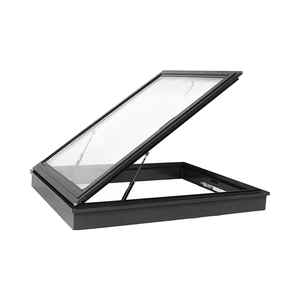
Manual Swing Vented Skylight 600X600mm Double Layer Glass
Thermally isolated 6063-T5 aluminum frame with dual-seal weatherstripping, engineered for attic, basement, and rooftop solar ventilation.
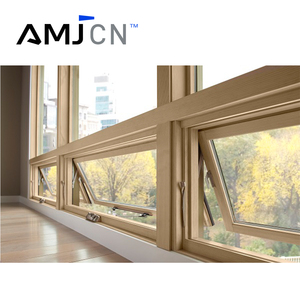
Pitched Aluminium Roof Windows Aluminum Skylight Awning Casement
Heavy-duty awning casement with integrated perimeter water barriers, multi-point locking, and corrosion-resistant powder coating.
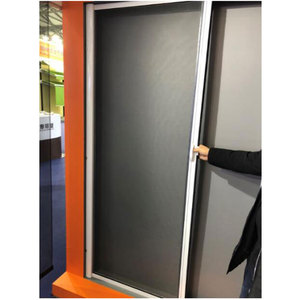
High Performance Retractable Mosquito Roller Screen Door
Precision tension cassette mechanism integrated with micro-woven anti-insect jali mesh, resisting wind deflection and high friction.
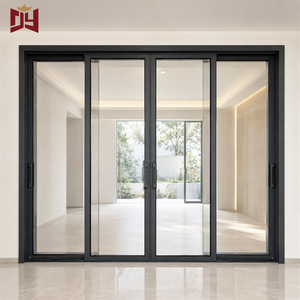
Waterproof Aluminium Sliding Doors For Residential Projects
Custom architectural sliding door systems with sunken drainage sill tracks, accommodating integrated security jali grilles.
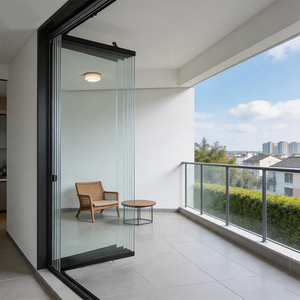
Balcony Sliding Large 10mm Frameless Glass Folding Door
High-load bottom rolling carriage with laminated safety glazing; perfectly pairs with exterior louvered jali shading panels.
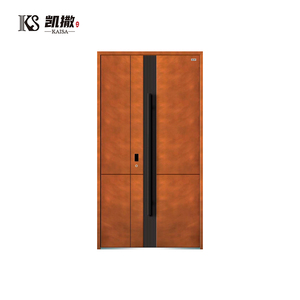
Modern Aluminum Security Front Door with Hidden Hinges
Anti-burglary structural core with decorative geometric jali infills, concealed 3D hinges, and biometric access integration.
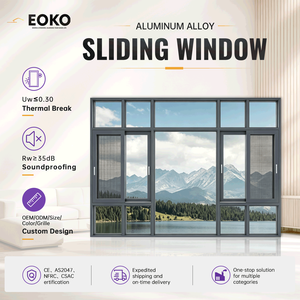
EOKO Aluminium Sliding Windows Double Glazed AS2047 N6
High-acoustic rating window system tested to N6 cyclone-level wind resistance, compatible with fixed or sliding security jalis.
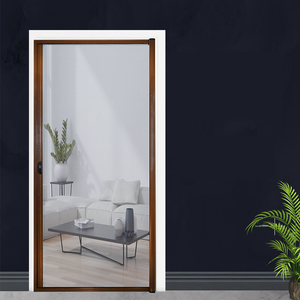
Retractable Insect Sliding Screen Door Roller Fly Screen
Heavy-gauge extruded aluminum frame with UV-stabilized fiberglass/stainless screen weave, ensuring continuous natural airflow.
Structural Architecture & CE Harmonization of Modern Aluminium Jalis
Understanding the mechanical, metallurgical, and solar performance variables that transform ornamental perforated grilles into high-performance façade engineering assets.
In contemporary sustainable architecture, the modern Aluminium Jali for Windows has evolved far beyond its vernacular origins as a decorative privacy screen. Today, global architects, façade consultants, and structural engineers specify precision-machined CE-marked aluminium jalis as critical envelope components. These dynamic fenestration screens address solar heat gain coefficient (SHGC) targets, mitigate turbulent wind loads, prevent thermal bridge bridging, and deliver certified forced-entry protection without sacrificing daylight autonomy.
When sourcing an aluminium jali system for multi-story residential towers, commercial curtain walls, or high-end coastal villas, selecting a verified manufacturing supplier requires rigorous scrutiny of the metal alloy chemistry and fabrication tolerances. At our 180,000 m² Foshan manufacturing base, DERCHI (Guangdong Dejiyoupin Doors and Windows Co., Ltd.) processes premium architectural aluminium billets (principally 6063-T5, 6063-T6, and 5052-H32 for solid plate CNC laser fabrication). The silicon-to-magnesium ratio in our extrusion alloys is tightly controlled between 0.2–0.6% Si and 0.45–0.9% Mg, yielding an ultimate tensile strength exceeding 215 MPa and a yield strength surpassing 170 MPa.
This structural rigor ensures that perforated jali panels installed on external window perimeters resist negative wind pressure deflection (achieving up to AS 2047 N6 rating >4500 Pa) without permanent set or cyclic fatigue. Concurrently, computer-modeled perforation patterns—ranging from biophilic parametric lattices to traditional Islamic geometric frets—undergo finite element analysis (FEA) to verify that cross-sectional web thicknesses withstand localized shear stresses induced by wind vortex shedding and thermal expansion cycles.
Aerodynamic Vortex Dissipation
Exterior-mounted perforated aluminium jalis act as porous boundary layer disruptors. By fragmenting laminar wind gusts into micro-vortices, our engineered open-area ratios (30% to 52%) reduce dynamic surface pressure on the underlying primary window glazing by up to 42%, vastly lowering acoustic whistling and structural frame stress during severe gale conditions.
Solar Control & Daylight Autonomy
By calibrating cut-angle geometry and depth-to-pitch perforation ratios, our window jali panels deflect high-angle summer irradiance while admitting low-angle winter illumination. This passive solar shading capability decreases building cooling loads by 22–35%, substantially optimizing the Building Energy Rating (BER) under EU Energy Performance of Buildings Directives (EPBD).
Qualicoat & Marine-Grade Anodizing
To eliminate galvanic corrosion and filiform degradation in saline or industrial microclimates, our jalis receive either Class 2 Qualicoat fluoropolymer PVDF powder coating (exceeding 2,500 hours salt spray testing) or 25-micron architectural hard-anodized finishes, retaining color fastness, gloss retention, and scratch resistance over a 30+ year design life.
Aluminium Jali Architectural Performance Matrix
Compare mechanical classifications, coating benchmarks, and engineering standards for commercial window jali procurement.
| Jali Configuration Type | Base Alloy & Temper | Standard Thickness | Wind Load Resistance | Acoustic Reduction | Fire Classification | CE Harmonized Standard |
|---|---|---|---|---|---|---|
| CNC Laser Solid Plate Jali | Alloy 5052-H32 / 6061-T6 | 2.5 mm – 5.0 mm | Up to 5,500 Pa (Class E5) | Rw 14 dB – 21 dB | Class A1 Non-combustible | EN 13830 / EN 1090-3 |
| Extruded Modular Louver Jali | Alloy 6063-T5 / 6063-T6 | 1.8 mm – 3.2 mm | Up to 4,500 Pa (AS 2047 N6) | Rw 12 dB – 18 dB | Class A1 Non-combustible | EN 14351-1 / EN 12210 |
| Integrated Security Wire Jali | 6063-T5 + SS316 Woven | Frame 2.0mm / Mesh 0.9mm | Up to 3,600 Pa (Class E4) | Rw 9 dB – 15 dB | Class A2-s1, d0 | EN 1627 (RC2/RC3 Burglary) |
| Bioclimatic Kinetic Sliding Jali | Alloy 6063-T6 + Stainless Axles | 2.0 mm – 4.0 mm | Up to 4,000 Pa (Class C4) | Rw 15 dB – 22 dB | Class A1 Non-combustible | EN 13659 (Shutters & Blinds) |
| Acoustic Micro-Perforated Screen | Alloy 3003-H14 / 5052-H32 | 1.5 mm – 3.0 mm | Up to 3,000 Pa (Class C3) | Rw 22 dB – 28 dB (w/ Core) | Class A2-s1, d0 | EN ISO 10140-2 / EN 13830 |
Global Procurement & Technological Trends (2025–2030)
How structural decarbonization, algorithmic generative fabrication, and smart envelope automation are redefining global supply chain requirements for aluminium window jalis.
Low-Carbon Circular Aluminium
Stricter EU Carbon Border Adjustment Mechanism (CBAM) regulations make recycled low-carbon billet sourcing mandatory. Top engineering suppliers now provide audited Environmental Product Declarations (EPDs), utilizing hydro-smelted aluminum with embodied carbon <4.0 kg CO2e/kg.
BIM & Parametric Fabrication
Direct-to-CNC parametric workflows eliminate translation errors. Architectural design firms export Revit BIM Level 300/400 models directly into 5-axis fiber laser cutting arrays, enabling individualized non-repeating jali geometries without retooling lead times.
Motorized Smart Building Integration
Fixed grilles are increasingly augmented by motorized kinetic jalis. Synchronized with internal Building Management Systems (BMS) via KNX or BACnet, motorized folding jalis autonomously adjust blade angles to track solar azimuth angles and wind turbulence.
Multi-Hazard Resilience
Modern specifications require dual hurricane and projectile impact ratings (ASTM E1886/E1996) alongside mandatory non-combustibility. The shift from combustible composite materials to 100% monolithic aluminium jalis ensures zero fire hazard in high-density mid- and high-rise facades.
Direct Factory Power: Foshan Integrated Manufacturing Base
Guangdong Dejiyoupin Doors and Windows Co., Ltd. (DERCHI) combines over 25 years of engineering mastery with an expansive 180,000 m² modern manufacturing infrastructure.
Full In-House Engineering & CAD/BIM
From your preliminary architectural drawings or door schedules, our dedicated engineering team prepares comprehensive shop drawings, structural wind-load calculations, structural anchor details, and 3D mockups—preventing expensive site misalignment and fabrication delays.
AS 2047, CE, ISO 9001 & UL Audited
Recognized as one of China's Top 10 premium door and window brands, DERCHI implements uncompromising multi-stage quality checkpoints. Every batch is traced from extrusion analysis, CNC milling tolerances, and coating adhesion tests to pre-shipment dry assembly verification.
Seamless Global Export Logistics
Exporting extensively to Australia, New Zealand, Europe, North America, and the Pacific Islands. All aluminium jali crates utilize customized ISPM-15 compliant fumigated timber packaging with high-density pearl cotton wrapping and edge protectors, ensuring pristine arrival via FCL or LCL freight.
Frequently Asked Technical & Commercial Questions
In-depth technical answers addressing regulatory compliance, engineering tolerances, corrosion mitigation, and international logistics for aluminium window jali projects.