Global buyers are entering 2026 with more Aluminum Window choices than ever. Sliding, casement, tilt-and-turn, awning, fixed, and thermally broken systems now serve different climates and building needs. This guide examines their practical strengths, limitations, and suitable applications.
Tom Culp, a respected fenestration consultant and building-performance specialist, has stated, “Window performance must be measured, not assumed.” That principle remains essential. A slim frame may look attractive, yet poor thermal breaks can create cold interior surfaces. A large sliding panel may offer impressive views, but its rollers require careful sizing and maintenance.
Fit matters. Climate matters more.
The following overview considers thermal insulation, air leakage, water resistance, ventilation, security, fabrication quality, and installation conditions. It also compares aluminum grades, coating durability, glass configurations, hardware, and customization potential. Buyers should review tested performance data rather than trust attractive catalog images. Local weather exposure, salt air, wind pressure, opening size, and cleaning access can change the best choice.
Some recommendations will remain imperfect. Product quality varies between manufacturers, even when designs look similar. Installation can also weaken an excellent system. That reality deserves honest attention.
This 2026 guide helps architects, distributors, contractors, and homeowners compare Aluminum Window types with clearer expectations. The goal is not to promote one universal solution. It is to identify the right balance between appearance, durability, energy performance, budget, and long-term service.
Aluminum Window Basics: Materials, Profiles, and Core Components
2026 Top Aluminum Window Types for Global Buyers
Aluminum windows begin with the alloy, profile design, and glass system. Many projects use extruded 6063 aluminum for stable shapes and clean surfaces. Temper selection affects strength, machinability, and dimensional performance. It should match the project’s exposure and structural needs.
Profiles may be hollow, multi-chambered, or thermally broken. A thermal break separates indoor and outdoor aluminum with an insulating polyamide strip. This reduces heat transfer and limits interior condensation. However, thermal performance depends on glass, spacers, seals, and installation quality. The frame alone cannot solve every energy problem.
Key components include sashes, glazing beads, gaskets, rollers, hinges, handles, drainage paths, and fasteners. EPDM or comparable seals help control air and water movement. Low-friction hardware supports smoother daily operation. Small details matter. Poor drainage can damage finishes and surrounding walls over time.
Surface treatment usually includes anodizing or powder coating. Buyers should check coating thickness, color consistency, adhesion, and local environmental requirements. Performance documents should identify air leakage, water resistance, wind pressure, and thermal values. Standards differ by market, so copied specifications can mislead. A perfect window specification is rare. I have seen attractive profiles fail because installers ignored tolerances, drainage, or glass weight. Supplier drawings deserve careful review.
Main Aluminum Window Types for Global Building Projects
Aluminum windows remain practical for global building projects because they combine slim profiles, structural strength, and low maintenance. In project reviews, the window type usually affects comfort more than the frame finish. Climate, wall design, ventilation needs, and cleaning access should guide the selection.
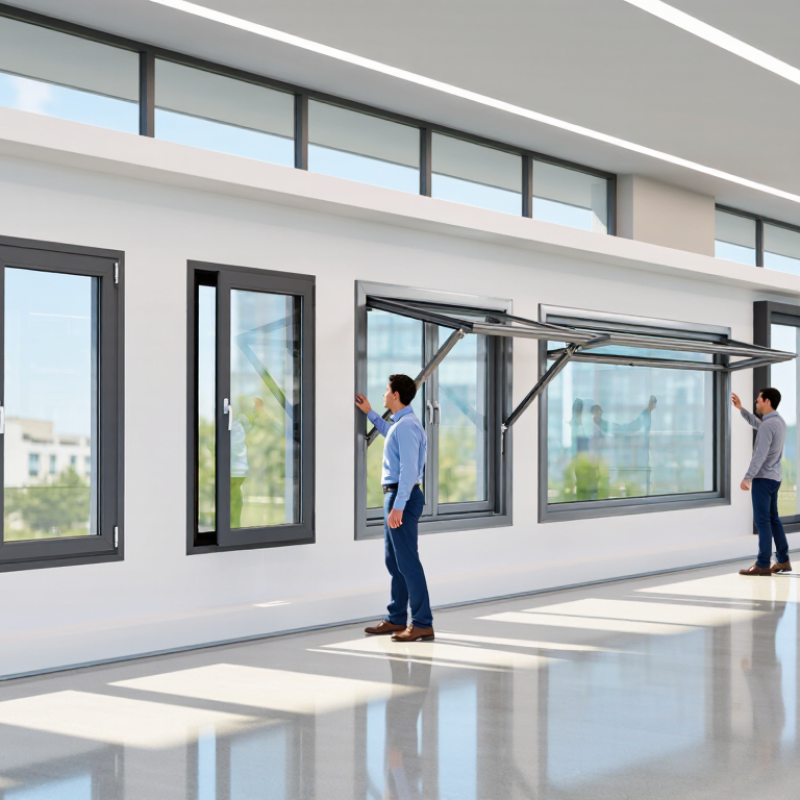
Casement windows open outward with hinges and provide strong natural ventilation. They suit bedrooms, offices, and moderate climates, but exposed sites need reliable restrictors and weather seals. Sliding windows save interior space and work well on balconies or compact rooms. However, their overlap joints may offer less airtightness than hinged systems. Awning windows, hinged at the top, help protect interiors during light rain. They are useful in humid regions, though drainage details still require careful checking.
Tilt-and-turn windows offer two opening positions, supporting secure ventilation and easier cleaning from inside. They can be valuable in high-rise projects, but their hardware needs accurate installation and regular adjustment. Fixed aluminum windows provide clear views and improved airtightness, yet they cannot replace operable units where fresh air is required. Folding systems create wide openings for hospitality spaces, but tracks must remain clean and level.
Small details matter. Check thermal breaks, glass thickness, drainage paths, and wind-load calculations before approval. Local building codes may change the acceptable configuration. I have seen attractive layouts fail because opening limits were ignored. No single type fits every market. A balanced specification should include verified performance data, qualified installers, and a maintenance plan that building owners can realistically follow.
Choosing Glass, Thermal Breaks, and Energy Performance Features
2026 Top Aluminum Window Types for Global Buyers
Choosing Glass, Thermal Breaks, and Energy Performance Features
Glass selection should match the local climate, not only the purchase price. Low-emissivity coatings reduce heat transfer through the pane. Double glazing suits many temperate regions, while triple glazing can help in colder climates. However, heavier glass may require stronger frames and hardware. Glass matters.
Solar heat gain also deserves careful attention. A low solar-gain option can reduce indoor overheating in sunny regions. In colder areas, moderate solar gain may support passive heating. Window orientation changes the result. South- or west-facing windows often need different specifications than shaded elevations. A qualified supplier should provide U-value and solar heat gain data for the complete window, not glass alone.
Aluminum frames need an effective thermal break between interior and exterior sections. Poorly designed breaks can create cold edges, condensation, and uncomfortable indoor surfaces. Insulated spacers, tight gaskets, and accurate installation improve real-world performance. Air leakage testing is valuable, especially for tall windows exposed to strong wind. Ask for test reports based on recognized regional standards. Specifications can look impressive on paper.
I have found that installers sometimes overlook the junction between the frame and wall. Even excellent glazing performs poorly with careless sealing. Buyers should review drainage paths, frame depth, and expected maintenance before ordering. Energy labels also require context, because climate zones and calculation methods differ. The best choice is not always the most advanced one.
Comparing Window Designs by Climate, Function, and Building Style
2026 Top Aluminum Window Types for Global Buyers
Comparing Window Designs by Climate, Function, and Building Style
Aluminum windows perform differently across climates, despite their shared metal frame. In hot regions, thermally broken frames reduce heat transfer between outdoor and indoor surfaces. Low-emissivity glazing can limit solar gain, especially on west-facing walls. However, glass selection matters as much as the frame. A strong frame cannot correct poor glazing choices.
In humid coastal areas, buyers should examine drainage paths, surface finishes, and corrosion resistance. Casement windows often provide tighter ventilation control than basic sliding designs. They can direct breezes into living spaces. Yet, exposed hinges and seals need regular inspection. Salt air is unforgiving. In cold climates, insulated frames and multi-layer glazing help reduce interior condensation. Installation quality remains critical, since small gaps can create drafts.
Building style also influences the best window type. Slim fixed windows suit modern facades and bring steady daylight into stairwells. Large sliding units support wide openings, but their tracks may collect dust and water. Awning windows work well in compact rooms because they ventilate during light rain. Traditional homes may benefit from divided-light designs, although these can reduce clear views and increase cleaning time. There is no universal winner. Some recommendations still depend on orientation, maintenance habits, and local weather data. Buyers should request tested performance values, installation details, and realistic service expectations before choosing.
2026 Top Aluminum Window Types for Global Buyers
Comparing window designs by climate, function, and building style
The comparative fit index is based on the inherent design characteristics of common aluminum window types. Casement and tilt-and-turn windows generally provide stronger compression sealing, while sliding and louvered designs prioritize convenient ventilation and operation. Fixed windows maximize daylight and weather resistance but do not provide natural ventilation. Final performance depends on frame thermal breaks, glazing, gaskets, installation quality, local weather exposure, and building codes.
Global Standards, Installation Factors, and Buyer Evaluation Criteria
2026 Top Aluminum Window Types for Global Buyers
Global buyers should compare aluminum window types through local performance demands, not appearance alone. Sliding, casement, awning, and tilt-and-turn designs suit different ventilation and weather conditions. Check tested air leakage, water penetration, structural wind resistance, and safety glazing requirements for the target market. Standards differ between regions, so a certificate from one country may not satisfy another authority.
Installation quality often decides real performance. Confirm wall opening dimensions before production, including tolerance for adjustment. Use suitable thermal breaks, corrosion-resistant fasteners, sill flashing, and controlled drainage paths. Coastal projects need stronger corrosion protection. High-rise projects require verified wind-load calculations. A low U-value can still disappoint if the frame is poorly sealed. On-site reviews frequently reveal this gap between laboratory results and daily performance.
Tips: Ask for complete test reports, section drawings, hardware details, and installation instructions. Compare U-value, solar heat gain, glass thickness, drainage design, and maintenance needs. Request a sample corner joint when possible. It exposes weak seals quickly. Do not judge quality from frame weight alone. That shortcut is tempting, but incomplete. A cheaper system may require more adjustment, replacement parts, or skilled labor. Check local installer experience, warranty conditions, spare-part availability, and inspection procedures before approving the order.
FAQS
Many windows use extruded 6063 aluminum for stable shapes and smooth surfaces. Temper selection affects strength and machining. It should match exposure and structural demands. Details matter.
A thermal break separates indoor and outdoor aluminum with an insulating polyamide strip. It reduces heat transfer and interior condensation. The frame cannot solve every energy problem.
Review sashes, glazing beads, gaskets, rollers, hinges, handles, fasteners, and drainage paths. Poor drainage may stain finishes or damage nearby walls. Small parts matter.
Match the glass to climate, orientation, and building use. Double glazing suits many temperate areas. Triple glazing may help colder regions. Heavier glass needs stronger hardware.
Low-emissivity coatings reduce heat transfer through the pane. Low solar-gain glass can limit overheating on sunny walls. Colder areas may benefit from moderate solar gain. Direction matters.
Thermally broken frames help in hot regions. Insulated frames and layered glazing support cold climates. Coastal projects need strong drainage, durable finishes, and corrosion resistance. Salt air is unforgiving.
Casement windows often provide tighter ventilation control and can direct breezes indoors. Sliding windows support wide openings but collect dust and water in tracks. Neither design wins everywhere.
Request complete-window U-values, solar heat gain data, air leakage results, water resistance, and wind-pressure tests. Check local standards carefully. Copied specifications can mislead.
Gaps between the frame and wall can create drafts and condensation. Accurate sealing, drainage, and frame tolerances influence real performance. An excellent window may still fail. I would review the junction twice.
Conclusion
This guide explains the essential features of an Aluminum Window, from alloy materials and profile shapes to frames, sashes, hardware, seals, and drainage systems. It introduces the main types used in global building projects, including sliding, casement, awning, tilt-and-turn, folding, fixed, and curtain-style window systems. Buyers will also learn how glass selection, double or triple glazing, low-emissivity coatings, gas-filled cavities, and thermal-break technology influence insulation, comfort, durability, and energy performance.
The article also compares window designs according to climate, ventilation needs, building function, maintenance expectations, and architectural style. It highlights the importance of checking applicable international or regional standards, wind and water resistance, structural performance, corrosion protection, installation methods, and compatibility with local construction practices. By evaluating profile quality, glass specifications, thermal efficiency, safety features, customization options, lead times, and after-sales support, global buyers can select window solutions that offer reliable performance and long-term value.